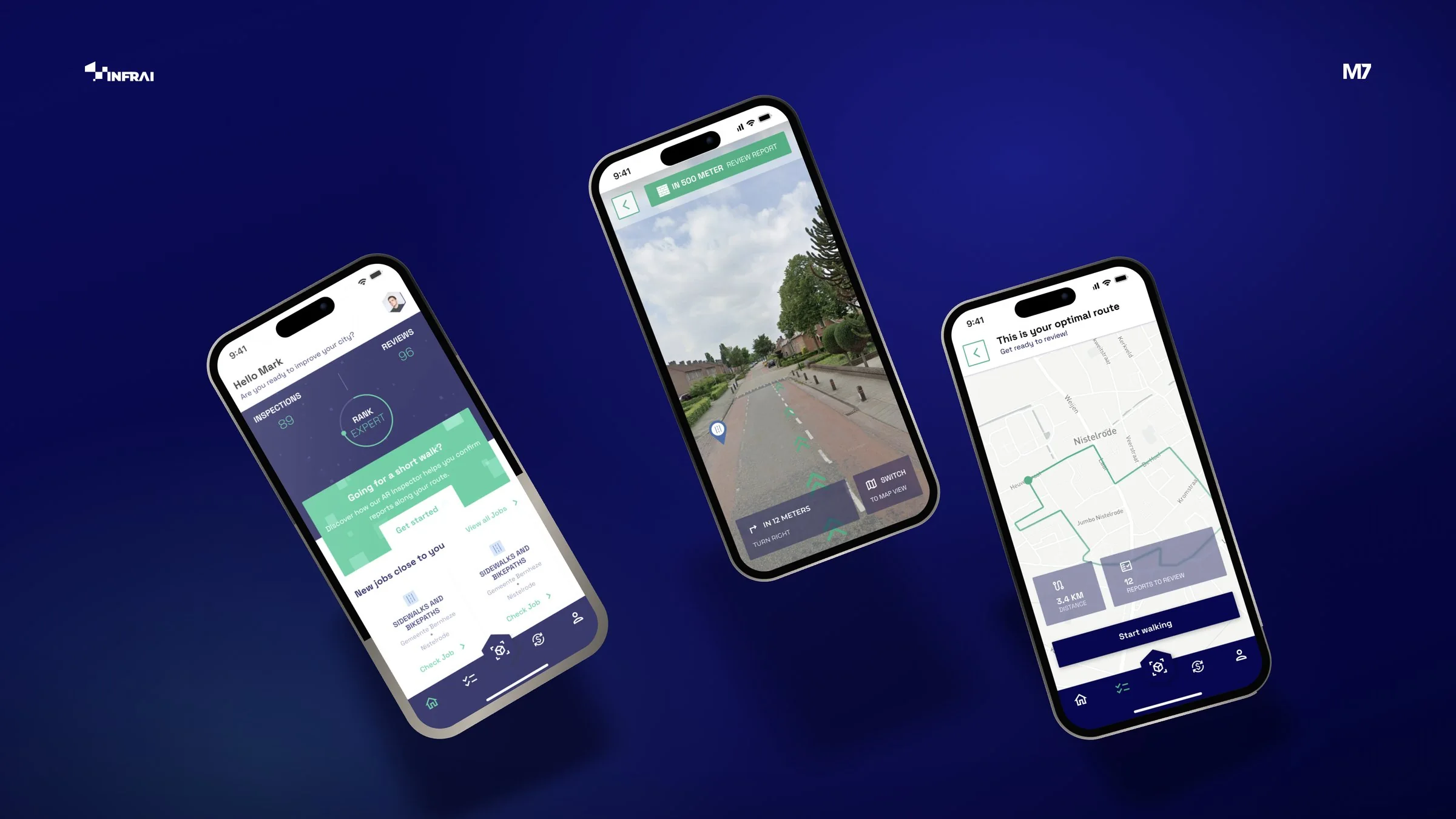








From first MVP to scalable SaaS platform: we help tech companies and startups with a brand, product and marketing that are ready for growth.






















Greattechdeservesabrandthatexplainsitself.
As a tech company or startup you have to move fast. Your product has to work, your brand has to earn the trust of customers and investors, and your marketing has to deliver leads before the budget runs out. M7 is your partner for all of it: from naming and brand strategy to UX/UI design, MVP development and a website that explains your product clearly.
We work with SaaS companies, cyber security firms and developers of online inspection apps, among others. Because strategy, design and development sit at one table with us, we build products that look great and are technically sound. And with funnels, LinkedIn campaigns and AI integrations we help you grow, without your team having to grow at the same pace.
Challenges in this sector
What we often see.
Fast time to market
Time is your scarcest resource. With a focused MVP project you validate your idea quickly with real users, on a foundation that can scale later.
Complex product, simple story
Technical products are hard to explain. We translate your solution into a clear brand, a convincing website and a pitch deck that sticks.
Building trust
Especially in security and B2B software, customers choose on reliability. A professional brand and well-considered UX make you come across as mature and trustworthy.
Scalable lead generation
Growth calls for a predictable flow of leads. With sales funnels, LinkedIn Ads, SEO and marketing automation we build a system that grows with you.
Projects
Work we're proud of
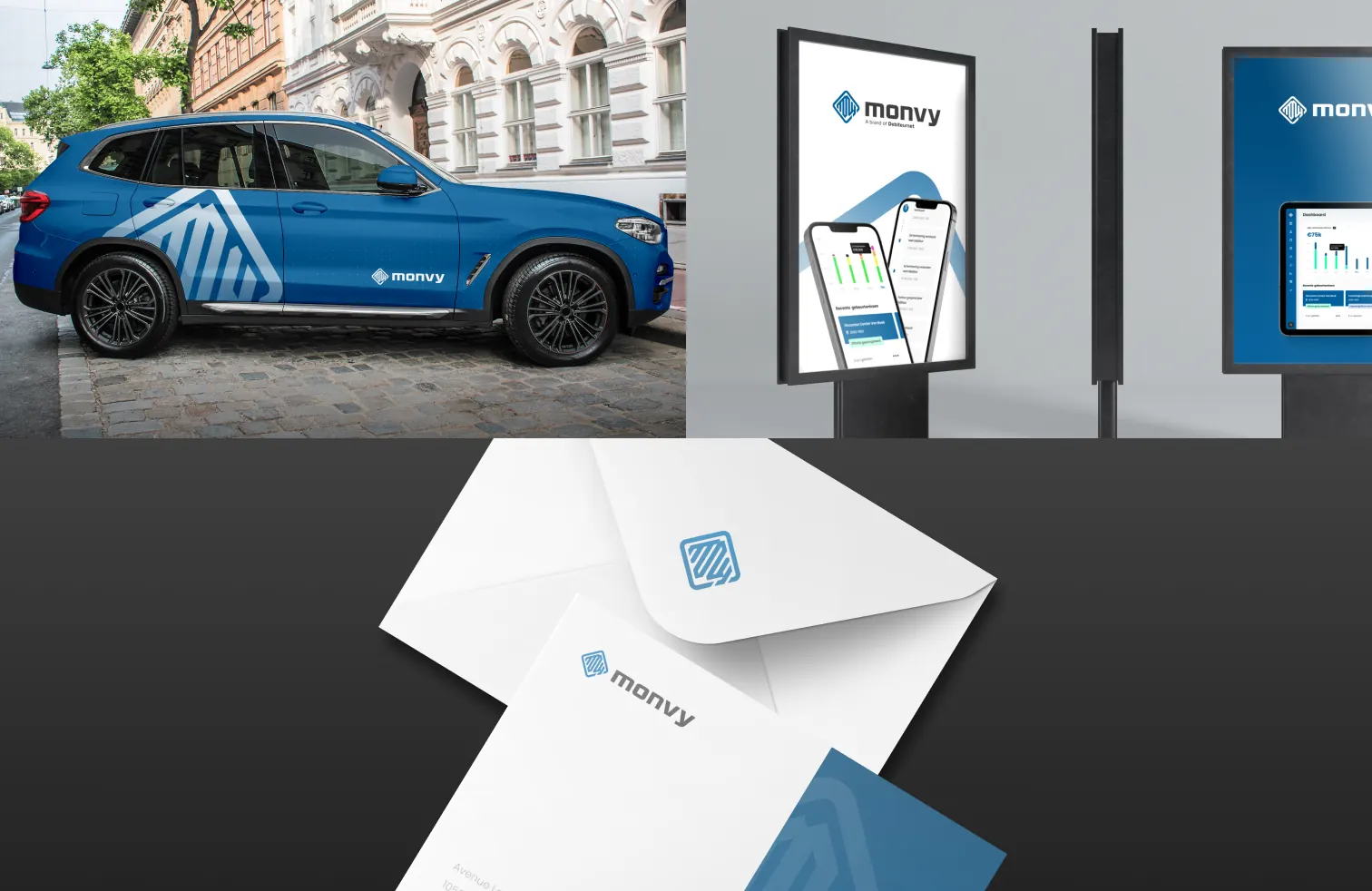 Monvy: from brandbook to an invoicing and debt management platform
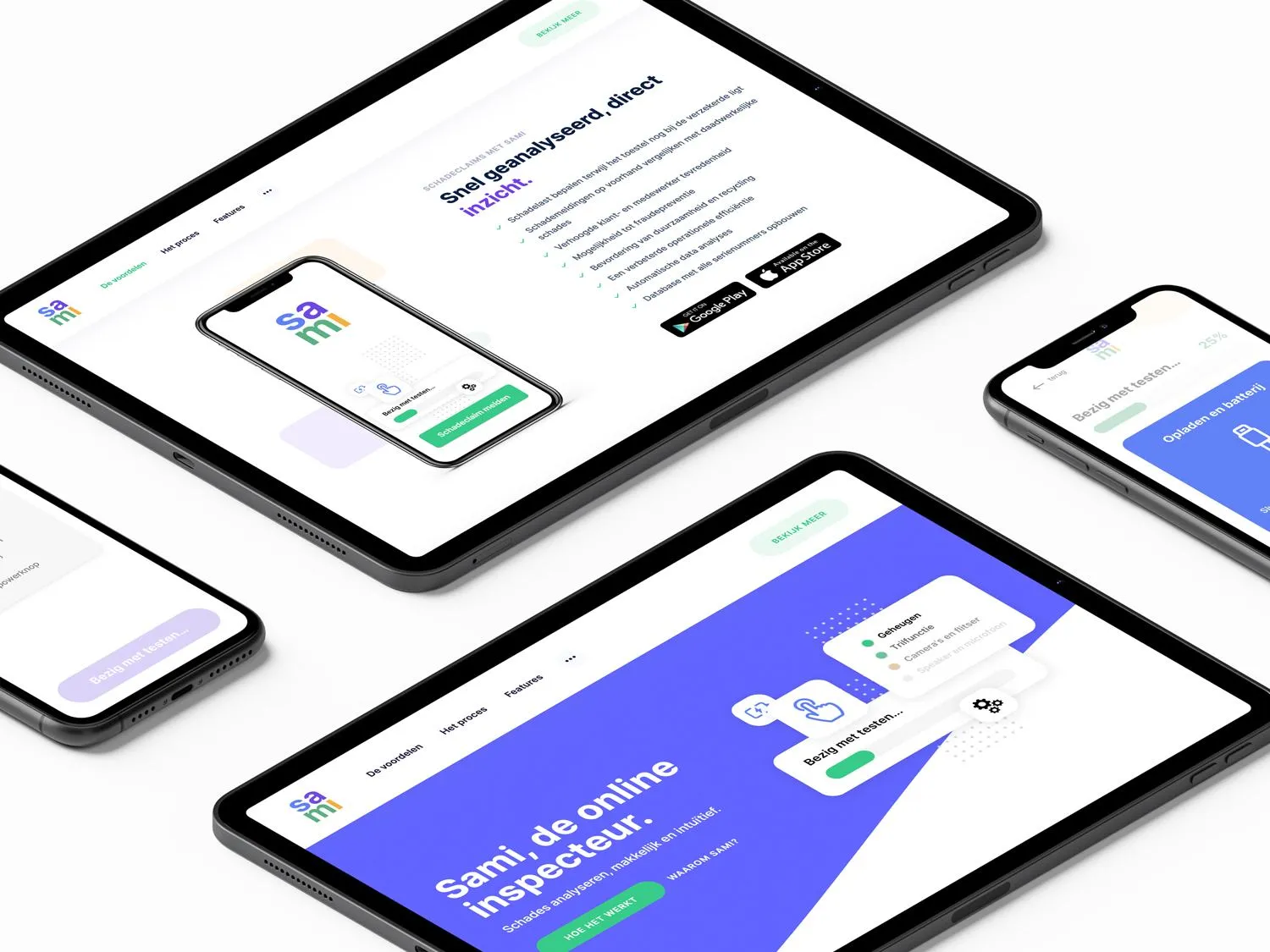
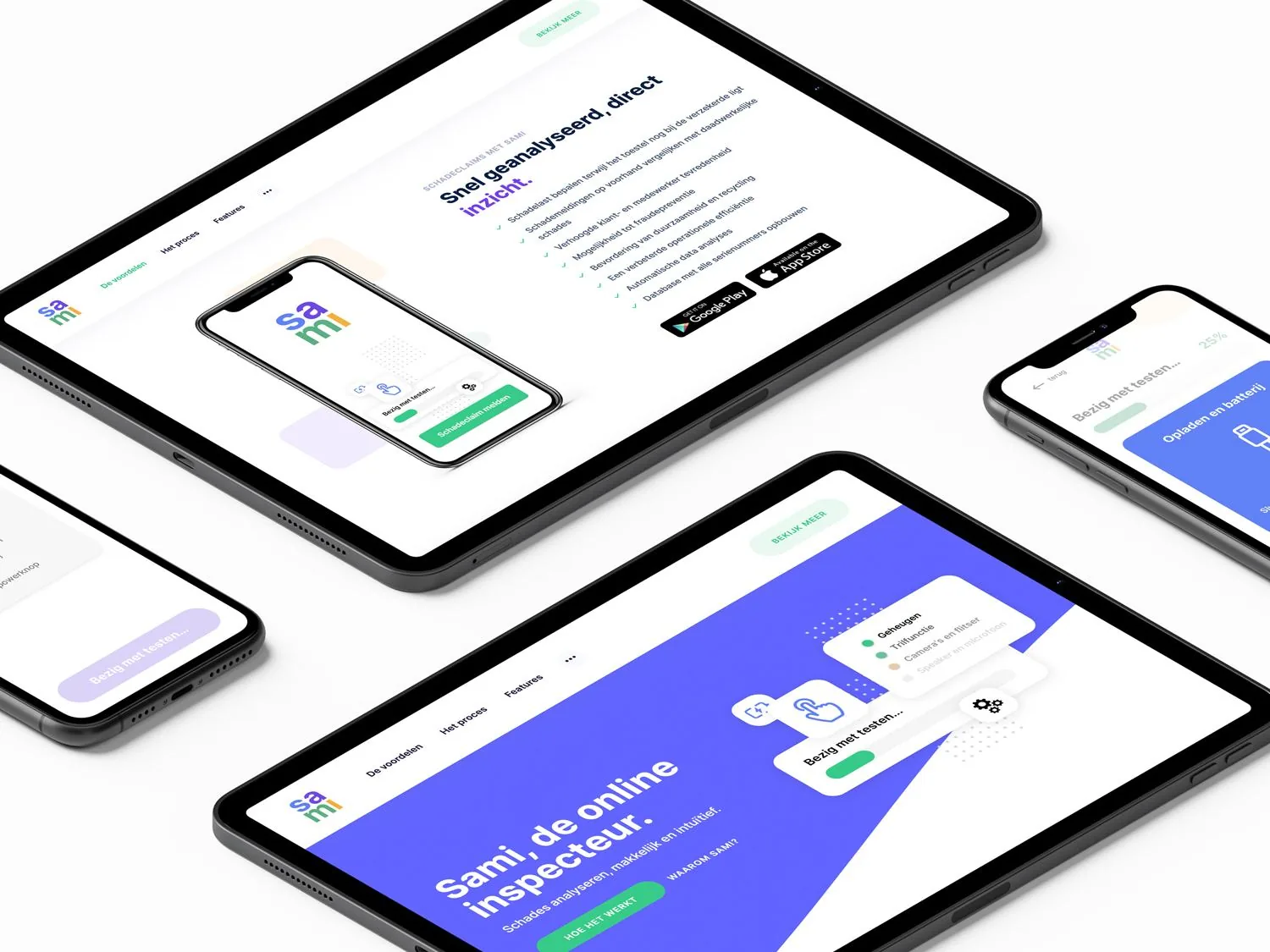 Sami, the online inspector
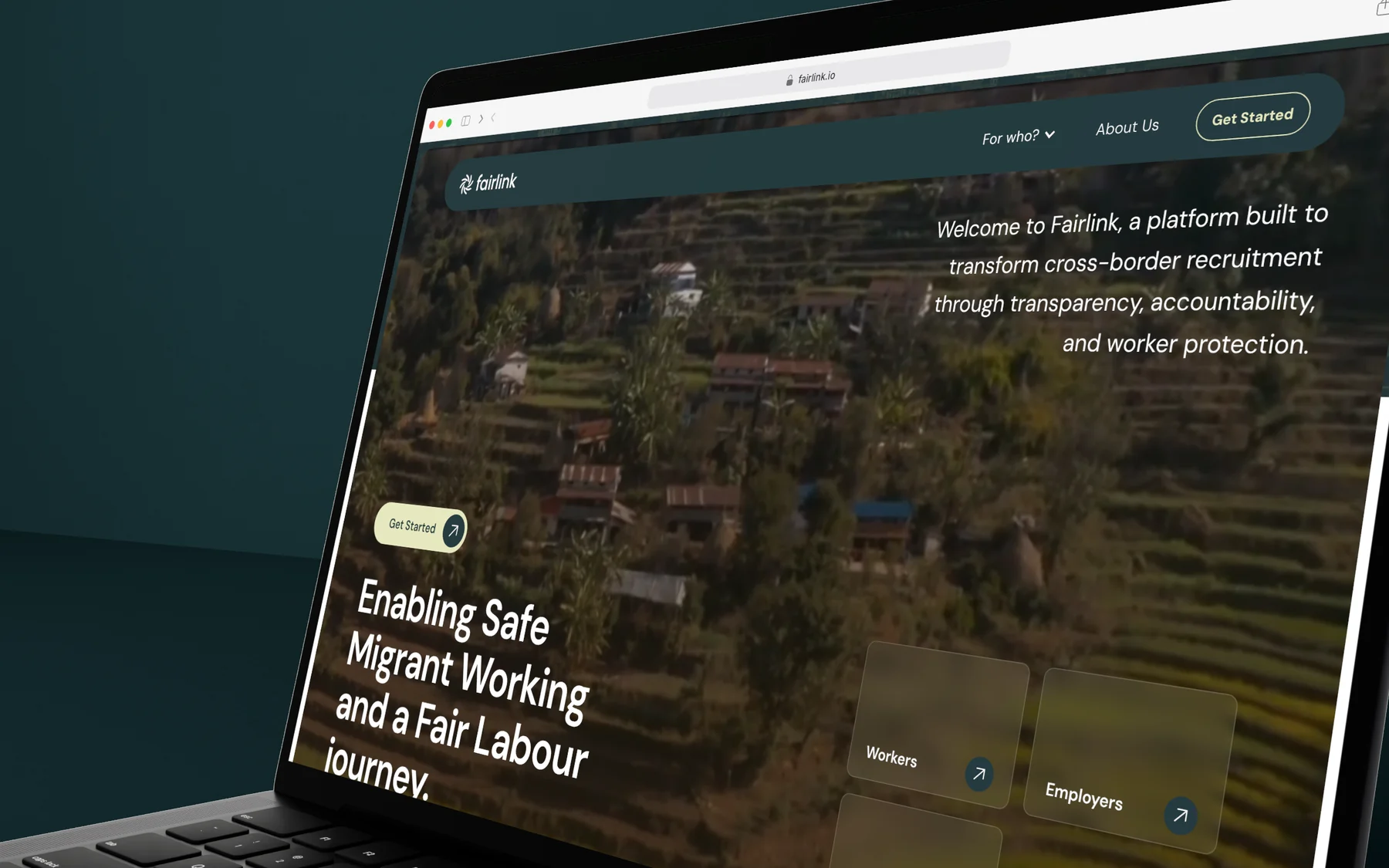 Fairlink: a clear brand for fair labour migration
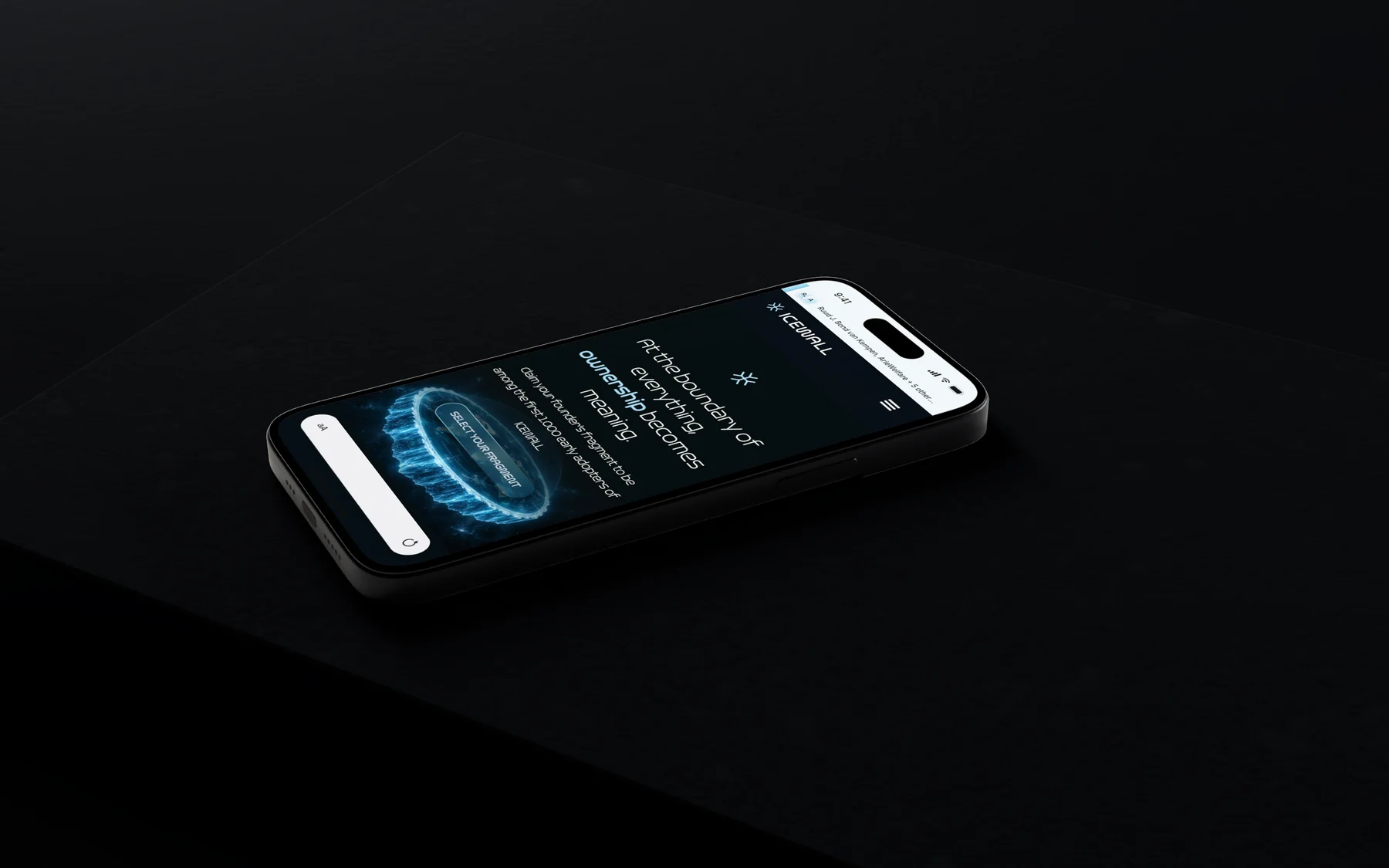 Icewall: concept first, then the rest
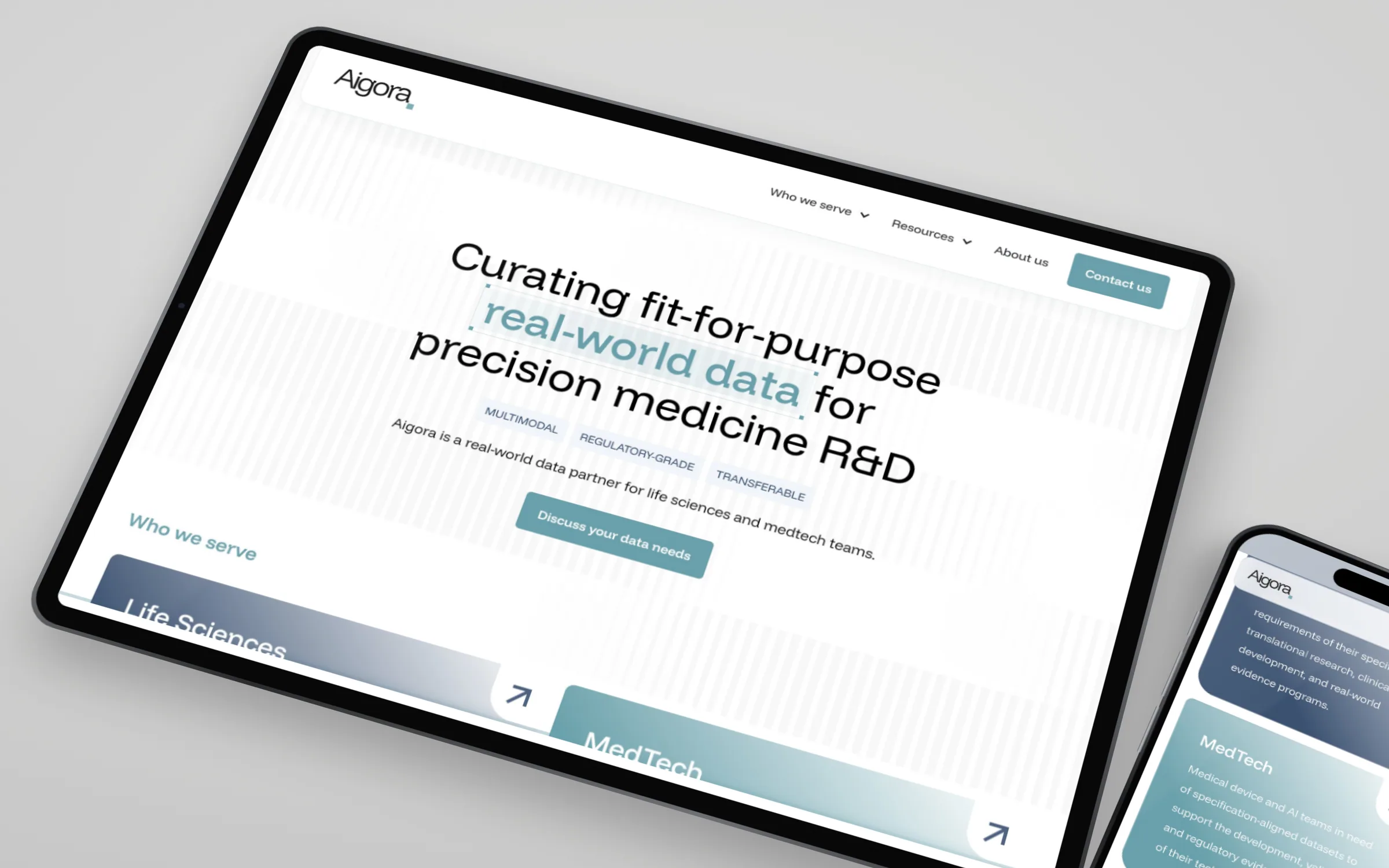 Aigora: brand, brandbook and website
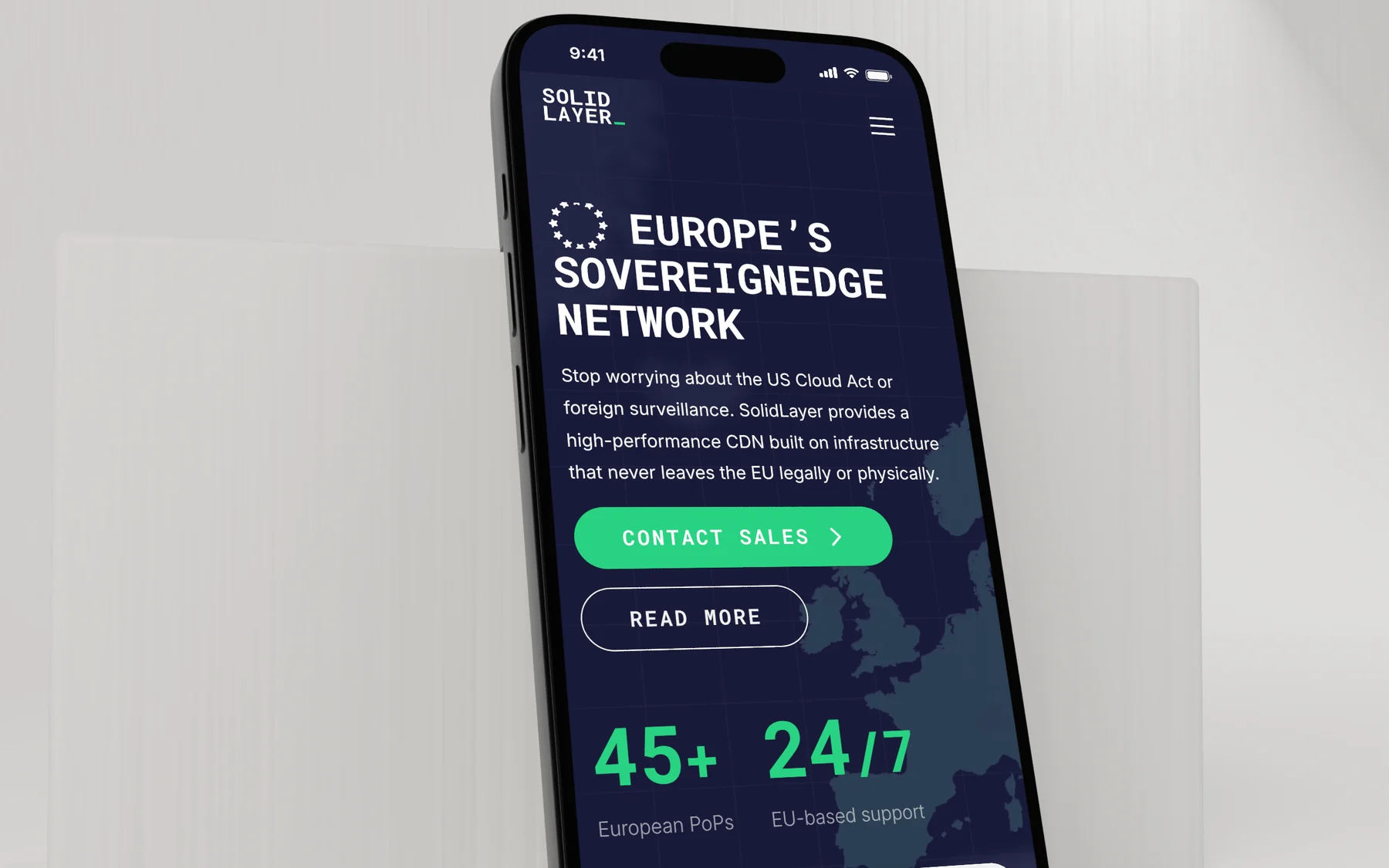 SolidLayer: a solid foundation
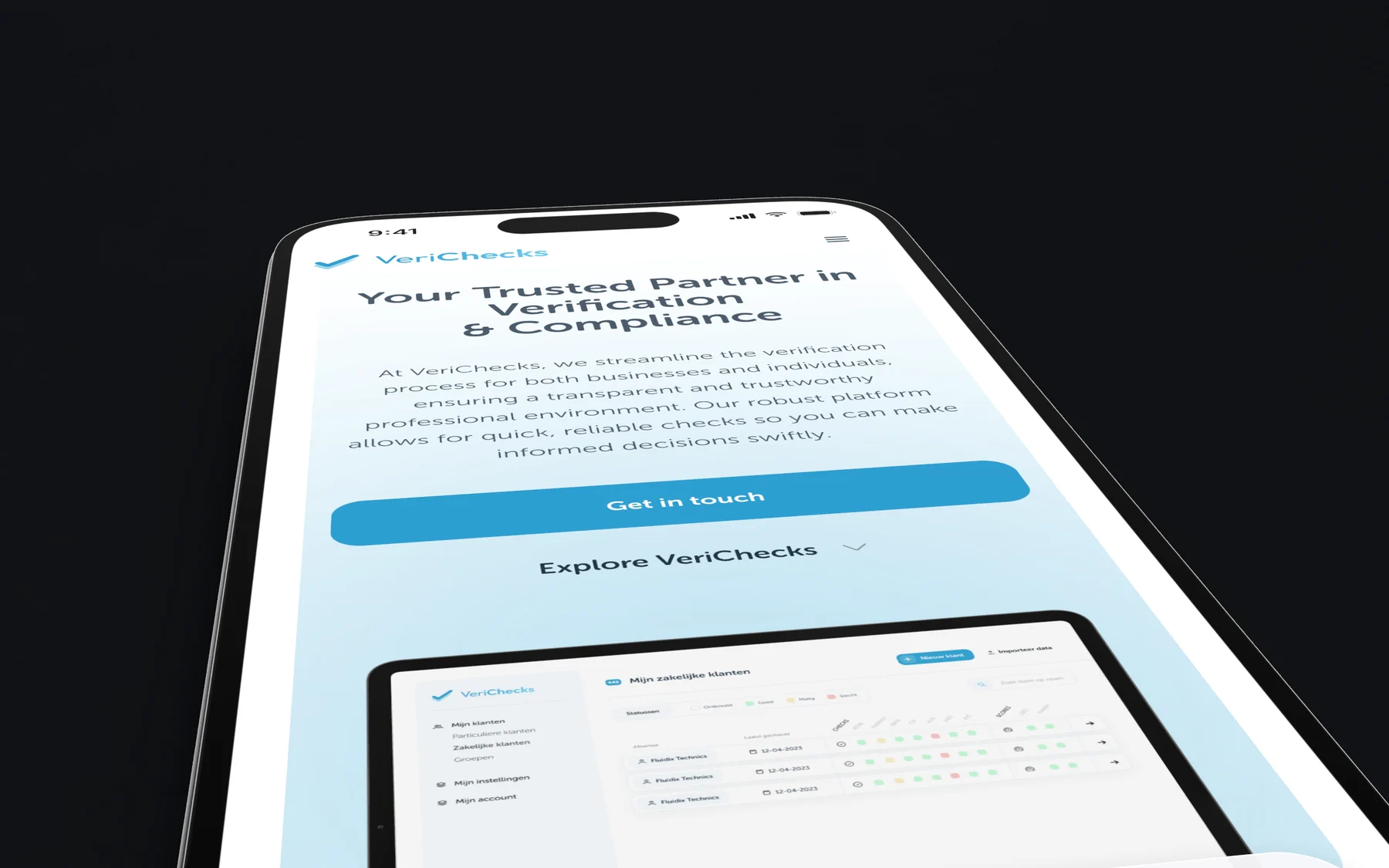 VeriChecks: check first, then do business
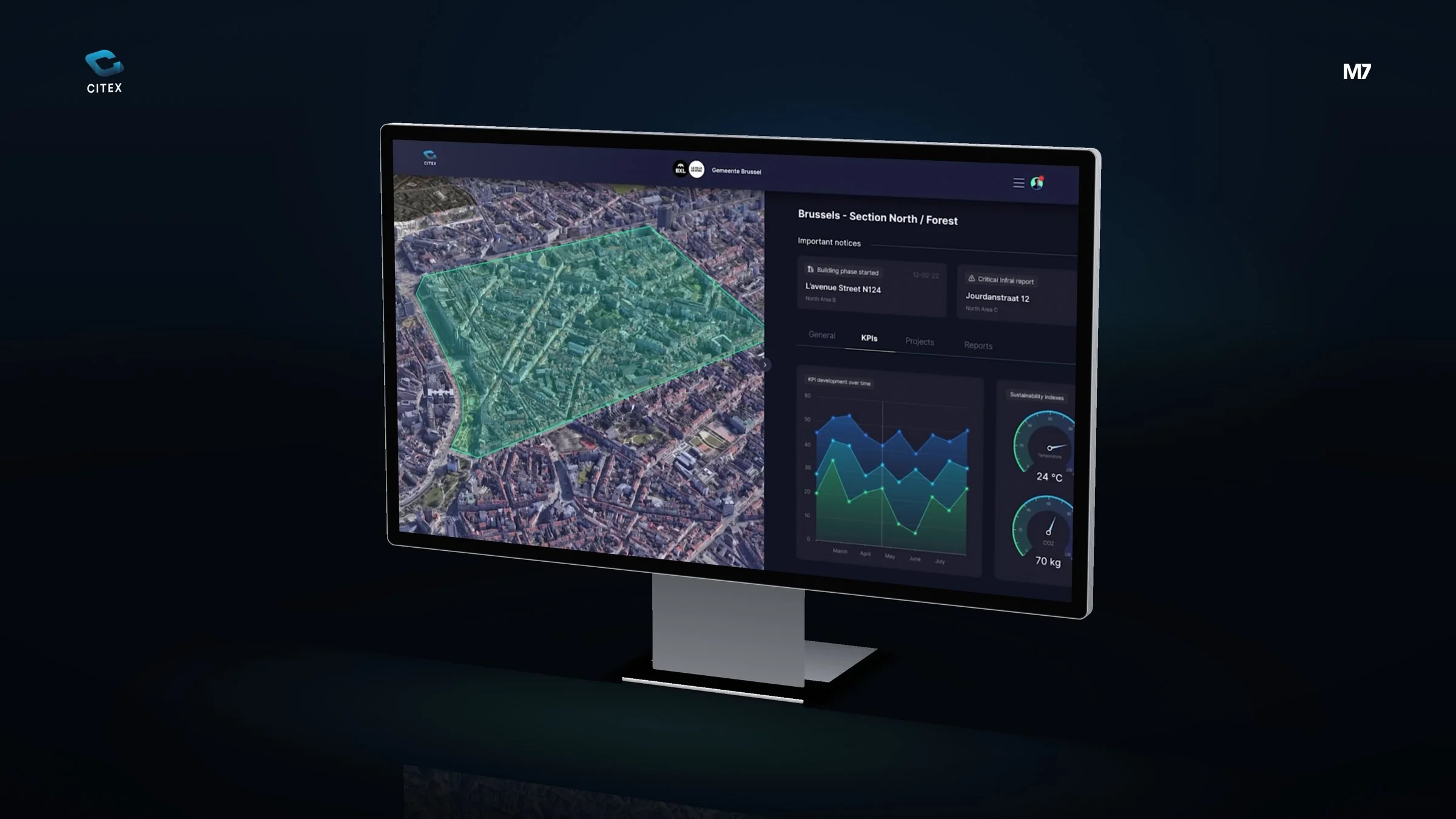 Citex AI: a city's area data in one dashboard
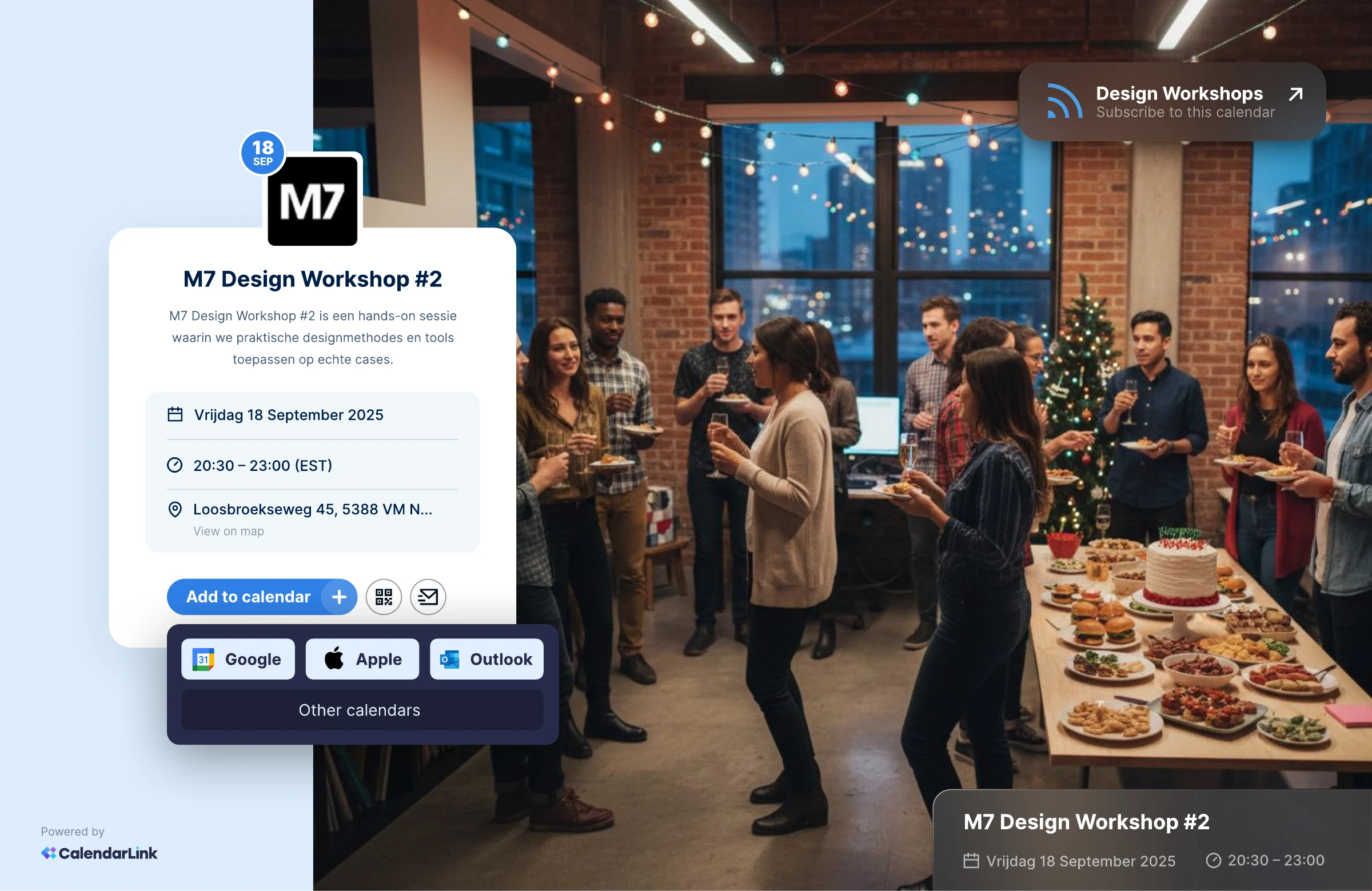 CalendarLink: UX/UI design of the app
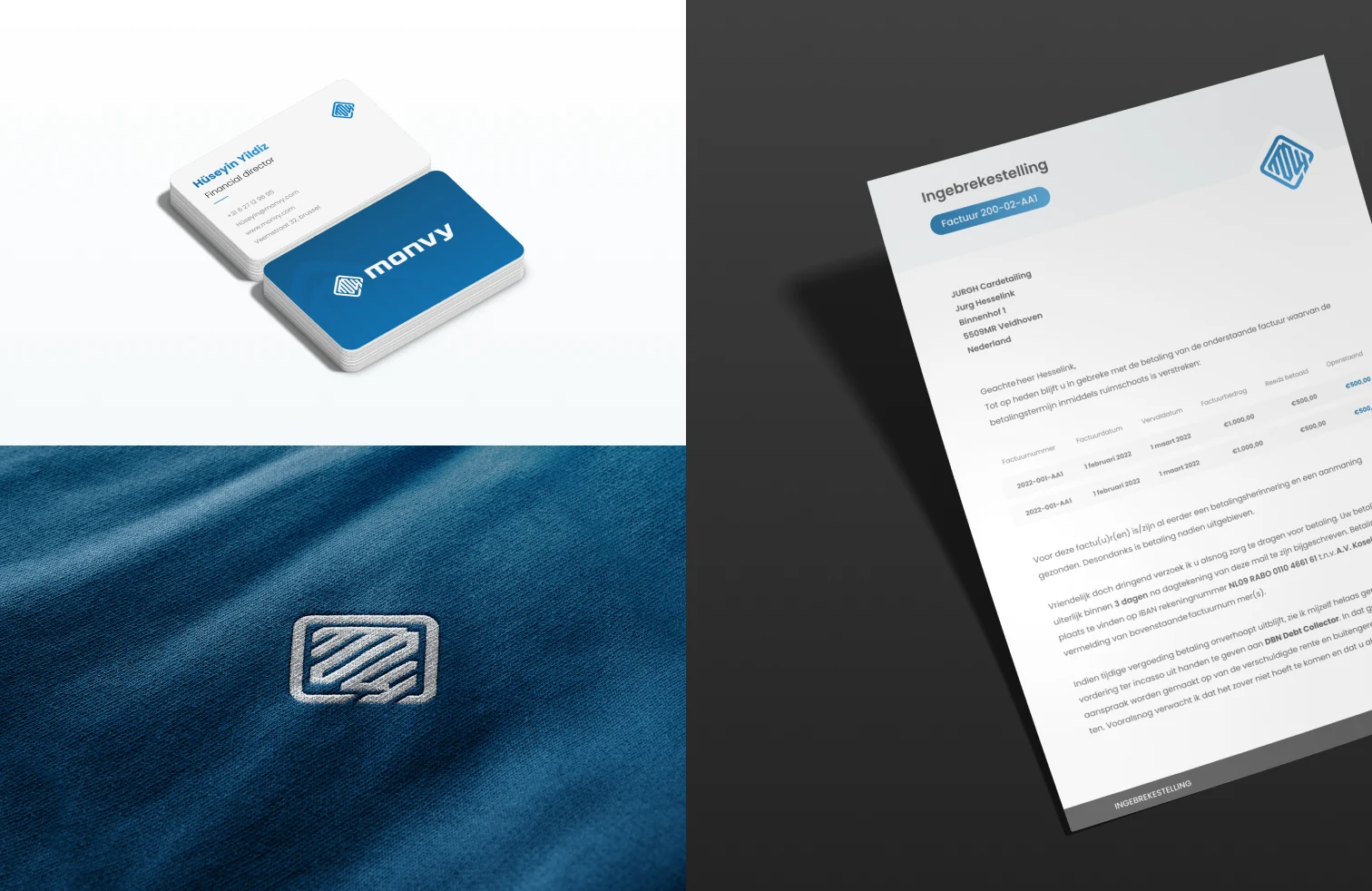 Monvy: the brand behind the platform
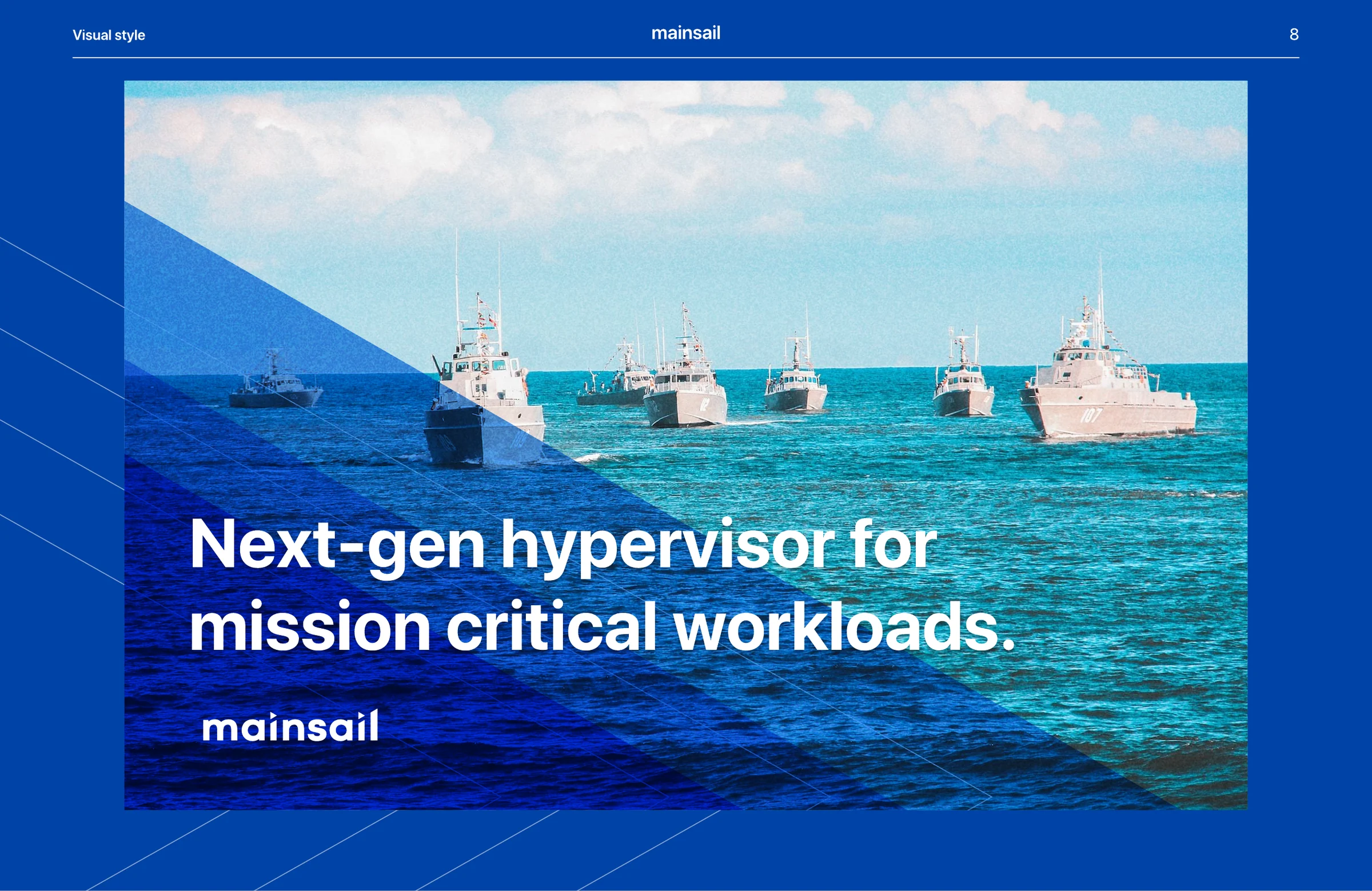 Mainsail: a brand for Metalvisor
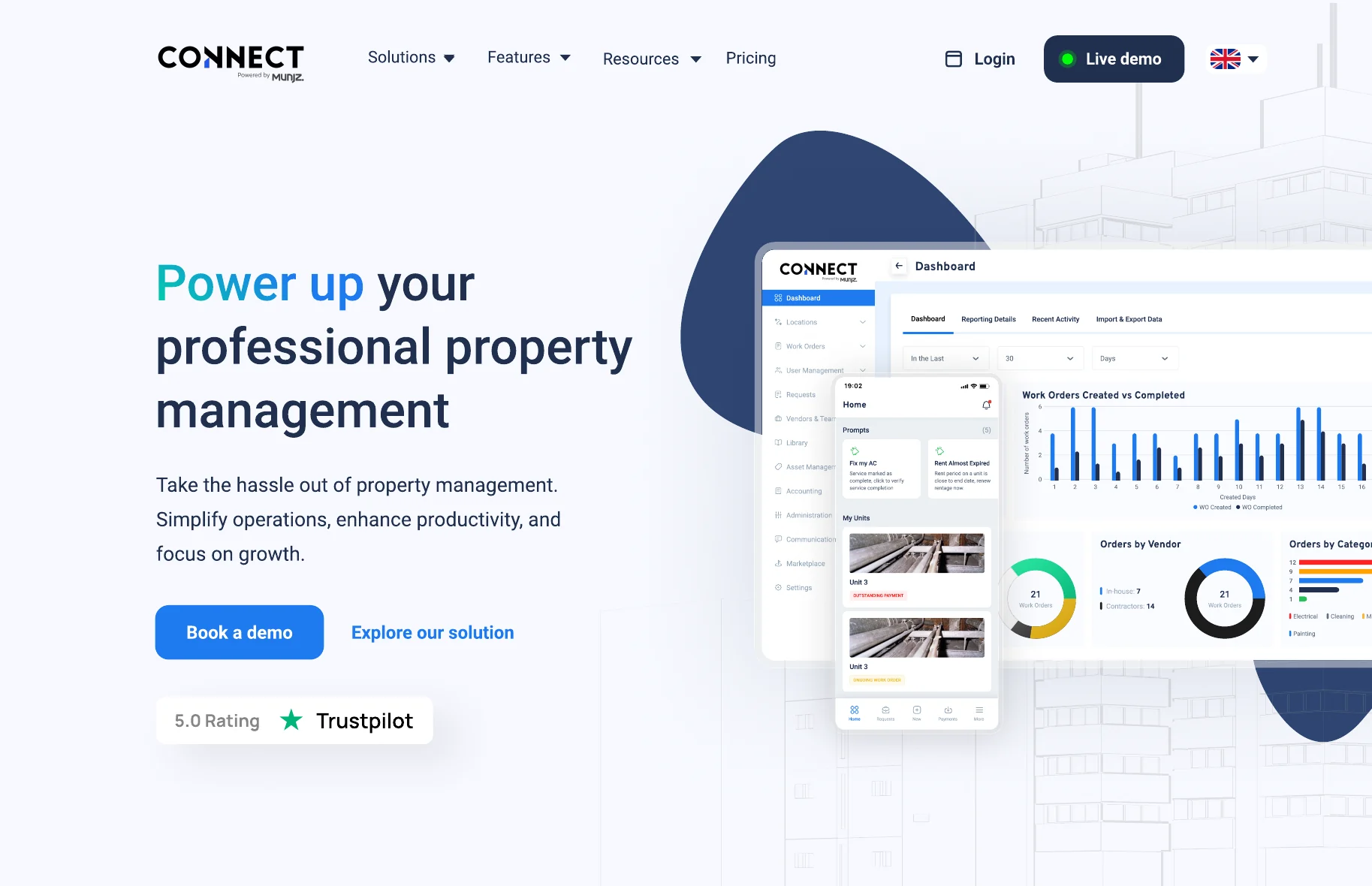 Munjz Connect: platform direction, roadmap and design for facility management
 Privacy Nexus: website for privacy management
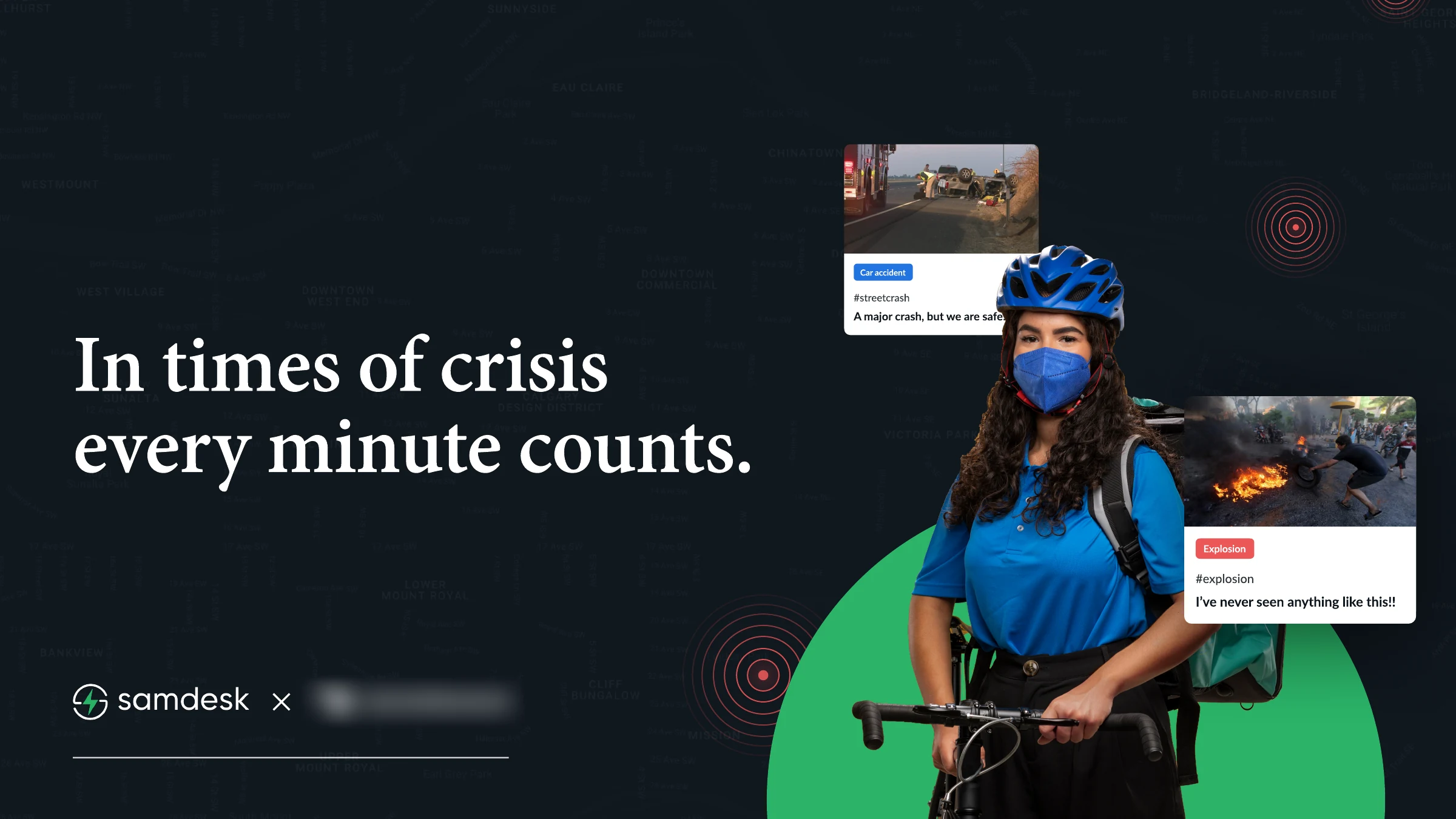 Samdesk: a pitch deck where every minute counts
 ThingsIX: branding and website for a growing network
 Velorum: trusted security, independent by design
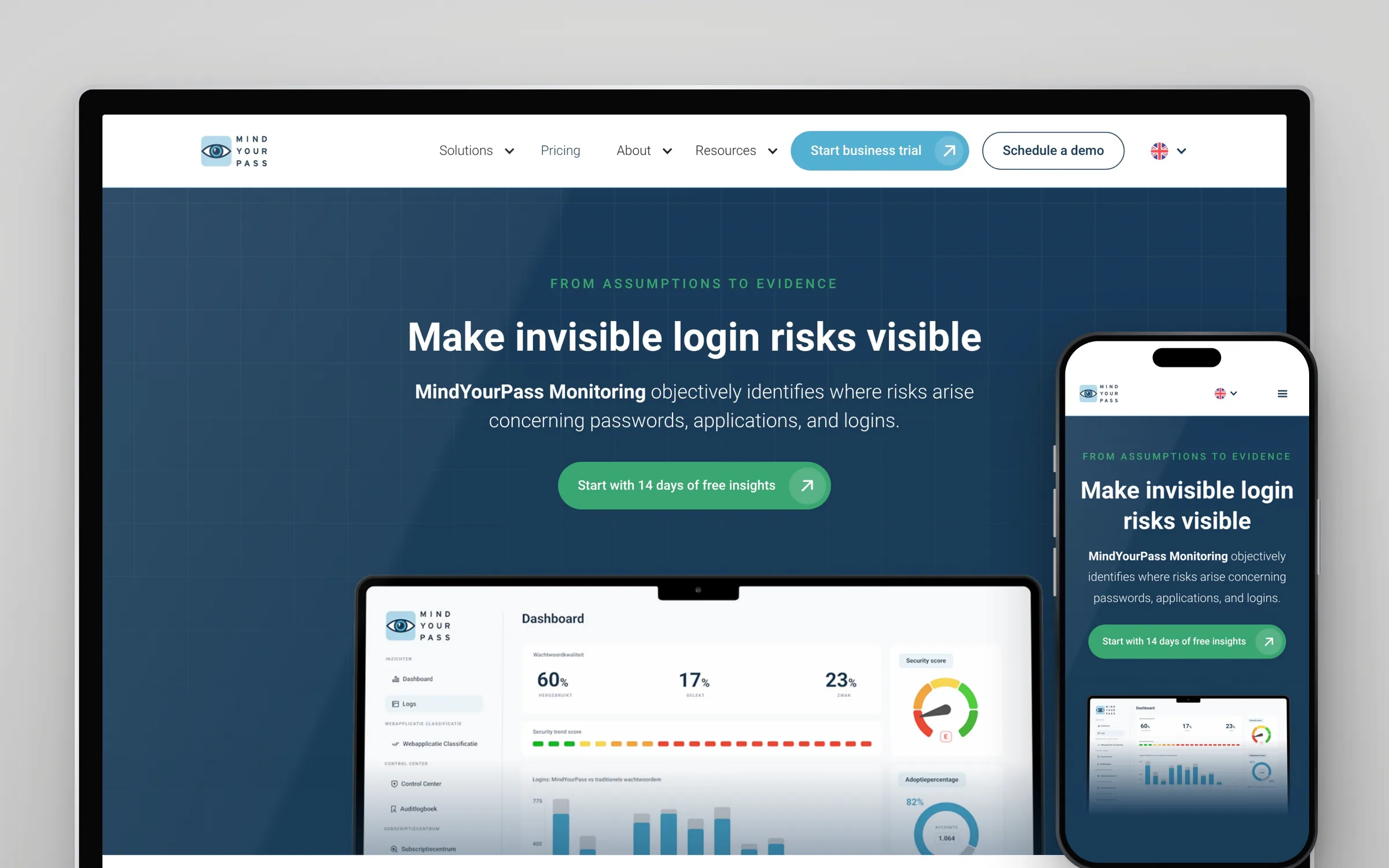 On-the-fly passwords: the new wave in cyber security
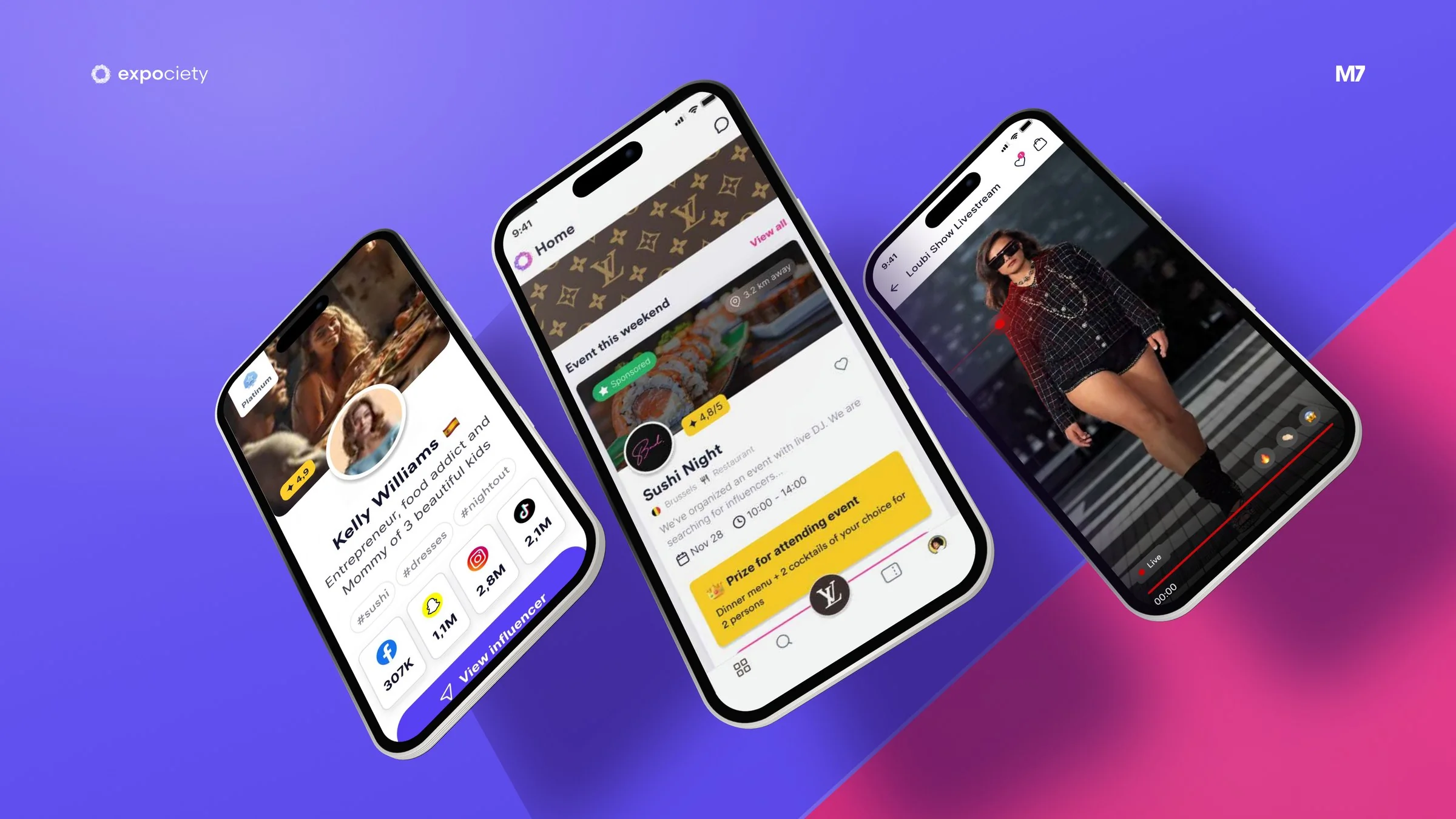 Expociety: the app that connects influencers and venues
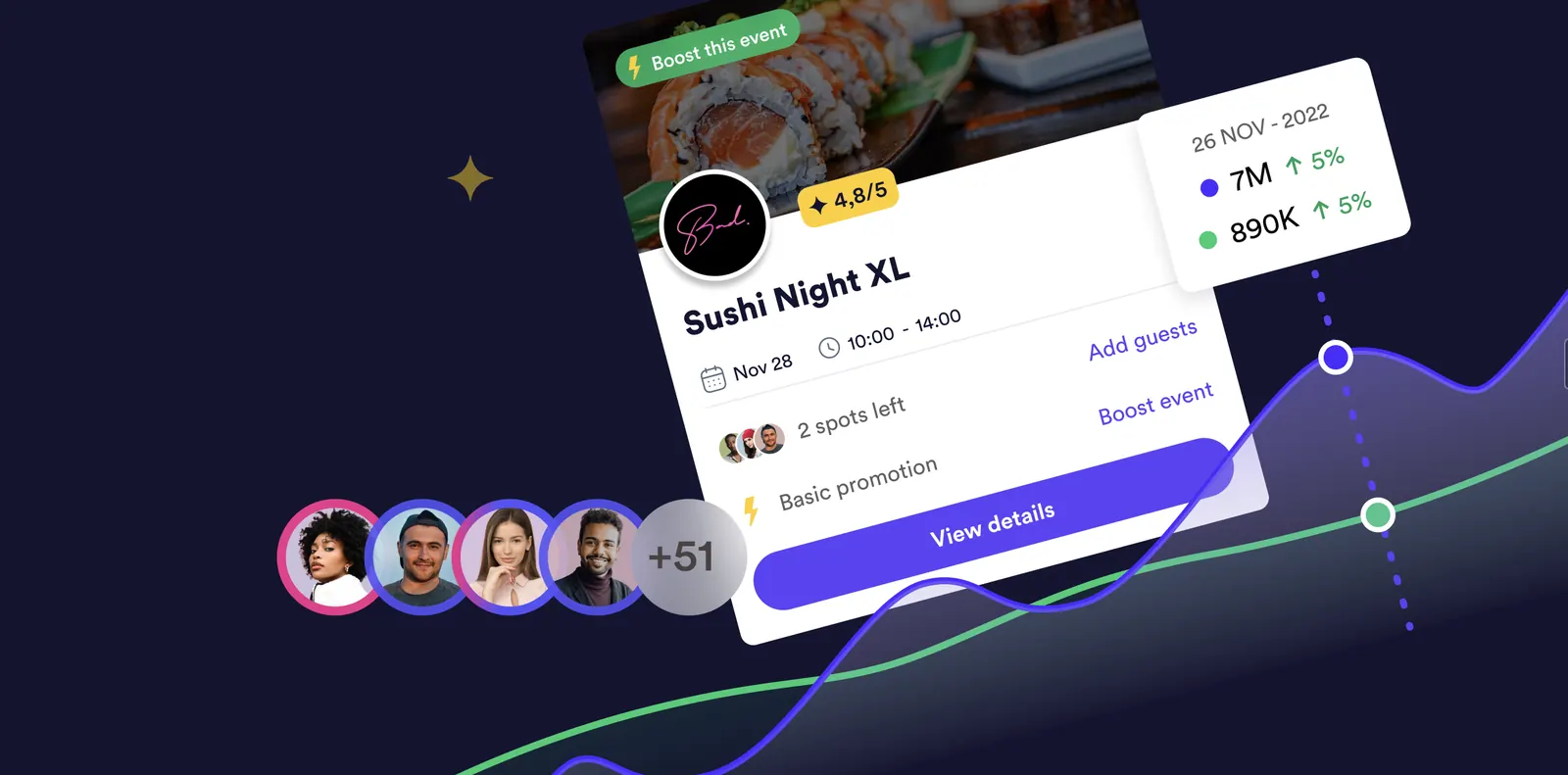 Expociety: a brand that builds the hype
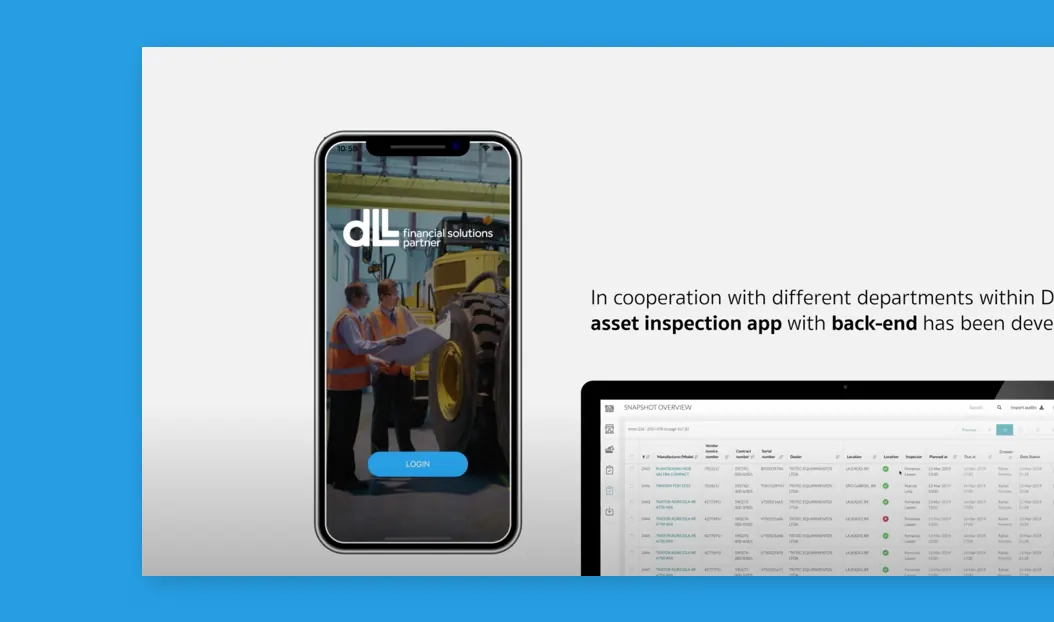 A high-tech inspection app, explained with animation
Relevant services
How we help
Popular applications
Frequently asked questions
Frequently asked
Can you build an MVP for my startup?
Yes. We help you sharpen the core of your product, design the UX/UI and build a working MVP with modern technology such as Next.js and Supabase, which can later grow into a full platform.
Why a Webflow website for a SaaS company?
With Webflow your marketing team manages pages, blogs and landing pages itself, without needing developers. As a Webflow Professional Partner we build fast, SEO-friendly sites that grow with your product.
Do you also help with a pitch deck for investors?
Definitely. We design pitch decks that present your story clearly and with visual impact, in line with your brand and product.
Do you work with startups on a limited budget?
Yes. We help you phase the work: first what is needed to launch and validate, then expand. That way you invest step by step.
Can you integrate AI into our product?
Yes. We integrate AI features through the APIs of OpenAI, Claude or Gemini, for example for smart search, summaries or an assistant inside your platform.
For SaaS companies, B2B software vendors and scale-ups, and the founders, marketers and product teams working on more demos, trials and paying customers. Everything for saaS companies
How do you build a SaaS website that generates demo requests?
By making clear in the first few seconds who your product is for and which problem it solves, in your customer's language rather than your developers'. Then pages per use case or audience, an honest pricing page, proof such as customer stories and integrations, and one clear next step. With conversion optimisation we test headlines, forms and the route to a demo. Small improvements to that route often deliver more than extra traffic.
How does a SaaS company get found in Google and in AI search?
Software buyers increasingly ask ChatGPT, Perplexity or Gemini their questions before they make a shortlist. Those tools draw their answers from content that is clear, specific and trustworthy. Think comparison pages, pages per integration, documentation and honest explanations of what your product does and does not do. With GEO and classic SEO we make sure that content exists and is technically sound, with structured data. That way you show up when someone is researching their options.
How do you turn more trials into paying customers?
By helping users reach the moment they understand why your product is good, quickly, during the trial. An onboarding series that responds to what someone has or has not done in your product works far better than the same five emails for everyone. If someone gets stuck, they get a tip or sales gets a nudge. With marketing automation we connect product usage to your email and CRM. That way you help more trials over the line without sales calling every single one.
Can you refresh our product UI without turning everything upside down?
Yes, and it is often the wiser choice. Existing users do not like a product they suddenly no longer recognise. We start with a design system: colours, typography and components that work the same everywhere. Then we tackle screen by screen, starting where users get stuck. For Sami we designed both the website and the product interface, so brand and product feel like one whole. With UX/UI design it gets better step by step, without a big shock.
When does a rebrand make sense for a SaaS company?
When your brand no longer fits what your product has become. That often happens after a few years: you started as a tool for one niche and are now a platform for larger customers, or you are expanding abroad and your name does not work in English. A rebrand starts with your positioning, not a new logo. We look at what recognition you need to keep, and make sure website, product and sales material move along in one go.
Does LinkedIn advertising work for B2B software?
Often, yes, because you can target very precisely by job title, industry and company size. Clicks are more expensive than on many other channels, though, so the content has to land. We work in layers: first an explanation or useful guide for a broad group, then a demo or trial for those who showed interest. With LinkedIn Ads and solid tracking you see which campaigns actually build pipeline, not just likes.
How do you add AI to your SaaS product without the hype?
Start with a task your users currently spend time on, not with the technology. Summarising, classifying, searching documents or drafting a first version of a text are often good candidates. Then we look at your data, the cost per use and the agreements you have with customers on privacy and storage. With AI integrations we build it in small steps, so you measure whether it is actually used before going further.
For early-stage startups and founders, from idea and pre-seed to first customers, who want to enter the market professionally on a limited budget. Everything for startups
How do you choose a good name for your startup?
A good name is short, easy to pronounce, fits your story and is still available. That last part is often disappointing: domain name, social handles and the trademark register. We start with your positioning, make a long list, cut ruthlessly and test the favourites on feel and availability. The final trademark check is best done by a specialist. For Monvy we created the name and the brand from scratch. With naming you get a name that still fits when your product looks very different in a few years.
What is the minimum you need to launch as a startup?
Less than you think. A logo and a basic identity you use consistently, a website that explains in one scroll what you do and for whom, a way to measure interest, such as a waiting list or demo button, and tracking so you know what works. A thick brand book or twenty pages of content can wait. We create a logo and a compact launch kit that is right for now and can grow later. Better to launch with something good than wait for something perfect.
How do you test an idea before you start building?
With as little code as possible. A clickable prototype in Figma lets you test whether people understand what you mean, before a single line is written. A landing page with a waiting list and a small ad campaign shows whether there is real demand. Five conversations with potential customers often teach you more than a month of building. After that you know what belongs in the first version, and above all what does not need to be in it yet.
How do you keep branding and a website affordable as a startup?
By working in phases. First a logo and a basic identity, plus a compact website you can adjust yourself while your proposition is still shifting. Extensive brand books, extra pages and custom work come later, once you know what works. The exact cost depends on your wishes; the configurator at letsgo.m7branding.com gives you an early indication.
How does a startup measure whether its marketing works?
Pick a few numbers that matter now, and measure them properly. Think of waiting list sign-ups, demo requests, activation after the first week and the cost per new customer. With clean tracking and a simple dashboard you see what each channel delivers. Better five numbers you check every week than fifty nobody looks at.
Should a startup already be working with AI?
Yes, but practically. With a small team, AI is often the fastest way to get more done: support questions, first drafts of content, research and help with code. Start with a few concrete tasks and agree what can and cannot go into AI tools, especially when customer data is involved. With a short AI roadmap you know where to start and what it delivers.
What should go into an investor pitch deck?
The problem, your solution, who it is for, how big the market is, how you make money, what you have already achieved, your team and what you are asking for. No more is needed, in ten to fifteen slides. Investors often look at it for only a few minutes, so every slide has to make one thing clear. We design the pitch deck in your own style and so you can adapt it yourself for each meeting.
For IT service providers, managed service providers, cyber security firms, hosting companies and system integrators who want to sell technical expertise in plain language. Everything for IT & cyber security
How do you explain cyber security without scaring or boring people?
With a tone that reassures rather than threatens, and everyday examples instead of acronyms. People want to know what could happen, what it means for them and what they can do. With Monvy we made digital security understandable and accessible for a broad audience, from the name to the website. With a clear tone of voice your whole team knows how to talk about security, whether it is a sales pitch, a blog or a notification in your product.
How does an IT company or MSP generate more B2B leads?
By giving something useful first. A short security quick scan or IT check that shows a business owner where their risks lie in a few minutes produces warmer leads than 'get in touch'. Around it, content that answers real questions from IT decision-makers, and LinkedIn campaigns targeted by job title, industry and company size. Every lead lands in your CRM with their answers attached, so your account manager starts the conversation informed instead of with a standard pitch.
What does a website look like that earns the trust of IT decision-makers?
Calm, concrete and free of buzzwords. IT managers and directors want to see quickly what you do, for which kinds of companies, how you work and what happens when things go wrong. Show certifications and partnerships you actually hold, describe your services in clear packages and let customers do the talking. A fast, secure site helps too, because an IT company with a slow website is like a locksmith with a sticking front door. We take care of that with solid web design.
How do you write about NIS2 and compliance without overwhelming your customer?
Start with the question the business owner has: does this apply to me, and what do I need to do now? A short explanation in plain language, a checklist and a clear next step work better than a twenty-page legal summary. With SEO content we make sure those articles get found when someone searches for them. Point to the official sources for the legal details, so you remain the practical guide.
Does a white paper or e-book still work for IT lead generation?
Yes, if it is specific and genuinely useful. 'The ultimate guide to IT' rarely gets downloaded; 'Backups for accounting firms: how to test that your restore works' does. Only ask for the details you really need, and follow up with lead nurturing: a few emails that build on the topic, with a nudge to sales when someone gets concrete. That way a download becomes a conversation, not an address on a list.
How does an IT company find new engineers and consultants?
By showing what technology they will work on, with whom and how the team is set up. Good IT people get approached a lot, so a vacancy that sounds like all the others disappears. With employer branding we create a careers page with real stories from your engineers, honest info about certifications and growth, and campaigns on the channels where they are. A short application form without a cover letter helps too.
How do you deploy an AI chatbot safely for your service desk?
Let it answer only from your own, verified knowledge base, without improvising. Decide in advance which questions it handles and when it hands over to a staff member, for example with outages or anything related to access and passwords. Pay attention to where data is processed and what is logged, in line with the GDPR. With a well-configured AI assistant you take pressure off your service desk without sending your customers into a maze.
For high-tech startups, deep tech companies, IoT and robotics firms and developers of smart devices, including those in the Brainport region around Eindhoven. Everything for high-tech & hardware
How do you make a technical hardware product easy to understand?
Show it instead of describing it. A 3D visualisation or exploded view shows how your product is put together, even when there is no prototype ready for a photo shoot yet. A short animation explains in thirty seconds what a datasheet tries to say in four pages. You use those visuals on your website, in your pitch deck, at trade shows and in sales meetings. That way an investor, buyer and end user all get it, each at their own level.
Can a dashboard or app show the data from our device?
Yes. Whether it is sensors, machines or smart devices, we build Dashboards & internal tools and apps that make the data clear for the people who work with it. An operator wants to see different things from a manager or an end customer. We connect through the API or data platform you already use, design the right view per role and make sure alerts arrive when something is actually wrong. Not every number needs to be on screen, only the ones that lead to action.
How do you present a high-tech product at a trade show?
At a trade show you have a few seconds to make someone stop. A stand with one clear message, big visuals and a moving demo or animation on a screen works better than a wall full of specifications. You also want a short presentation and a leaflet or QR code so visitors can read on later. We design the stand and signage, the screen content and the material around it in one style. And we make sure the follow-up after the show is ready to go.
How does a high-tech company in the Eindhoven region find technical talent?
In the Brainport region you compete with big names for the same engineers. You do not win on salary alone, but on the story: what technology you work on, how much influence you have and who you work with. With employer branding we make that visible, with real stories from your engineers, footage from your lab or workshop and job ads without clichés. A smaller company often has more to tell than it thinks.
How do you let customers configure a product with many variants?
With a configurator that knows the technical rules. The customer chooses modules and options step by step, and only sees combinations that actually work. At the end there is an enquiry with the right specifications, instead of an email full of questions. We connect a product configurator to your ERP or CPQ where possible, and if visuals help, a 3D configurator updates the product live.
How do you follow up properly on contacts after a trade show?
Quickly and personally. Capture at the show who you spoke to and what it was about, for example with a simple form on a tablet. Those details go straight into your CRM, and within a few days everyone gets an email that matches the conversation. Then a short follow-up sequence offers a demo, case or white paper. That way the pile of business cards does not become a pile of forgotten opportunities.
How do you tell a deep tech story to investors?
Start with the problem and the impact, not the physics. An investor has to understand in a few slides which market you are opening up, why your technology can do it and how far along you are. Visuals do a lot here: a render or animation shows what text cannot explain. We build the pitch deck so the technology is right for experts, but also lands with people who are not engineers.
For entrepreneurs and companies building an app, online platform or marketplace, from first version to ongoing development, for iOS, Android and the web. Everything for apps & platforms
What determines the cost of an app or platform?
Mainly the amount of logic underneath, not the number of screens. How many types of users are there, with which permissions? Do you need payments, integrations with other systems, notifications or offline use? Will it be a web app or a native mobile app for iOS and Android? And do not forget what comes after launch: updates, hosting and further development. We first define a sharp scope with a clear first version, so you know what you are getting into before anything gets built.
Web app, native app or PWA: which suits our idea?
That depends on how your users will use the product. If it is mainly used behind a laptop, a web app is often quicker and more affordable to build and maintain. If you need push notifications, the camera, location or offline use, or you want to be in the App Store, native becomes more interesting. A PWA sits in between. Often one technical foundation can serve web and mobile together. With a solid API underneath you can always add an app later.
How do you get an online marketplace off the ground?
The classic chicken-and-egg problem: no buyers without sellers, and vice versa. So start narrow, in one niche or region, and first make sure one side is well stocked, by hand if necessary. Pages per category or location help you get found by people who are already searching. With SEO you build a flow of visitors that does not stop when the ad budget runs out. And measure from day one where transactions stall, because that is where your biggest gains are.
Can you take over and further develop an existing app or platform?
Often, yes. We start with a technical check: how is the code put together, how is it hosted, what is documented and where are the risks? Then you get honest advice: build on what is there, renew parts or start over. We only recommend the last option when it is truly necessary. With our platform development the code lives in a repository in your name and we document how it works. That way you are not dependent on one person who knows everything.
How do you get the first users for a new app?
Start small and personal. Find a group that really has the problem, such as an association, a profession or a community, and help them first. A landing page with a waiting list collects interested people before launch. After that, small campaigns, for example with TikTok Ads, let you test which message lands. A hundred happy users who spread the word are worth more than ten thousand downloads that are gone again after a day.
How do you get found more easily in the App Store and Google Play?
With the basics of app store optimisation: a title and subtitle with the words people search for, a clear description and screenshots that show at a glance what your app does. A recognisable app icon stands out from the rest. Reviews and ratings count heavily, so ask for them at a good moment in the app, for example after a successful action. And test different screenshots now and then, because small differences matter a lot here.
How do you make sure an app or platform handles user data safely?
By building privacy and security in from the start, not afterwards. Only collect what you really need, work with clear roles and permissions and choose hosting that fits the GDPR, preferably within the EU. In platform development we define who can access what and what gets logged. For sensitive applications we recommend a security test by a specialised party before you go live.
Who we work for
From independents to market leaders
- SaaS companies
- B2B software vendors
- Software companies
- Scale-ups
- HR tech companies
- Edtech companies
- Inspection and compliance software
- Startups
- Seed-stage startups
- University spin-offs
- Incubators and accelerators
- IT service providers
- Managed service providers
- Cyber security firms
- Hosting and cloud companies
- System integrators
- High-tech startups
- Deep tech companies
- IoT companies
- Robotics companies
- Data and AI companies
- App developers
- Online marketplaces
- Platform companies
- Community and matching platforms
Today may be the day to meet your strategic partner.




 Martijn, Noud and the rest of the team are ready for you.