







Contractors, finishing trades, installers, architects and prefab builders: we show what you build and how you work, from the first sketch to the final sealant joint.






















Builtondetail,fromblueprinttobrowser.
In construction you sell trust. A client wants to see that you have done this kind of work before, that you deliver on time and that your crew works tidily. Yet many builders, installers and architects show only a fraction of what they can do online. M7 helps builders, finishing trades, installers, architects and prefab builders with a presence as solid as their work.
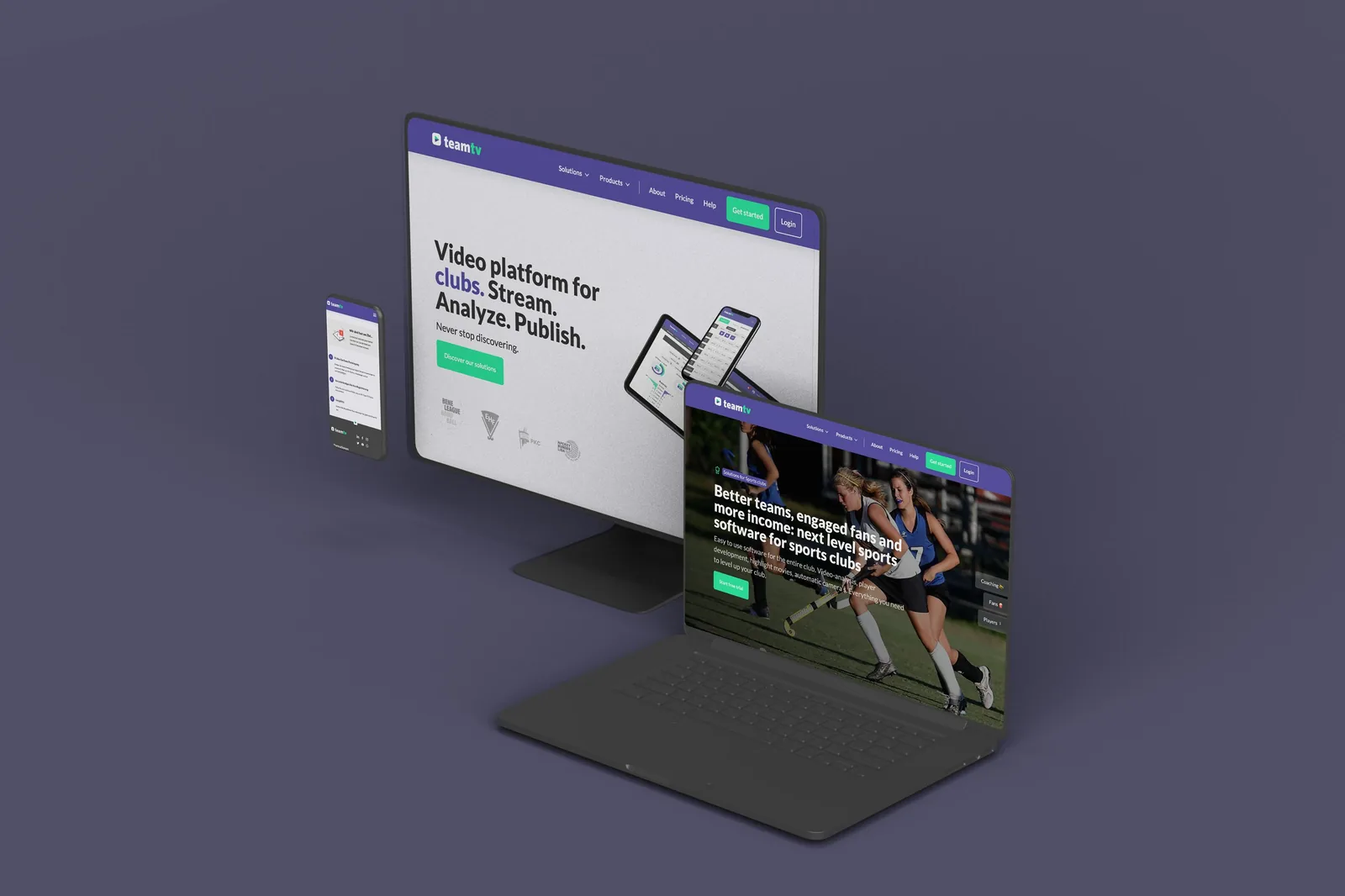
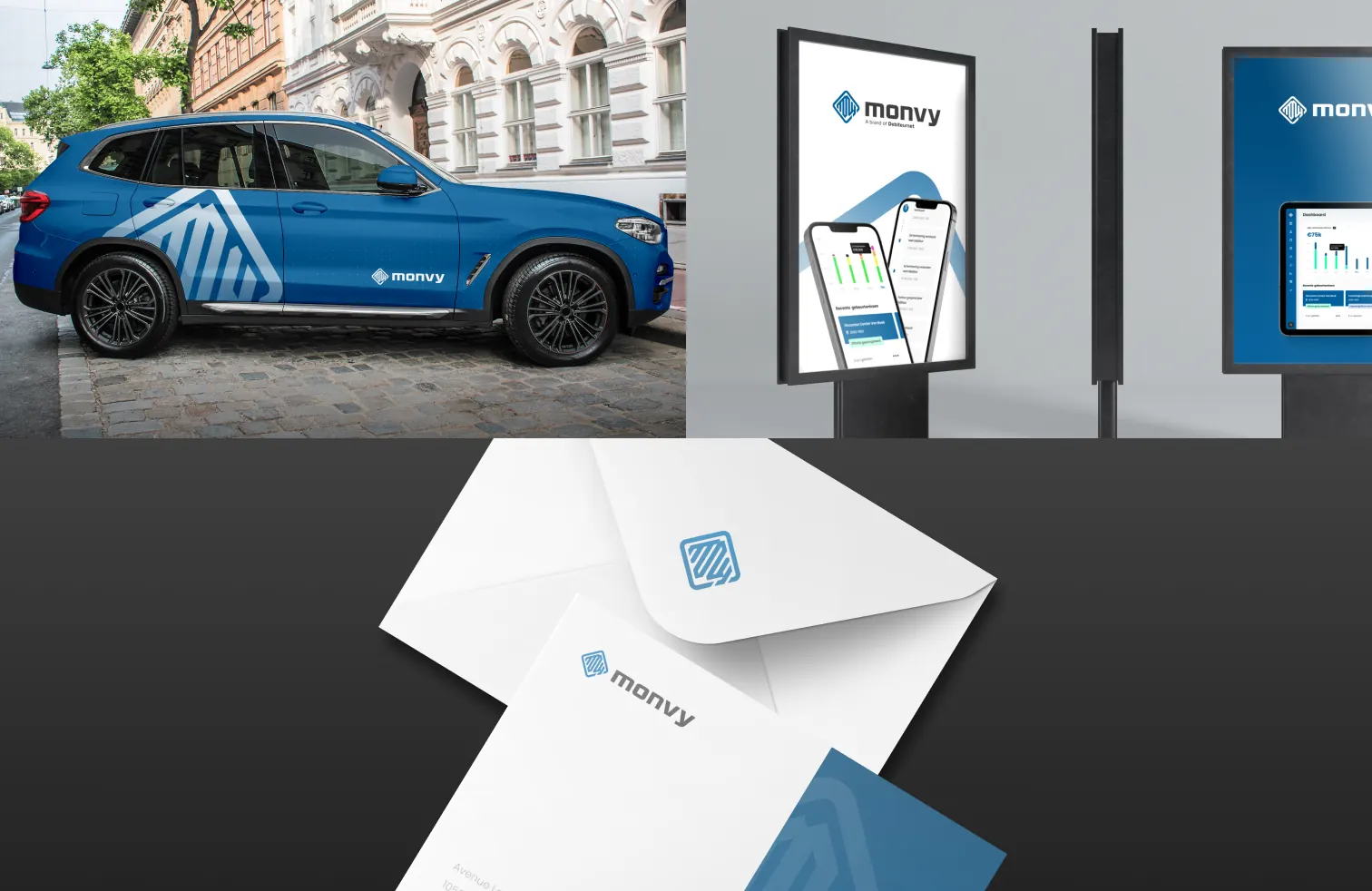
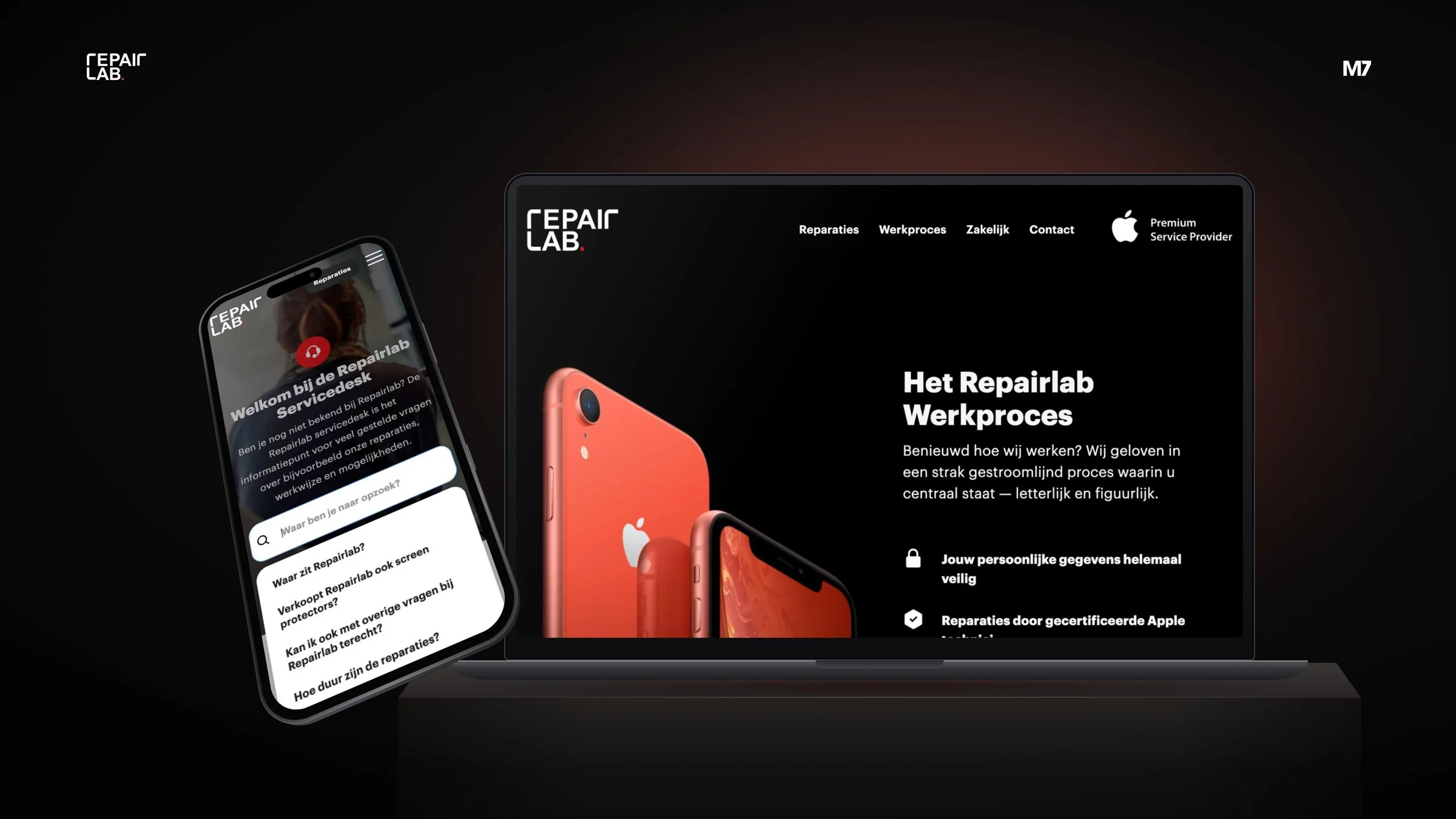
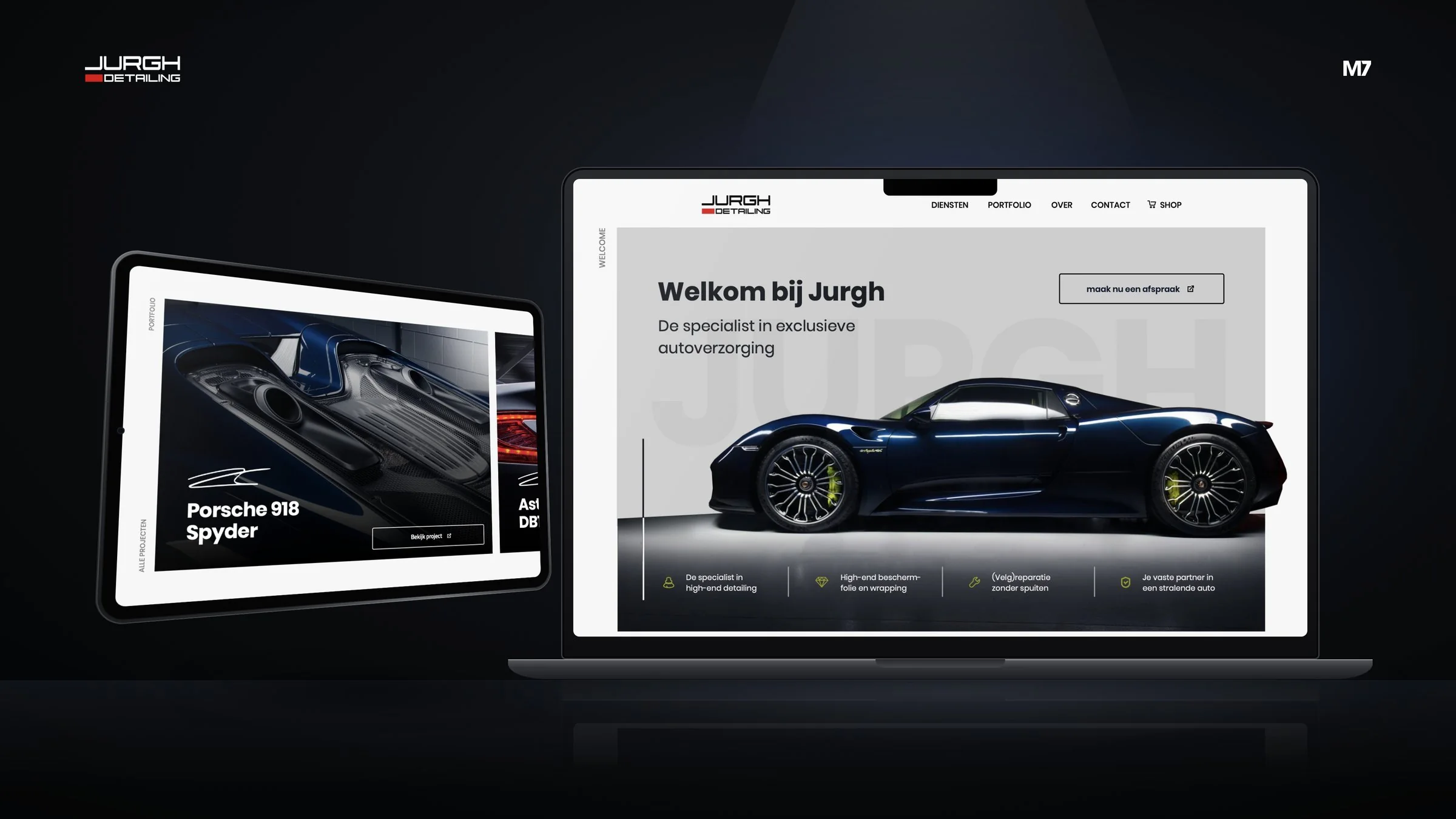
We create websites with project portfolios, 3D visuals and animations of designs, drone footage of the building site and videos that show craftsmanship. Around that we design identities that work on scaffold banners, site boards and vans, and build quote calculators and configurators that deliver complete enquiries. With local SEO and employer branding, both clients and tradespeople find you more easily.
Challenges in this sector
What we often see.
Showing what is not there yet
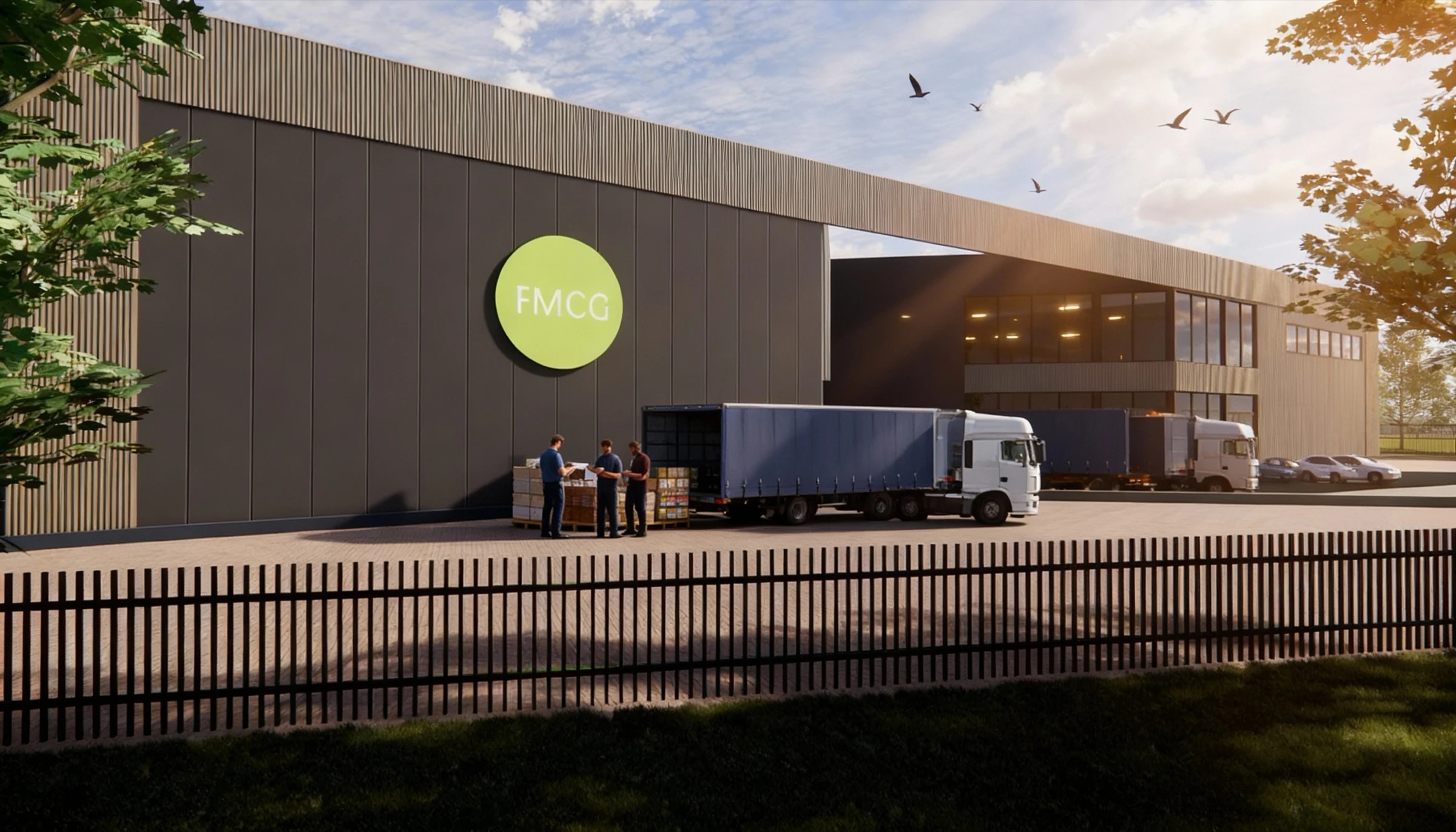
A design on paper is hard to imagine. With 3D visuals and animations clients, neighbours and the municipality see the end result.
Craftsmanship that disappears online
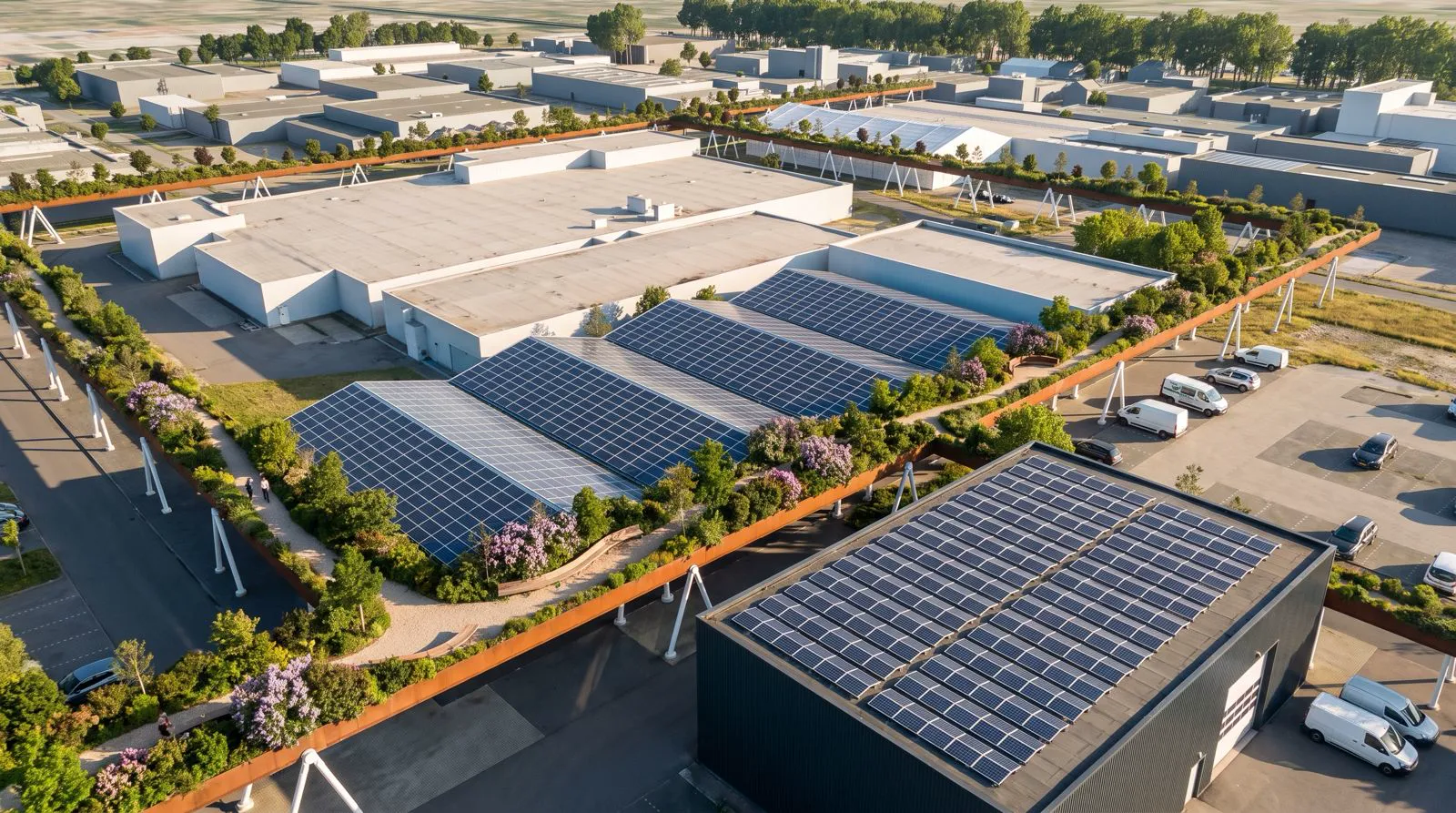
Your best work sits in a folder on the site manager's phone. A strong project portfolio with good photos and drone footage lets it speak.
Enquiries that are incomplete
Calling back for measurements, photos and wishes takes time. With a quote calculator or configurator you receive enquiries with everything included.
Finding tradespeople
Carpenters, engineers and site managers are scarce. Employer branding and short videos of the real work show why your company is a good place to work.
Relevant services
How we help
Popular applications
Frequently asked questions
Frequently asked
Do you create 3D visuals of construction projects?
Yes. Based on drawings or CAD and BIM models we create realistic renders and animations of exteriors and interiors. You use them for sales, in presentations to clients and design review panels, or in public consultation with the neighbourhood. We work in phases: the big picture first, details later. That way you do not pay for images of a design that is still changing. Read more about the approach under 3D visualisation.
Can you shoot drone footage of a building site?
Yes. We shoot drone photos and videos of building sites, ongoing projects and completed buildings, within the applicable drone regulations. Near built-up areas and in controlled airspace that sometimes requires extra preparation or permission, which we arrange beforehand. A fixed series of shots from the same spot also makes a great timelapse, from first pile to handover. Read more under drone video.
Do you also design site boards, scaffold banners and vehicle graphics?
Definitely. We design site boards, scaffold banners, van graphics, workwear and trade-show materials in your identity, and can take care of production too. What matters most is that it is legible from a distance and recognisable at a glance. A site board gets a few seconds, so we keep it simple: who is building here, what is coming and where to find out more. Read more about signage here.
Do you work for construction companies of every size?
Yes. We work for independent tradespeople and small finishing companies, for family businesses with a steady crew and for builders and installers with several branches. We tailor the approach and budget to what you need. For one company a sharp website with local visibility is enough, another wants a configurator, an employer branding campaign and a complete identity. We always start with an honest conversation about what it needs to deliver.
For contractors, builders, renovation, maintenance and restoration firms, civil engineering contractors and construction groups, from a family business with a steady crew to a builder with several branches. Everything for construction firms
What belongs in a good visual identity for a construction company?
More than a logo. A construction company shows up in places other businesses never do: site hoardings, scaffold banners, vans, workwear and the site cabin. A strong visual identity has to work there as well as on your website, quotes and LinkedIn. So we design with that whole range in mind: legible from a distance, sturdy on a muddy scaffold and recognisable at a glance. Smart, without shouting.
How do I find new tradespeople for the building site through my website?
Carpenters and site managers do not read long job ads at a desk. They scroll on their phones, in the evening or in the site cabin at break time. So we keep construction vacancies short and honest, with real colleagues in the picture and an application that takes a few minutes, CV optional. With employer branding and short videos of the actual work, shared on social media, you also reach people who are not actively looking yet.
How do I make sure clients find me locally as a contractor?
Someone searching for 'builder near me' or 'renovation Oss' wants a company that is close by and has done this kind of work before. Local SEO for contractors therefore comes down to two things: a strong Google Business Profile with reviews and photos, and project pages per town and type of work. An extension in Uden, a renovation in Schijndel. That way you show what you can do, right where people are searching. With local SEO we build that up step by step.
Is it worth showing ongoing construction projects online?
Definitely. A finished project looks good, but the process says more about your craftsmanship. A quick update from the scaffold, a drone shot of the shell or a timelapse from foundations to roof tiles shows how you work. Clients, neighbours and job applicants all appreciate that. We shoot the drone footage and videos, and set up a simple routine so your team can supply good content themselves. No film crew needed for every concrete pour.
What does a website for a construction company cost, and how long does it take?
That mainly depends on what it needs to do. A compact site with projects, services and a good enquiry form is different from a site with several branches, a careers section and a buyer portal. A compact website is typically online in 4 to 6 weeks, while integrations or a portal take longer. You can already see indicative prices in our configurator at letsgo.m7branding.com, and after a short intake you receive a tailored proposal.
How do I show what sets us apart in a tender?
By making it easy for the assessors. They often read dozens of bids, so a plan with a clear structure, short paragraphs and diagrams that show the key points stands out. Back up what you promise with reference projects, photos of similar work and a realistic schedule. We take care of the design, the diagrams and a fixed layout in your house style, so your team does not start from scratch with every bid. The content stays yours, because nobody knows your work better.
Can buyers in a new-build project choose their extras online?
Yes. In a buyer portal buyers choose their extras and omissions per home, with photos, prices and deadlines. They see the schedule, find their drawings and documents and get a notification when something changes. Your buyer liaison keeps the overview and no longer has to settle everything by email. We check together upfront whether the portal can connect to your existing software.
For finishing contractors such as plasterers, painters, tilers, floor layers, ceiling and partition installers and window frame specialists, working for homeowners and contractors alike. Everything for finishing trades
What does a quote calculator do for a finishing company?
Mostly, fewer phone calls about the basics. With a quote calculator visitors enter the square metres, type of finish and condition of the surface themselves. They see a price indication straight away and you receive an enquiry with the details you need, often including photos. Bargain hunters drop out sooner, serious clients arrive better prepared. You set the pricing rules and margins, and adjust them whenever material prices shift again.
How do I get more enquiries for plastering, painting or tiling in my area?
People search very specifically: 'plasterer Veghel', 'microcement bathroom' or 'exterior painter price'. So give every service its own page, with photos of your own work, an honest explanation and a clear next step. Combine that with a well-kept Google Business Profile and reviews, and perhaps Google Ads to fill quieter periods. That way you are found for the jobs you actually want, not just for 'handyman'.
How do I show the quality of my finishing work?
Finishing is detail work, and details only show in a good photo. A flawless plastered wall in raking light, a seamless tiled floor or a window frame that fits perfectly sells itself, provided it is captured well. We photograph projects or teach your team to shoot a tidy before-and-after with a phone. On your website and Instagram we bundle that into a portfolio per type of work, so clients see right away what to expect.
Do you also work for finishing companies that mainly work for contractors?
Yes, and the story changes. A contractor or developer mainly wants to know whether you have capacity, deliver on time and work tidily. You show that with reference projects, certifications and a website that feels businesslike and reliable. A sharp company presentation for tenders and an active LinkedIn profile often do more in that market than an Instagram feed full of before-and-afters.
How do I get more good reviews without nagging?
Ask at the right moment, and make it easy. Customers are most satisfied right after the job is finished, so that is when you send a short message with a direct link to your Google profile. With a simple automation that happens on its own, linked to your planning or invoicing. Then respond to every review, including the critical ones, because future customers read your replies too. We do not buy reviews, because that always backfires at some point.
Can customers send photos with a quote request?
Yes, and it saves you a lot of trips. A good enquiry form asks for a few photos of the wall, floor or window frame, plus the dimensions and the finish wanted. That way you see upfront whether repairs are needed first, whether it is a job you want and which materials you need. On your website we build that form so it works as easily on a phone as on a laptop. The photos arrive neatly with the enquiry in your inbox or CRM.
Do I really need my own website as a sole trader or small finishing company?
If word of mouth always keeps your schedule full, perhaps not straight away. But anyone who hears your name will almost always look you up. A compact website with your work, your service area and a way to get in touch shows you are serious. It also gives you a permanent home for reviews and photos, instead of everything scattered across social media. A compact site is typically online in 4 to 6 weeks, and you can expand it later with, for example, a quote calculator.
For installation companies, electrical installers, plumbers, roofers and specialists in HVAC, ventilation and solar energy, in housing, commercial construction and renovation. Everything for building services
How do I show as an installer that we can handle large construction projects?
A main contractor or housing association looks at you differently than a homeowner. They want to know whether you have capacity, whether your certifications are in order and how you work together on site. Show that with reference projects per type of work, an overview of your accreditations and a short explanation of how you work, from preparation to handover. A sharp company presentation for tenders and a business route on your website finish it off.
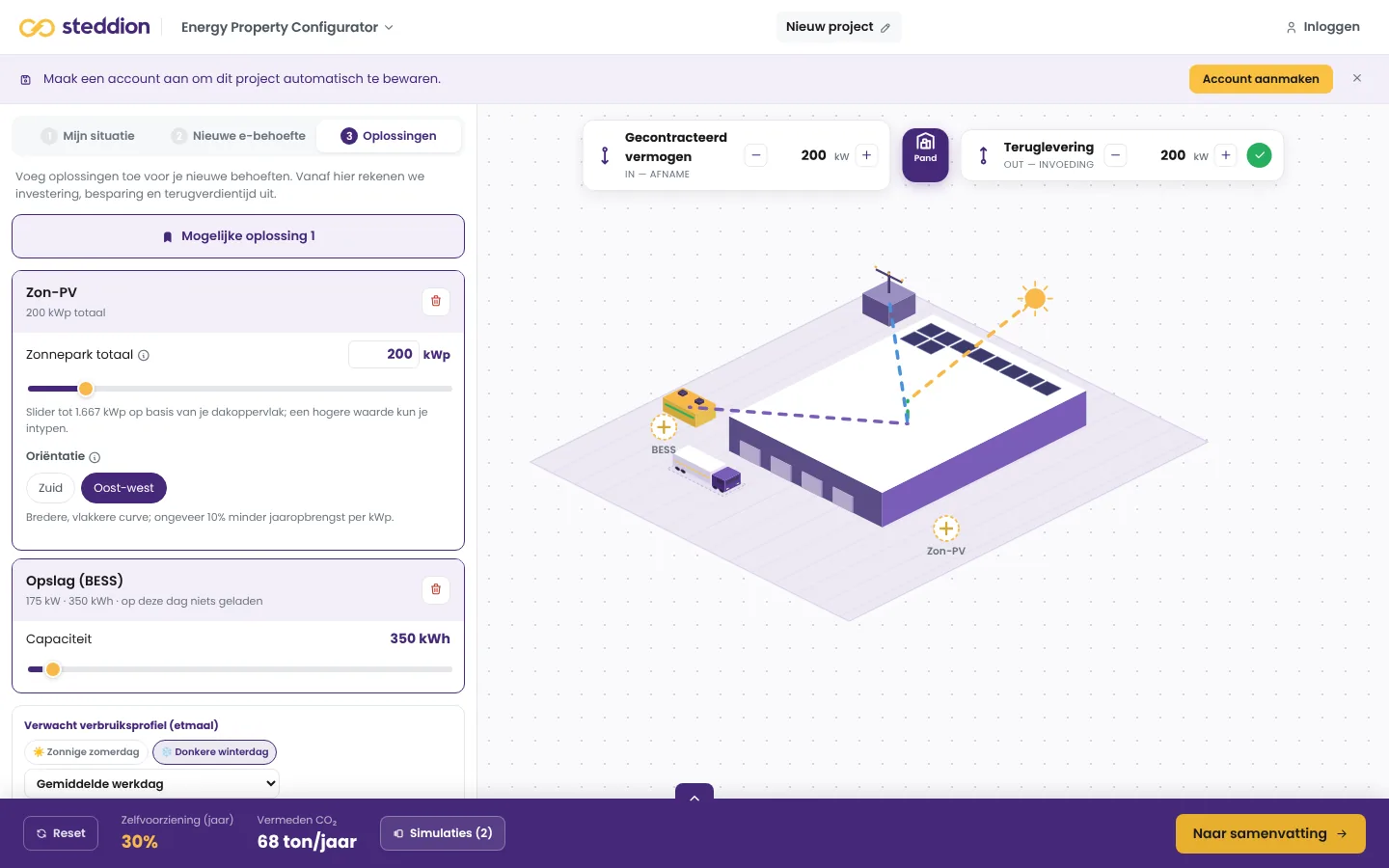
What does an energy configurator on my website do for me?
Many customers do not know whether solar panels, a home battery or a heat pump suits their home or building, and roughly what it delivers. With a configurator they enter their situation and see an initial proposal, with the assumptions shown. You receive an enquiry with usage, roof area and wishes, instead of a vague request for 'information'. We built an Energy Property Configurator like this for Steddion, aimed at commercial buildings.
How do I find engineers and apprentices for my installation company?
Good engineers have plenty of work, so you need to show why your company is better. Think honest stories from colleagues, clarity about training and progression, and footage of real jobs instead of stock photos with a hard hat. With employer branding and short videos on social media you also reach people who currently work elsewhere, or students unsure about an apprenticeship. After that, applying should take just a few minutes.
How do I get found when someone searches for a roofer or installer nearby?
Those searches are often urgent: a leak, a broken boiler, a circuit that keeps tripping. Then people pick the company that is close by, easy to reach and well reviewed. Make sure you have a complete Google Business Profile, a page per service and per town in your area and a phone number that dials straight from a mobile. With local SEO we build that up step by step, without thin copy-paste pages.
How do I stop our office getting swamped by calls at busy times?
By answering the most common questions online, and letting customers report and schedule as much as possible themselves. A fault form with photos, an appointment widget for maintenance and a page explaining error codes already take a lot of pressure off. Customers with a service contract can also be scheduled evenly, with an automatic reminder. Anyone who still calls reaches a colleague who has time for the tricky cases.
Does an AI chatbot make sense for an installation company?
Sometimes, yes. An AI assistant fed with your own manuals, error codes and terms can answer many standard questions in the evening and at weekends. Think 'what does this error code mean', 'when is my service due' or 'is this covered by the warranty'. When in doubt or in an emergency, it refers people to your team or the emergency number. We start small, test with real questions and only expand once it works well.
How do I explain a heat pump or ventilation system without jargon?
Start with what the customer notices: a comfortable home, fresh air and less gas use. Then explain in a few steps how it works, with a short animation or a clear drawing instead of a technical leaflet. Be honest about what a home needs first, such as insulation or different radiators. That prevents disappointment afterwards and leads to better enquiries.
For architecture firms, landscape architects, urban planners, architectural drafting offices and structural and building consultancies who want to give their designs and expertise the stage they deserve. Everything for architecture firms
What does a good website for an architecture firm look like?
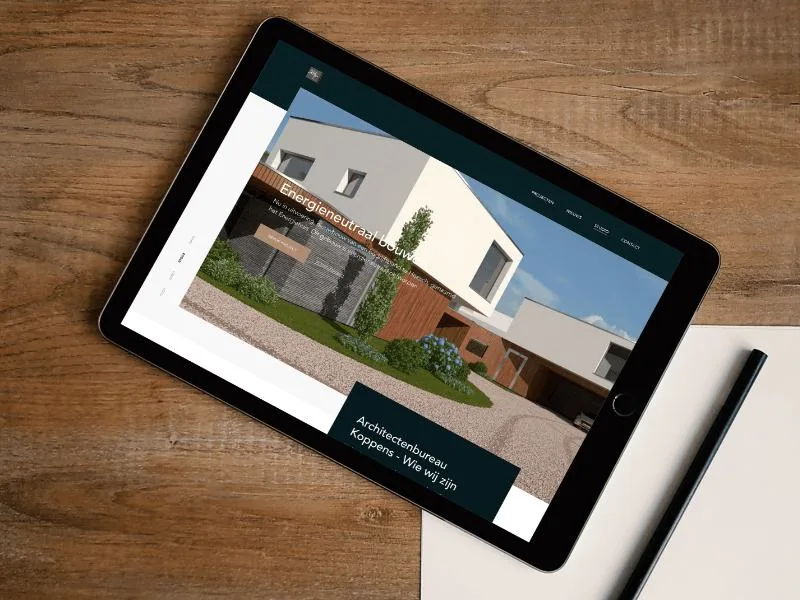
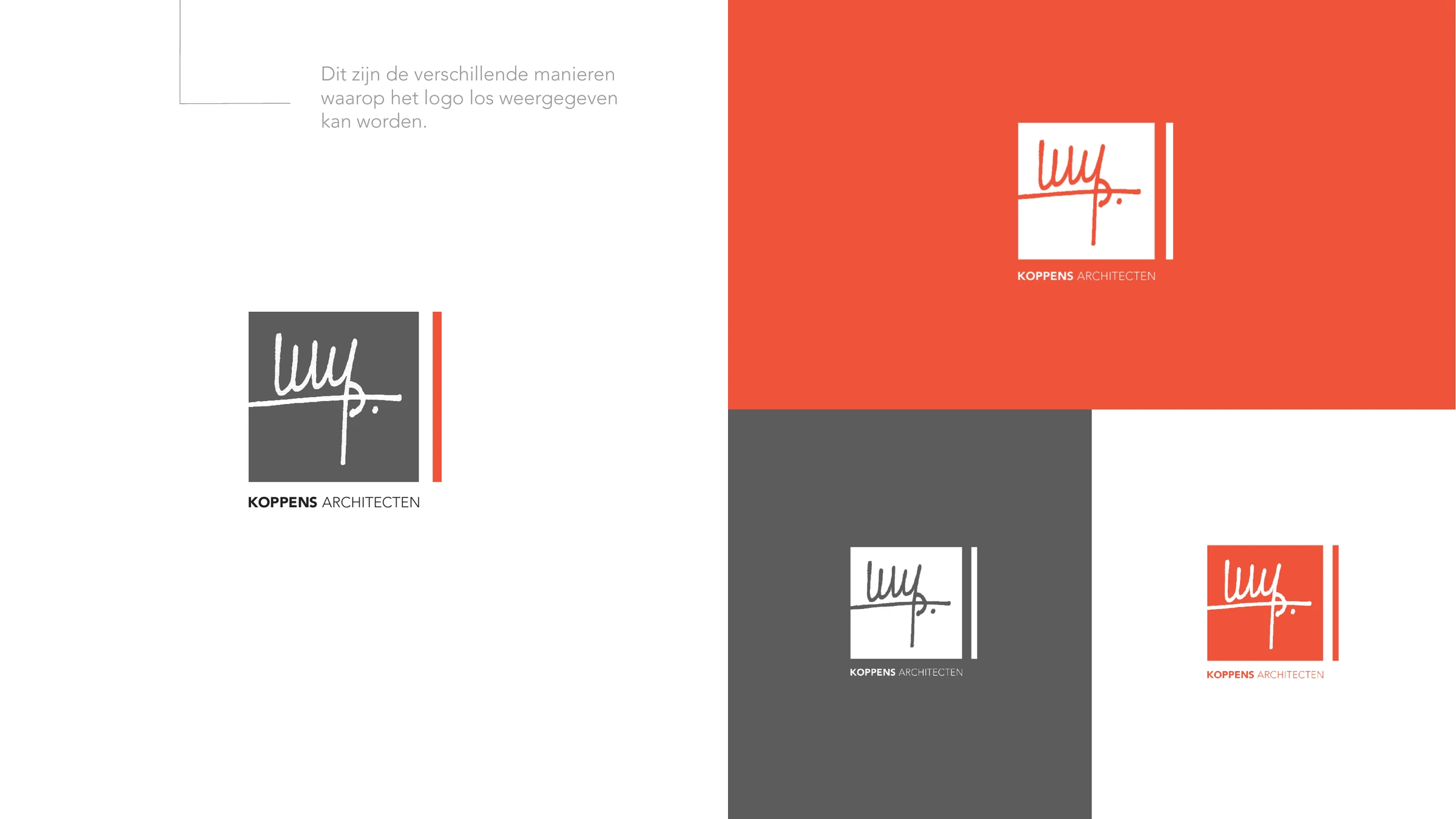
Calm, image-led and well organised. Your projects are the story, so they get room: large images, a short note on the brief and the choices you made. We built a website like that for Architectenbureau Koppens, with their projects and their vision of energy-neutral building in the lead role. Beyond that, a client wants to see quickly how you work and what a first meeting involves. Beautiful is welcome, findable is a must.
How do private clients find my architecture firm?
Private clients often start with a question, not a name. 'What does an architect cost for a renovation?' or 'Do I need a permit for an extension?'. If you answer those questions clearly on your own website, you are easier to find on Google and more likely to be mentioned by AI assistants. We write that content together with you, in your words, and link it to projects in your own region. That way the question finds its way to the right architect.
How do I present a design to a client or design review panel?
With visuals that show the design the way you see it, in a story a layperson can follow. We create renders and short animations from your own models and put them in a clear presentation: the site, the brief, the choices and the result. A presentation like that works as well at a first meeting as it does before a design review panel or at a neighbourhood information evening.
How do I capture completed projects properly?
Plan the photography deliberately, not once the residents have lived there for a year. Choose the right light and season, and a moment when the building is clean and empty or just coming into use. Architectural photography calls for straight lines and calm images, complemented by drone footage that shows how the building sits in its surroundings. Agree upfront with the client what you may publish, so you can use the images everywhere afterwards.
How do I attract larger or commercial clients?
Commercial clients, developers and public bodies look for proven experience with similar briefs. So also organise your projects by type, such as healthcare, education, housing or transformation, with the brief, your role and the result for each. A polished project book and a strong presentation help in selection procedures, tenders and pitches. On LinkedIn you show how you think, with short stories about the choices in your projects.
How do I translate our design philosophy into a brand?
Start with what makes your practice different: your view on place, materials, sustainability or the way you work with clients. We first capture that story in a short positioning, and only then in logo, typography and imagery. For architects a restrained visual identity often works best, because your projects play the lead. But restrained is not the same as interchangeable, and that is where the work lies.
What do you need to make renders of our design?
Ideally your own 3D or BIM model, along with drawings, material choices and a few reference images of the atmosphere you are after. From that model we create renders and, if you like, a short animation or walkthrough. The further the design has been developed, the less we need to assume. In an early phase we deliberately work more loosely, with mood images that leave room for the conversation with your client.
For prefab home builders, modular and system builders, timber frame builders and makers of tiny houses, granny annexes and temporary housing. Everything for prefab & modular building
How do I convince buyers that prefab is as good as traditional building?
By not claiming it, but showing it. Take people through the process: the factory, the materials, the checks and the moment the modules are placed on the foundation. A short company film or timelapse says more about that than a brochure full of superlatives. Be honest about what is and is not possible in terms of customisation, show completed homes and real residents, and refer to your energy labels and warranties as they actually are.
What does a 3D configurator offer a prefab or modular builder?
A home with dozens of choices is hard to explain in a PDF. In a 3D configurator buyers choose the model, layout, facade and options themselves, and see right away what that means. Add a price indication and they also know where they stand financially. You receive enquiries with a complete configuration, and your sales team has a demo tool that is always up to date, at a trade show or at the kitchen table.
How do I reach municipalities and housing associations as a modular builder?
Decision-makers at municipalities and housing associations are looking for answers to a housing challenge, often with little time and many stakeholders. Give them their own route on your website with reference projects, lead times as you actually achieve them and answers on permits, placement and relocation. A clear presentation helps in meetings and tenders. With LinkedIn Ads you put your projects in front of aldermen, project leaders and property managers.
How do I get found for searches like 'buy a tiny house' or 'place a granny annexe'?
People searching like that usually still have plenty of questions. Is it allowed on my land, do I need a permit, what does it cost including foundation and connections, and how long does it take? Answer those questions honestly on your own website, one page per topic, with examples from your own projects. That content helps on Google and is more likely to be mentioned by AI assistants. Rules differ per municipality, so refer people to the local council where needed.
What does a 3D configurator cost and how long does it take to build?
A 3D configurator is custom work. The investment depends mainly on the number of home types, options and materials, and on whether usable 3D models already exist. A configurator with 3D, complex logic or integrations typically takes 8 to 16 weeks. If you would rather start smaller, a 2D product finder with a price indication is a good first step. After a short intake you receive a clear indication.
How do I follow up with people who configure a home but do not buy yet?
Nobody buys a home on a Tuesday evening. People who save a configuration often still have questions about a plot, financing or lead time. With lead nurturing you send a few useful emails over the following weeks that answer exactly those questions, with examples of completed homes. Your sales team sees who comes back and which options they looked at, and calls when a conversation makes sense. It is not pushy, as long as every email adds something.
How do I keep buyers informed during production and placement?
There is often a long gap between signing and handing over the keys, and silence makes buyers uneasy. A buyer portal with the schedule, the choices made, drawings and documents gives them something to hold on to. A short update with photos from the factory at key moments works wonders, and can largely be automated. That way your project manager does not have to answer every question separately, and buyers always know where they stand.
Who we work for
From independents to market leaders
- Contractors
- Construction companies
- Renovation companies
- Maintenance companies
- Restoration companies
- Civil engineering contractors
- Finishing contractors
- Plastering companies
- Painting companies
- Tiling companies
- Flooring specialists
- Window frame specialists
- Installation companies
- Electrical installers
- Roofing companies
- HVAC and ventilation companies
- Architecture firms
- Landscape architects
- Urban planning firms
- Structural engineering firms
- Building consultancies
- Prefab home builders
- Modular builders
- Timber frame builders
Today may be the day to meet your strategic partner.




 Martijn, Noud and the rest of the team are ready for you.