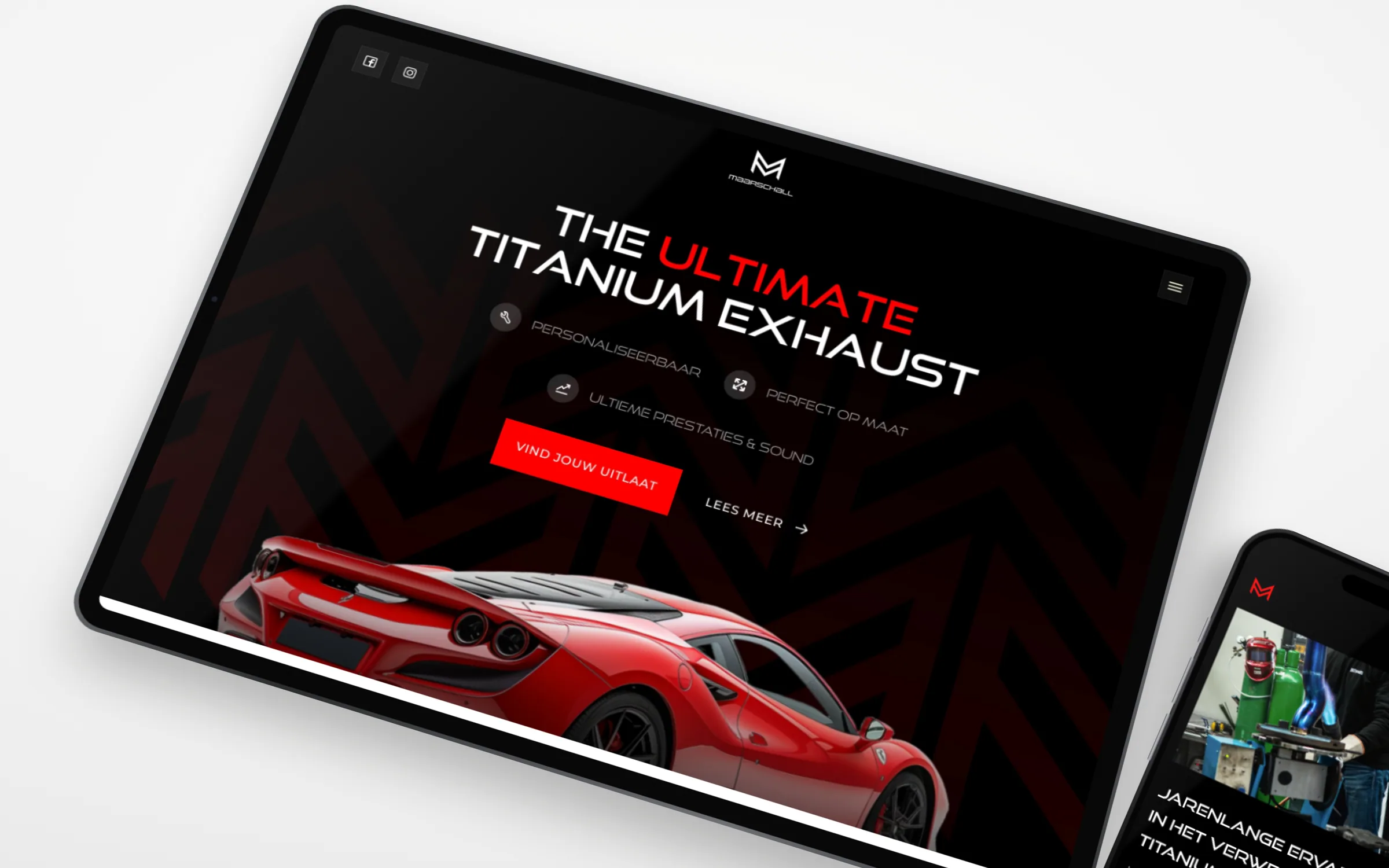
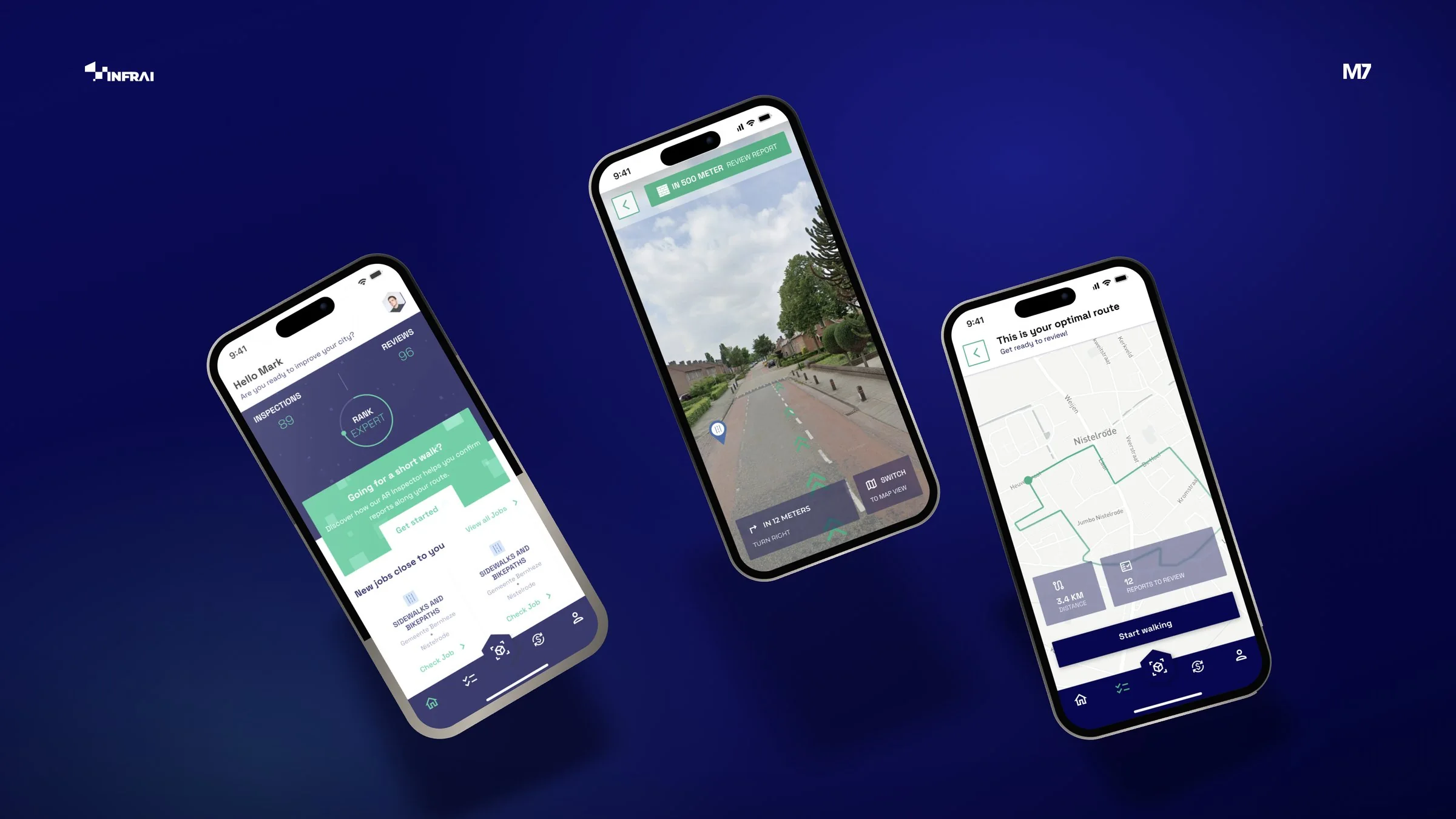







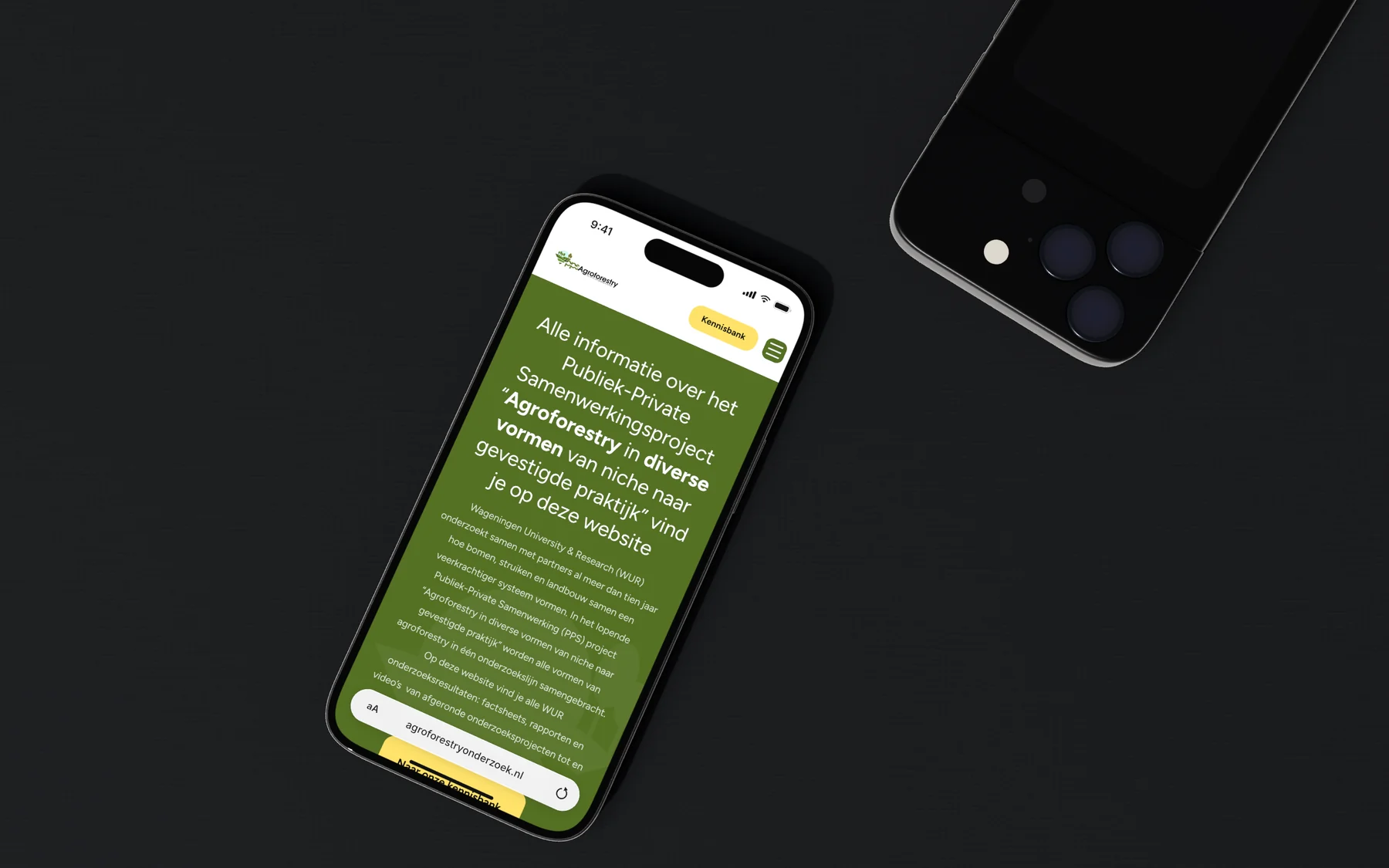
Farms, horticulture, agri-tech, recreational farms and nature organisations: we show what happens on the land and make sure customers find their way to your farmyard, web shop or showroom.






















In agriculture you work with real products, real animals and real land. That is exactly what consumers, business buyers and visitors want to see. Yet the website is often the last thing anyone has time for, because the animals and the harvest come first. M7 helps farmers, growers, agri-businesses and nature organisations tell their story well: from a farm shop with a web shop to an agri-tech company that wants to grow across borders.
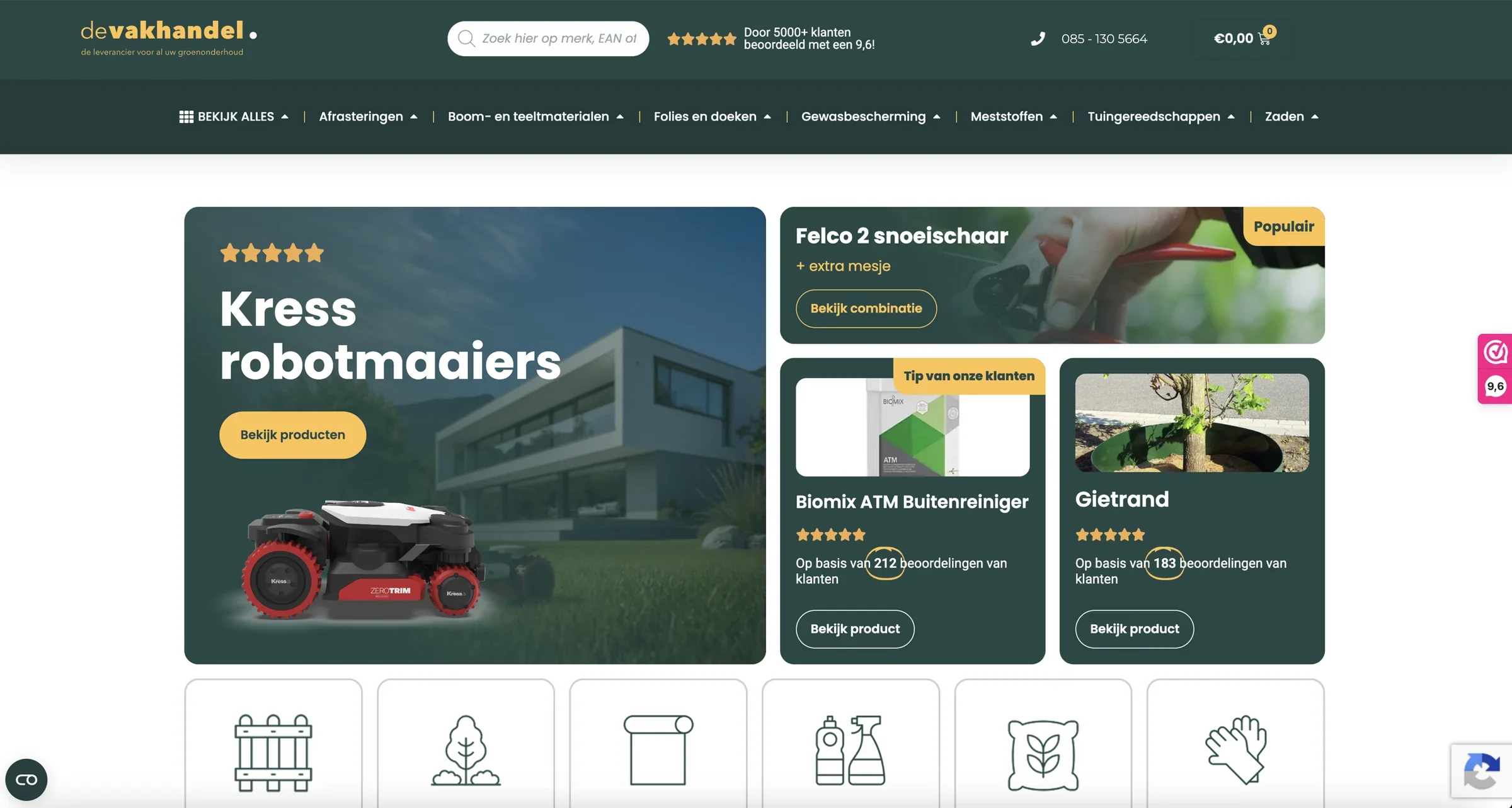
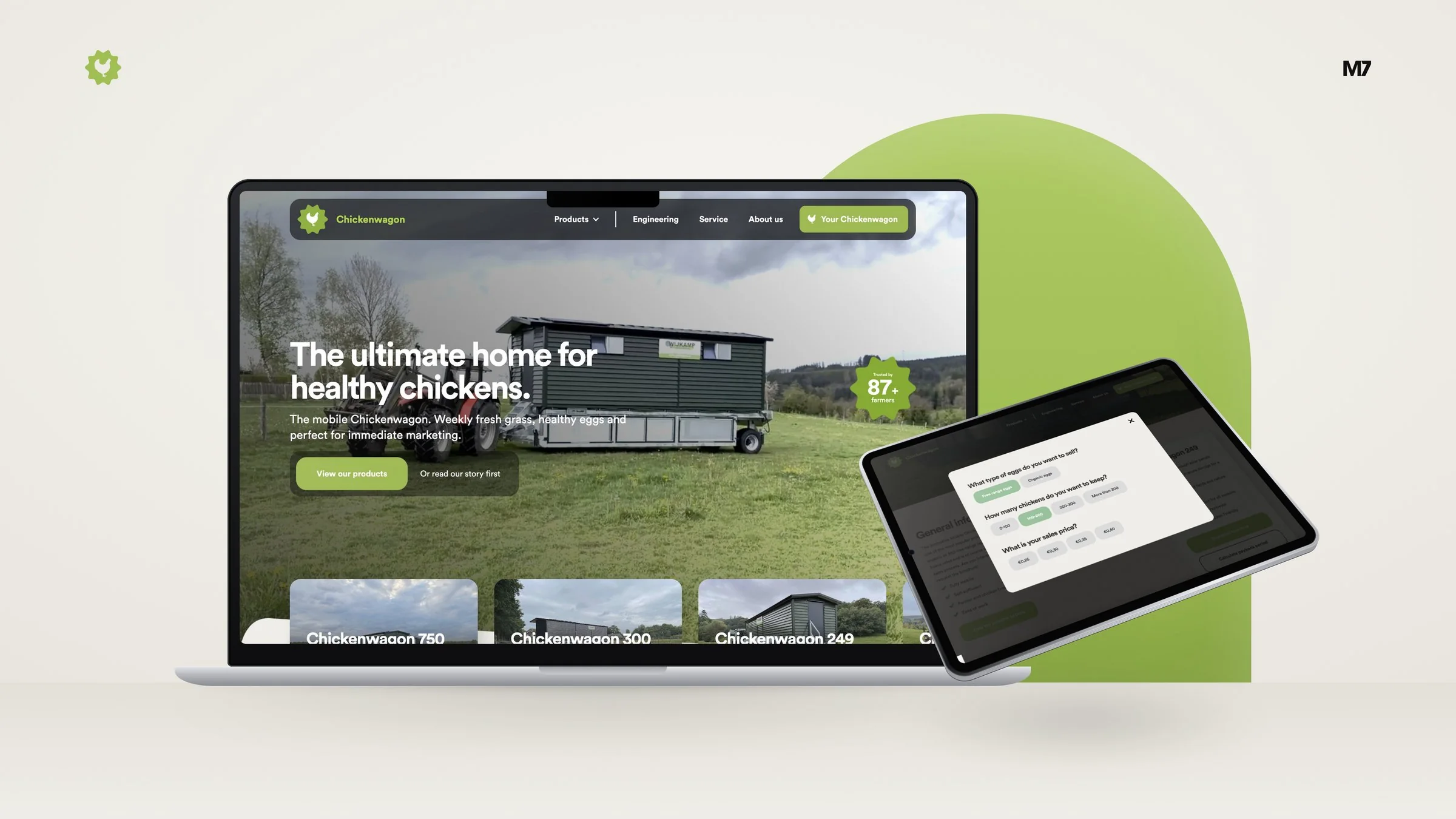
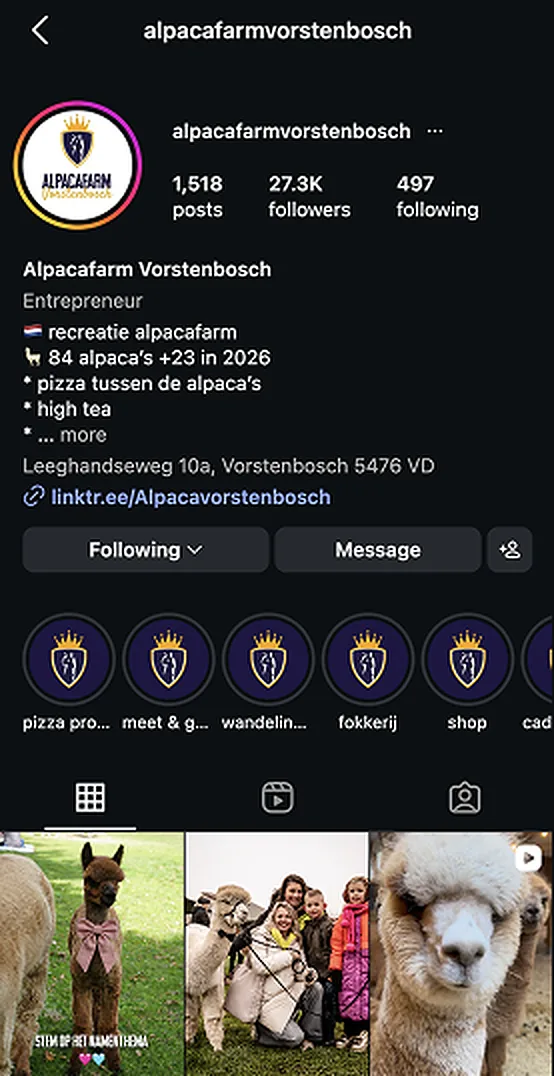
For Alpacafarm Vorstenbosch we created social media content and worked on the website, so visitors can see what there is to experience. We shoot drone videos of land and greenhouses, product photography and packaging for local produce, and build booking widgets for tours, workshops or a stay on the farm. With local SEO you get found for searches like 'farm shop near me' or 'farm day out'.
Challenges in this sector
What we often see.
Little time for marketing
The work on the land always comes first. So we keep it easy: a website you can update in a few minutes and a content plan that follows the seasons.
From farmyard to online sales
Customers want to order outside opening hours too. A web shop with pick-up slots, local delivery or a subscription to a vegetable or meat box makes that possible.
Showing where it comes from
Consumers and buyers want to know how crops are grown and animals are cared for. Real photos, video and stories from the farm build that trust.
Explaining innovation
Agri-tech and new growing methods are hard to grasp. With 3D, animation and a clear website, farmers, investors and foreign buyers understand what you do.
Relevant services
How we help
Frequently asked questions
Frequently asked
Can you build a web shop for our farm shop?
Yes. With pick-up slots, local delivery, a changing seasonal range and online payment. We keep the back end simple, so you can update the range in between jobs.
Do you shoot drone videos of farms, greenhouses and nature areas?
Yes. Drone footage shows the scale and surroundings of your business, for your website, social media or a corporate film. We plan the shoots around the season and the weather.
Do you work for agri-tech companies that sell internationally?
Definitely. We build multilingual websites, create 3D visuals and animations of machines and systems, and design trade-show stands and presentations.
Can visitors book an activity on the farm online?
Yes. With a booking widget visitors choose an activity, date and group size and pay straight away. You keep track of the schedule and capacity.
How much time will social media take us?
Less than you think, if you are smart about it. We make a plan per season, you share the moments from the farm and we turn them into content that fits your brand. For Alpacafarm Vorstenbosch, for example, we created social media content.
For farm shops, local food producers, fruit growers, dairy farms and livestock farmers who sell directly to consumers, restaurants or shops in the region. Everything for farm shops & local produce
How do I set up a web shop for my farm shop?
Start small, with what you already sell and how customers want to collect it. Most farm shops start with fixed pick-up slots and delivery in the immediate area. A web shop with a limited, changing range, stock per product and online payment is enough for that. What matters is that you can update it quickly yourself, because the harvest does not wait for a web developer. Later you can expand with boxes, subscriptions or sales to restaurants.
How do I get found for 'farm shop near me'?
Mainly through Google Maps. A complete Google Business Profile with the right category, opening hours, photos of your shop and products, and reviews you reply to is the foundation. Keep opening hours up to date, also during the season and around holidays. On your website a page per product group or season helps, mentioning the nearby towns. With local SEO we build that up properly. Add your egg vending machine or honesty box too, because people search for those as well.
What makes a good label for a local product?
It has to say at a glance what it is and where it comes from, while including all the required information, such as ingredients, allergens, best-before date and weight. Use your own story: the name of the farm, a recognisable colour, an illustration of the landscape. That sets you apart from the own-brand product next to it. We design the label so it works on jars, bottles and boxes, and so your printer can get started without questions.
Can I sell vegetable or meat boxes as a subscription?
Yes, and it brings calm to your planning. Customers choose a box and a frequency, pay automatically and collect or have it delivered. You know in advance how much you need. A web shop with subscriptions handles payments, holiday pauses and changes without you keeping lists. With a short email about what is in the box this week, customers stay engaged and curious.
How do I sell my local produce to restaurants and shops?
Start with personal contact and then make it easy to keep ordering. A polished presentation or product sheet with your story, range and delivery options helps in the first conversation. Good photos of your products do the rest. If regular buyers order often, a simple ordering portal saves you a lot of back-and-forth messaging. That keeps it personal, without the admin eating up your evenings.
What should I post as a farmer or local producer?
Mostly what you are already doing: the harvest, the animals, the weather, the people behind the product and what is in the shop this week. Perfect photos are not needed; real moments work better. Use a simple content strategy to make a plan per season, so you know what to share when. A quarter of an hour a week and a regular feature already get you a long way. If you want more reach, social media marketing with the occasional local ad helps.
Does a farm shop need its own logo and visual identity?
It helps more than you think. A recognisable logo and fixed colours make people connect your roadside sign, your labels and your web shop. That also makes your product easier to spot in a deli or supermarket. It does not have to be a big project: a good logo, a few colours and a label template are a fine start. You expand that visual identity later as you grow.
For greenhouse growers, tree nurseries, ornamental plant growers and garden centres, from the grower who exports to the garden centre around the corner. Everything for horticulture & garden centres
How do you present a nursery or greenhouse business to foreign buyers?
With a website that shows, in their language, what you grow, how you work and what you supply. Buyers want to find range, availability, quality and certifications quickly. Good photos and a drone video of your business give a first impression of scale and professionalism. A multilingual website that gets found in each country, plus a polished presentation for trade shows and meetings, keeps your story standing when you are not at the table yourself.
Can business customers order online from our current stock?
Yes. In a customer portal regular buyers see your current availability with their own prices, place orders and look back at previous orders. The availability comes from your business system through an integration, so you do not keep anything twice. That saves calls, emails and typing errors. We start with the most important features and build on based on what your customers actually use.
How does a garden centre attract more visitors?
By responding to the season and the moment. In spring people think about vegetable gardens, in autumn about bulbs and around December about Christmas. Use short videos and social posts to show what there is to see and do right now, and run local ads around those peaks. A website with current workshops, events and opening hours does the rest. With social media and Meta Ads you reach people in your area at the moment they feel like gardening.
Does a garden centre need a web shop?
Not always for the whole range, but often for part of it. Many customers want to browse at home, reserve and then collect, especially during busy weeks in spring. Start, for example, with garden furniture, gift cards and seasonal products, with in-store pick-up and local delivery. A web shop linked to your stock where possible prevents disappointment. Even when someone ends up buying in the store, the choice often starts online.
How do you find staff for the greenhouse or nursery?
Show what the work is really like and make applying easy. Photos and short videos of the greenhouse, the technology and colleagues say more than a list of requirements. If you work with international staff, put the vacancies in their language too on a multilingual careers page. With employer branding and targeted ads in the region you also reach people who had not thought about horticulture yet.
How does a grower show its own brand to consumers?
Through the product itself. A sleeve, label or plant tag with your name, care tips and a QR code to your own landing page connects the plant in the garden centre to your story. On that page you explain how you grow, share tips and point to stockists. With good packaging design and some social content you build a brand that way, even if you do not sell to consumers yourself.
For recreational farms, animal farms, pick-your-own gardens, farm campsites and care farms where visitors want to experience something, from a guided tour to a children's party. Everything for recreation & farm experiences
How do you fill activities and packages through the website?
Make booking as easy as browsing. Visitors see what there is to do, when, for whom and what it costs, and book in a few clicks. A booking widget with availability per activity, group size and online payment prevents double bookings and messages asking 'any room left on Saturday?'. Automatic confirmations with directions and practical info complete the picture. That keeps your hands free for the animals and the guests.
Does social media work for a recreational or animal farm?
Yes, especially for you. Animals, seasons and life on the farm are content people love to watch. It is not about perfect pictures, but about real moments: a newborn lamb, the first walk of the year, the farmyard in Christmas spirit. For Alpacafarm Vorstenbosch we created social media content around the alpacas and the activities on the farm. With social media marketing and the occasional local ad you fill your calendar.
How do you get found for 'farm day out' or 'farm children's party'?
With a page per activity that answers exactly what people are looking for: what do you do, for which age, how long does it take, what does it cost and where is it. Combine that with a complete Google Business Profile and reviews from visitors. Many people search with their region included, so mention the nearby towns. With local SEO and SEO content you show up for parents, companies and groups looking for a day out.
How do you attract company outings and groups to the farm?
Give groups their own place on your website, with packages, capacity, food and drink, and what happens in bad weather. A package calculator lets organisers put together a day themselves and produces a complete enquiry. Search terms like 'company outing Brabant' or 'team day out on a farm' are well covered with Google Ads and a page per package. Photos of real groups work better than just the animals.
How do you get more reviews from visitors?
Ask at the right moment and make it easy. A day after the visit, while the memory is fresh, a short email with a direct link to your Google profile works well. A card with a QR code at the exit helps too. With email marketing the request goes out automatically after every booking. Reply to reviews, because future visitors read along, and reviews help your local visibility.
How do you explain on your website what a care farm offers?
Write for two groups: participants and their families, and referrers such as care coordinators and support workers. The first group wants to know what a day looks like, what work there is and who the supervisors are. The second group looks for target groups, support and how registration and funding broadly work. Give both their own route on a calm website, with photos of the farm and copy in plain language.
For agri-tech companies, agricultural machinery dealers, livestock housing suppliers, feed and input suppliers and agricultural contractors that help farmers and growers with technology, products and services. Everything for agri-tech & suppliers
How do you explain an agri-tech product to farmers?
Practically and without hype. A farmer wants to know what it saves in time, labour or yield, how reliable it is and what happens when it breaks down. Show the product in action on a real farm, with a farmer explaining how it works. A 3D visual or animation helps show the technology inside. Keep the copy down-to-earth and concrete. Farmers are critical buyers, and rightly so.
Is a configurator useful for livestock housing or farm machinery?
Yes, if your product has many variants and options. In a product configurator a farmer enters their situation, such as the number of animals, the dimensions of the barn or the type of implement, and sees which set-up fits. You get an enquiry with the right details, and your advisor starts the conversation where it gets interesting. A 3D configurator makes it even clearer when the end result is hard to picture.
How does an agricultural contractor find staff and new customers?
With a website and social media that show what the work is really like: big machines, early starts and working in every season. That attracts exactly the kind of people you are looking for. A careers page with short videos of colleagues and a simple application form lowers the barrier. For customers, an overview of your services per season and a quick way to request a job helps. With employer branding and social video you show both groups who you are.
How do you present a machine or housing system at an agricultural show?
Let the product do the work and make sure the message can be read from a distance. One clear promise on the stand, the machine itself or part of it, and on a screen a 3D visual or animation of what you cannot see inside. Plan fixed demo moments and have a simple way to capture contact details. We design the stand and materials so you can use them at several shows.
Can an app replace contractors' job sheets and timesheets?
Yes, and it saves a lot of sorting out at the end of the week. In an app staff record hours, the field, materials used and photos per job, even when there is no signal in the field. The office sees everything straight away and can invoice faster, especially when the app is linked to your accounts. We start with an MVP with the key features and build on what your people actually use.
How do you take an agri-tech company across the border?
With more than a translation. Farmers in Germany or France work with different rules, units and habits, and often buy through a local dealer. Adapt your copy and examples to that and give dealers material they can use themselves. A multilingual website with the right technical SEO makes sure search engines show the right version in each country. That way you get found in every country in the customer's language.
For nature organisations, landscape managers, agricultural nature collectives, landscape gardeners and green space contractors that manage, create or protect nature and green spaces. Everything for nature & landscape
How do you recruit donors or volunteers for a nature organisation?
Show what their contribution concretely does: a patch of heathland coming back, a pond with frogs in it again, a footpath that stays open. People give to something they can see and visit. Images from the area, short stories from volunteers and an easy way to sign up do the rest. After signing up, a few good emails keep people engaged. With social media you also reach the walkers who already love the area.
How does a landscape gardener get more enquiries for garden design and landscaping?
With images of your own work and an easy first step. A portfolio with before-and-after photos per project, ideally with the location, convinces more than text. A price estimate based on surface area, type of paving and planting helps customers see whether they are in the right ballpark. With local SEO you get found for 'landscape gardener' plus their town. Plan campaigns in late winter, when people want to sort out their garden before spring.
How do you show nature management without it becoming a dull report?
By telling it as a story of seasons and results. A drone video of the same area in spring and autumn, a photo series of what is coming back, a short infographic about what has been done. That works for donors, funders and residents. Figures belong in it, as long as they are correct. With drone footage and Infographics & data visualisation you make visible what happens in the field, even for people who never go there themselves.
How does a green space contractor approach business clients and tenders?
With a professional and consistent image. Clients like municipalities and housing associations want to see which services you provide, with what equipment and certifications, and who you already work for. Put that clearly on your website, with project pages of real assignments. For tenders, a consistent visual identity for plans of approach and a polished presentation help, so your bid looks as good as your work.
How does a landscape gardener show their work well online?
With visuals, visuals and more visuals. Photograph each project before, during and after the work, and ideally a year later once everything has grown. Add a short description per project with the location and the client's wishes on a portfolio website. Share the same images on Instagram and Pinterest, where people look for garden inspiration. With social media you show you are more than someone who lays paving.
Can an agricultural nature collective digitalise its admin and communication?
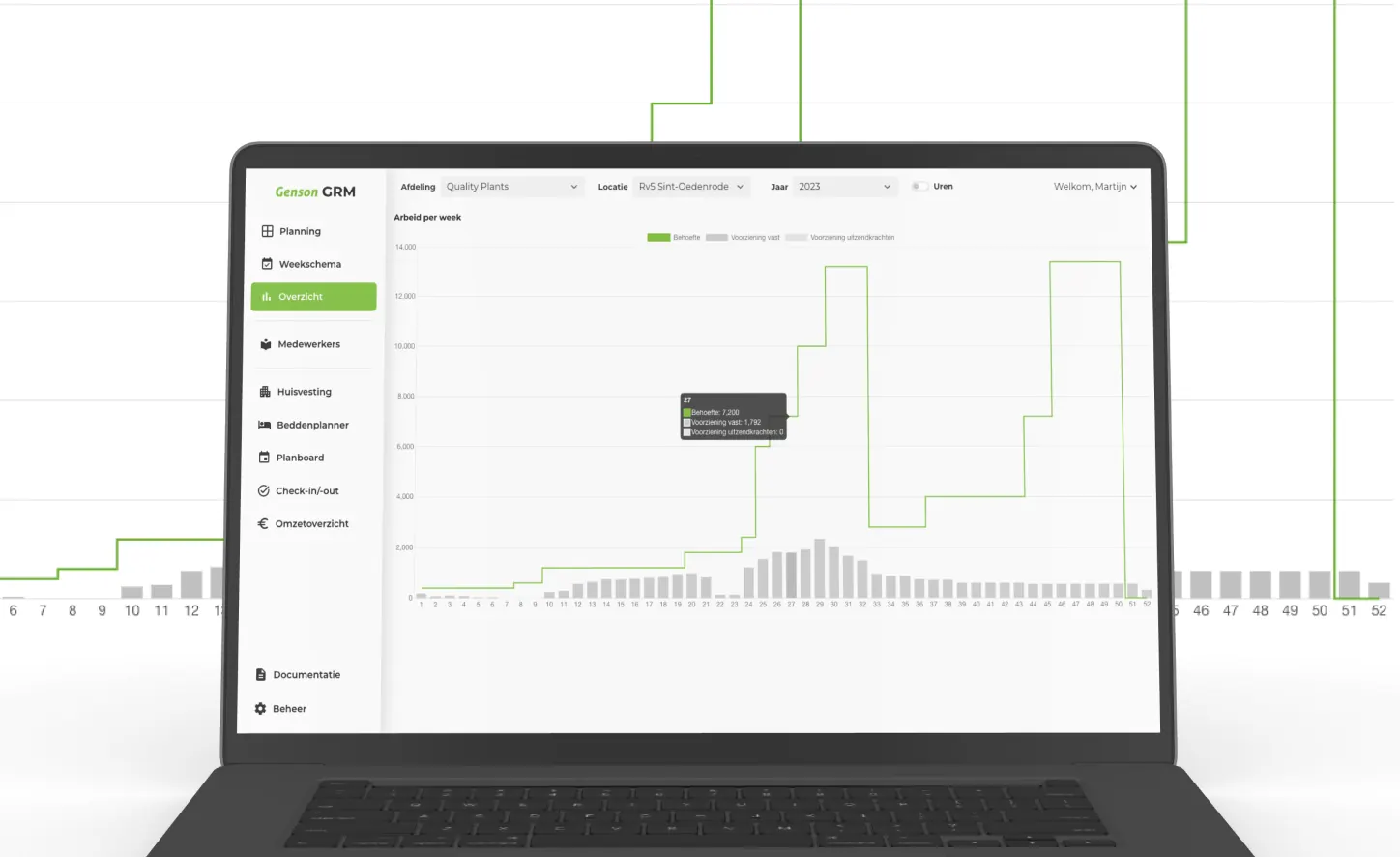
Yes, step by step. Start with an overview of plots, measures and completed work in a dashboard, so coordinators no longer work with loose Excel files. Participants can view their details and agreements and report completed work in their own member area. A newsletter keeps everyone informed. Where possible we connect to the systems you already use, so nothing needs to be done twice.
Who we work for
From independents to market leaders
- Farm shops
- Local food producers
- Fruit growers
- Dairy farms
- Livestock farms
- Arable farms
- Greenhouse growers
- Tree nurseries
- Ornamental plant growers
- Garden centres
- Recreational farms
- Alpaca and animal farms
- Pick-your-own gardens
- Farm campsites
- Care farms
- Agri-tech companies
- Agricultural machinery dealers
- Livestock housing suppliers
- Animal feed companies
- Agricultural contractors
- Nature and landscape organisations
- Agricultural nature collectives
- Landscape gardeners
- Green space contractors
Today may be the day to meet your strategic partner.




 Martijn, Noud and the rest of the team are ready for you.