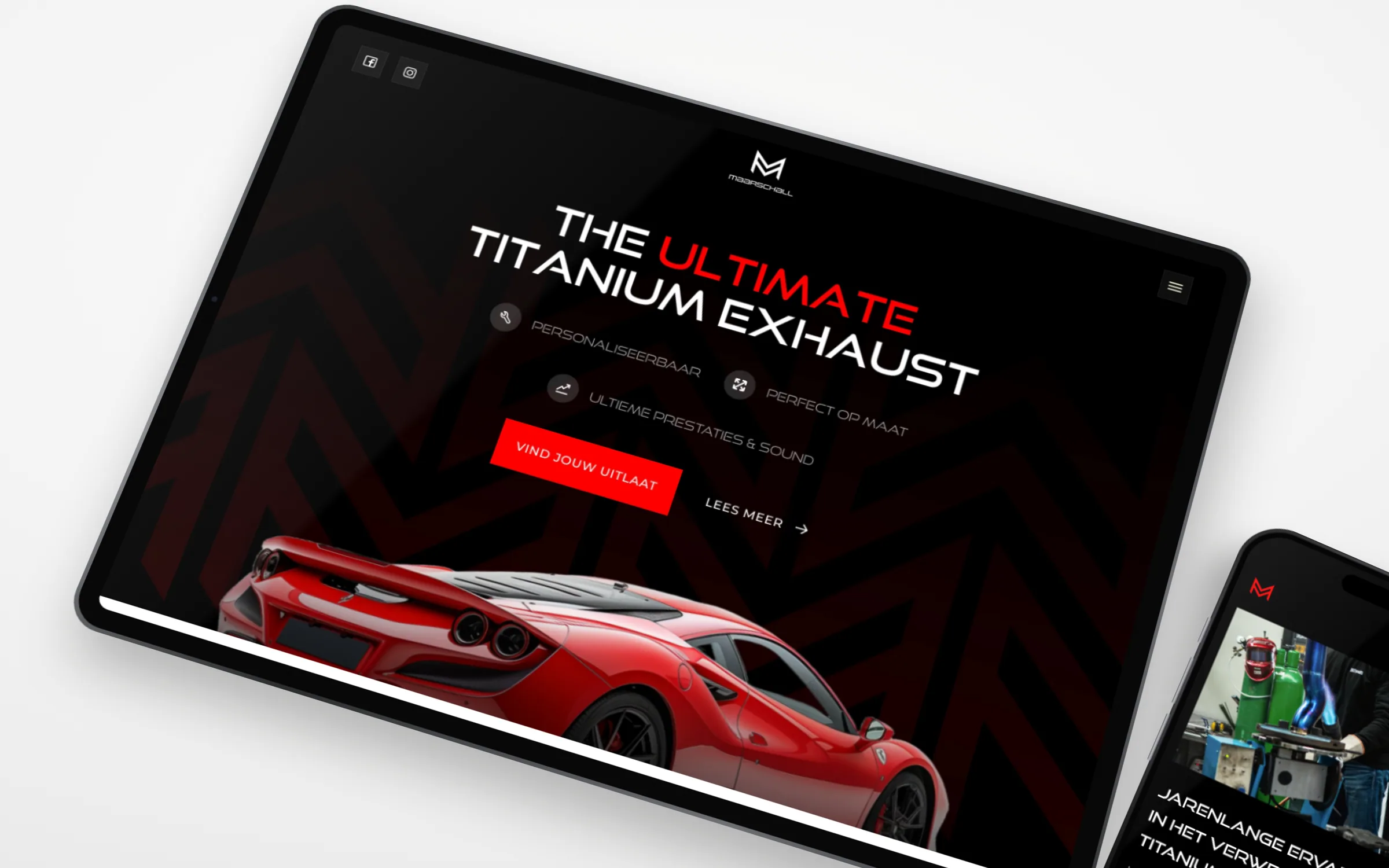
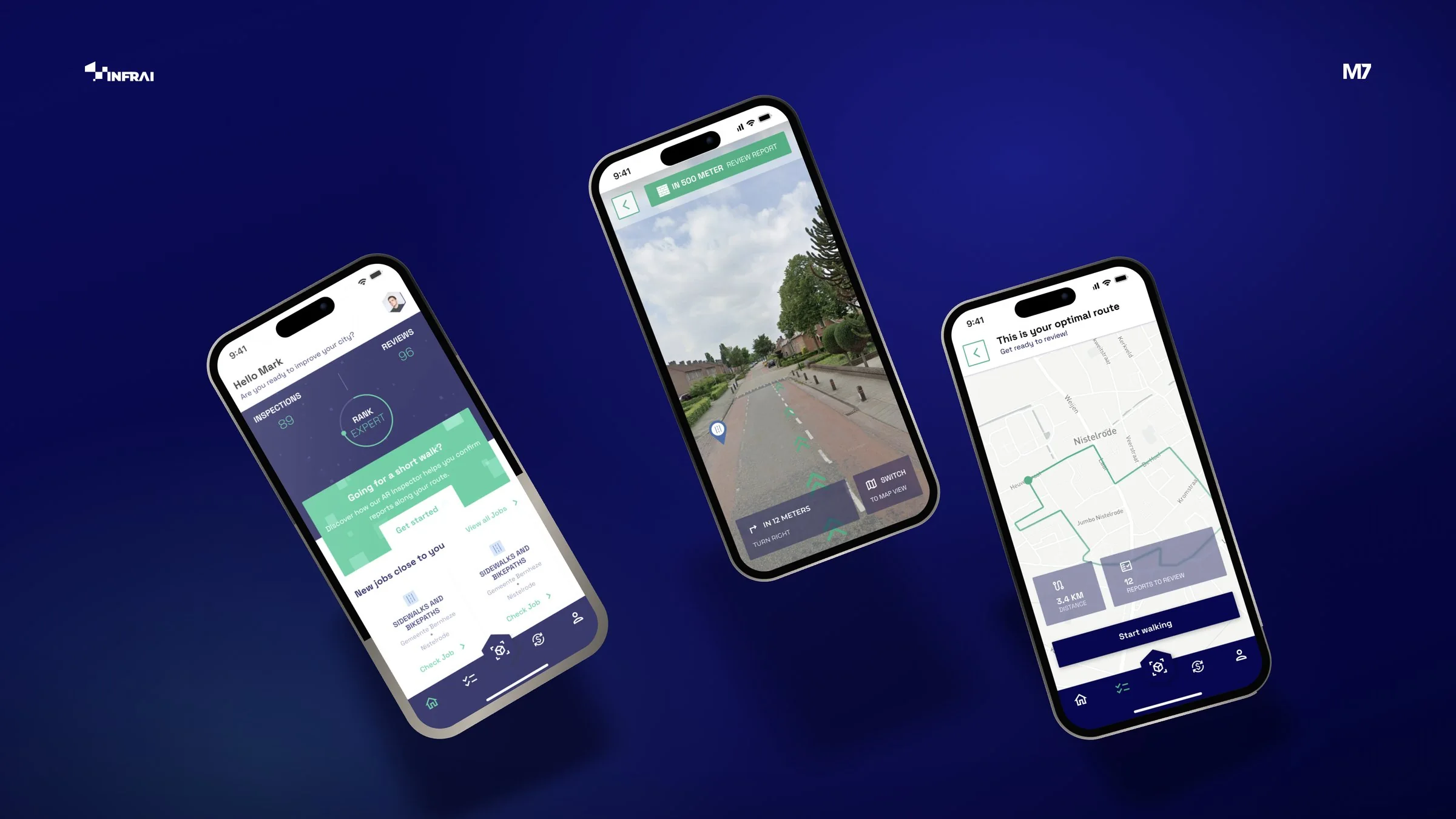








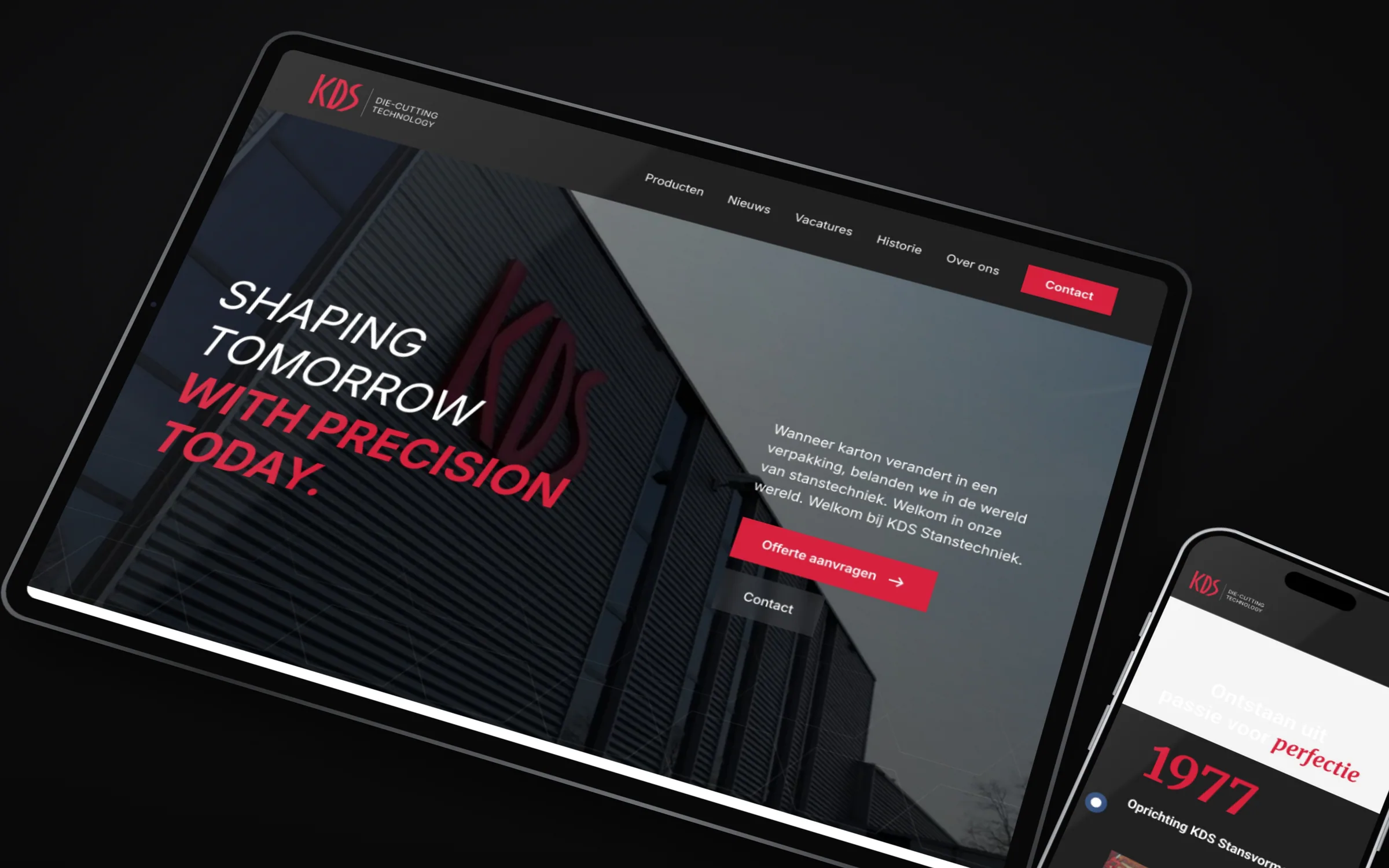
Manufacturers, machine builders and technical service providers: we translate complex engineering into a clear story, strong visuals and smart tools.






















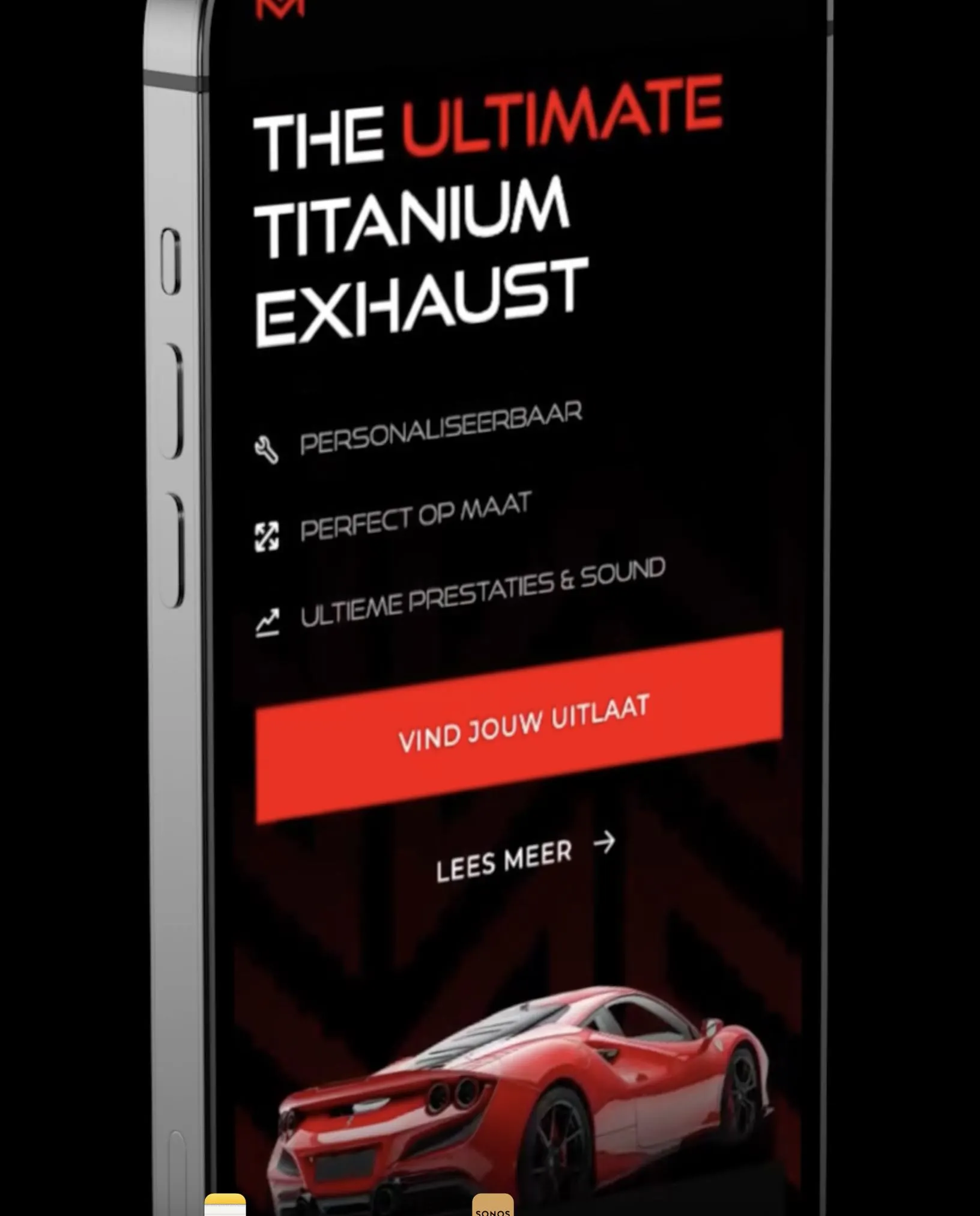
Complexproducts,madesimpletochoose.
Technical companies often make impressive products, but barely show it online. Websites are outdated, product information is hidden in PDFs and quotes take a lot of manual work. M7 helps industrial and engineering companies make their knowledge and quality visible, in the Netherlands and internationally.
We build multilingual websites, product configurators and 3D visuals that help customers understand complex products and configure them themselves. With client portals and API connections to your ERP or CRM we streamline orders and service. And with employer branding, trade-show materials and LinkedIn campaigns you attract both new customers and technical talent.
Challenges in this sector
What we often see.
Explaining complex products
Technical specifications are hard to grasp. With 3D visuals, animations and infographics you show at a glance how your product works.
Custom work and quotes
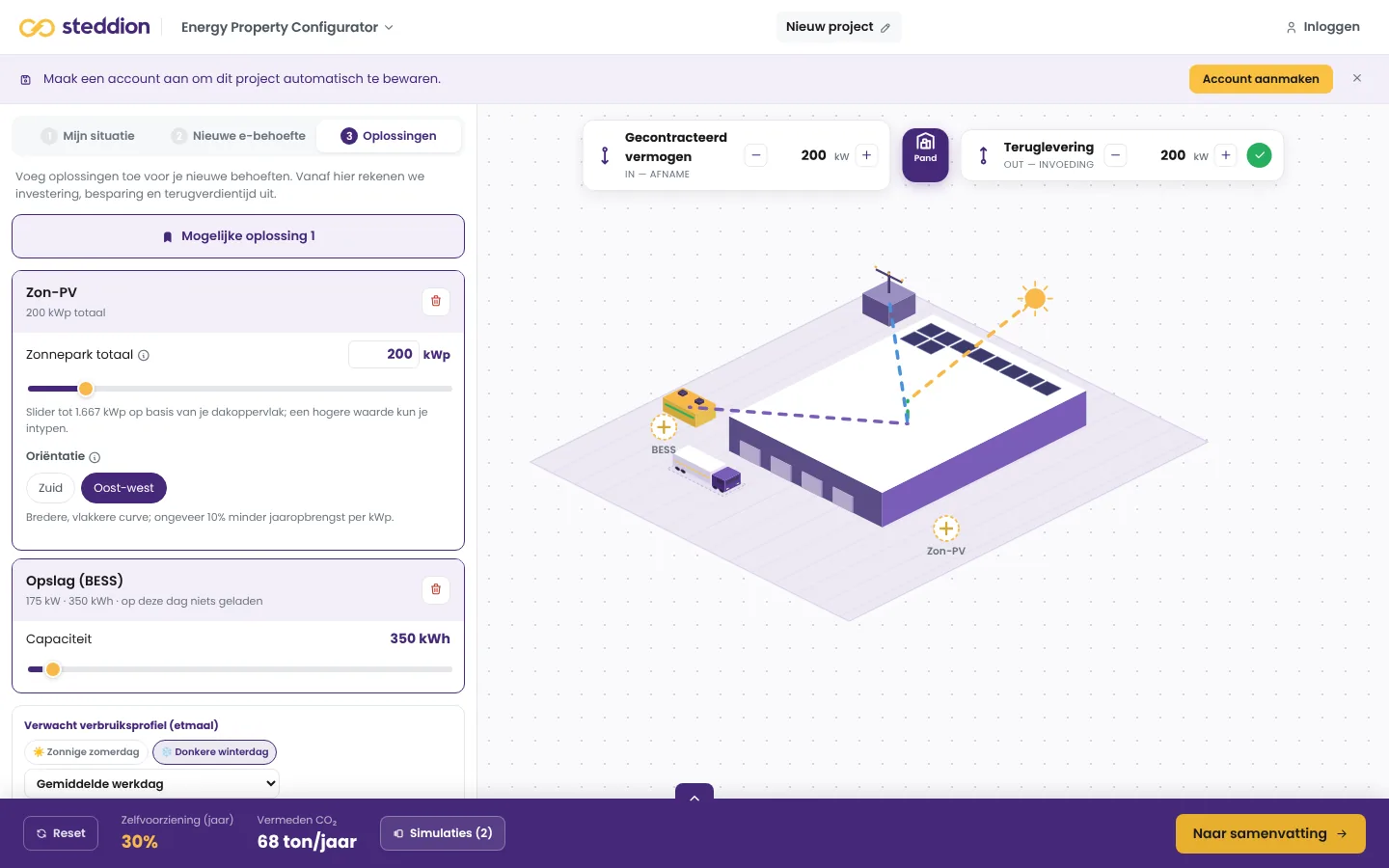
Every order is different. With a product configurator or 3D configurator customers configure their own product and you receive complete, accurate enquiries.
International markets
Your customers are all over the world. A multilingual website with international SEO makes you findable and understandable in every market.
Finding technical talent
Skilled engineers are scarce. With employer branding and targeted campaigns you show why they should want to work for you.
Relevant services
How we help
Frequently asked questions
Frequently asked
Can you use our CAD models for 3D visuals?
Yes. We work with existing CAD or 3D files and turn them into renders, animations or an interactive 3D configurator for your website.
Can a configurator be connected to our ERP or CRM?
In most cases, yes. Through API connections we pass configurations, prices and enquiries on to your ERP or CRM, such as Odoo or HubSpot, so your team can pick them up right away.
Do you build multilingual websites for international markets?
Yes. We build multilingual websites with attention to translations, international SEO and the right technical settings per language and country.
Do you also help recruit technical staff?
Yes. With employer branding, a careers website, corporate films and targeted campaigns on social media and LinkedIn we help you attract skilled professionals.
For manufacturers, metal and plastics processors, sheet metal shops, subcontractors and makers of their own products, from job shop to series production. Everything for manufacturing
How do I show what we can do as a subcontractor?
Buyers and engineers want to know quickly whether you fit their requirement. So show what you do and with what: processes, materials, tolerances, batch sizes, machinery and certifications. Ideally each technique gets its own page, with photos of real parts and a short case. It sounds dry, but it is exactly what someone needs who has to find a supplier by this afternoon. A good photo shoot in your own workshop finishes it off.
Can customers request a quote through the website and attach their drawing?
Yes. A good request form lets customers upload drawings and 3D files, such as STEP, DXF or PDF, and asks straight away for material, quantities and desired lead time. That saves your work planners three rounds of follow-up emails. The request can land directly in your CRM or ERP. For standard products a configurator with a price indication goes one step further, but even a smart form saves a lot of back and forth.
How do you shoot photos and video in our production without bringing it to a halt?
By planning it well together. We agree upfront which machines, people and products need to be in shot and when it causes the least disruption. We work with a compact crew, follow your safety rules and stay out of the way. Often we film during production on purpose, because running machines and skilled people at work make the best footage. You use the result for your website, a corporate film, trade shows and job ads.
How do I get found for specialist search terms?
Someone searching for 'laser cutting stainless steel small batches' or 'CNC milling aluminium prototype' usually knows exactly what they want. Those searches have little volume but plenty of buying intent. We map which terms belong to your processes and write pages that answer them properly, with specifications and examples. With technical SEO we make sure Google and AI assistants can read those pages well. No tricks, just expertise that can be found.
How do I make sure quotes do not get forgotten?
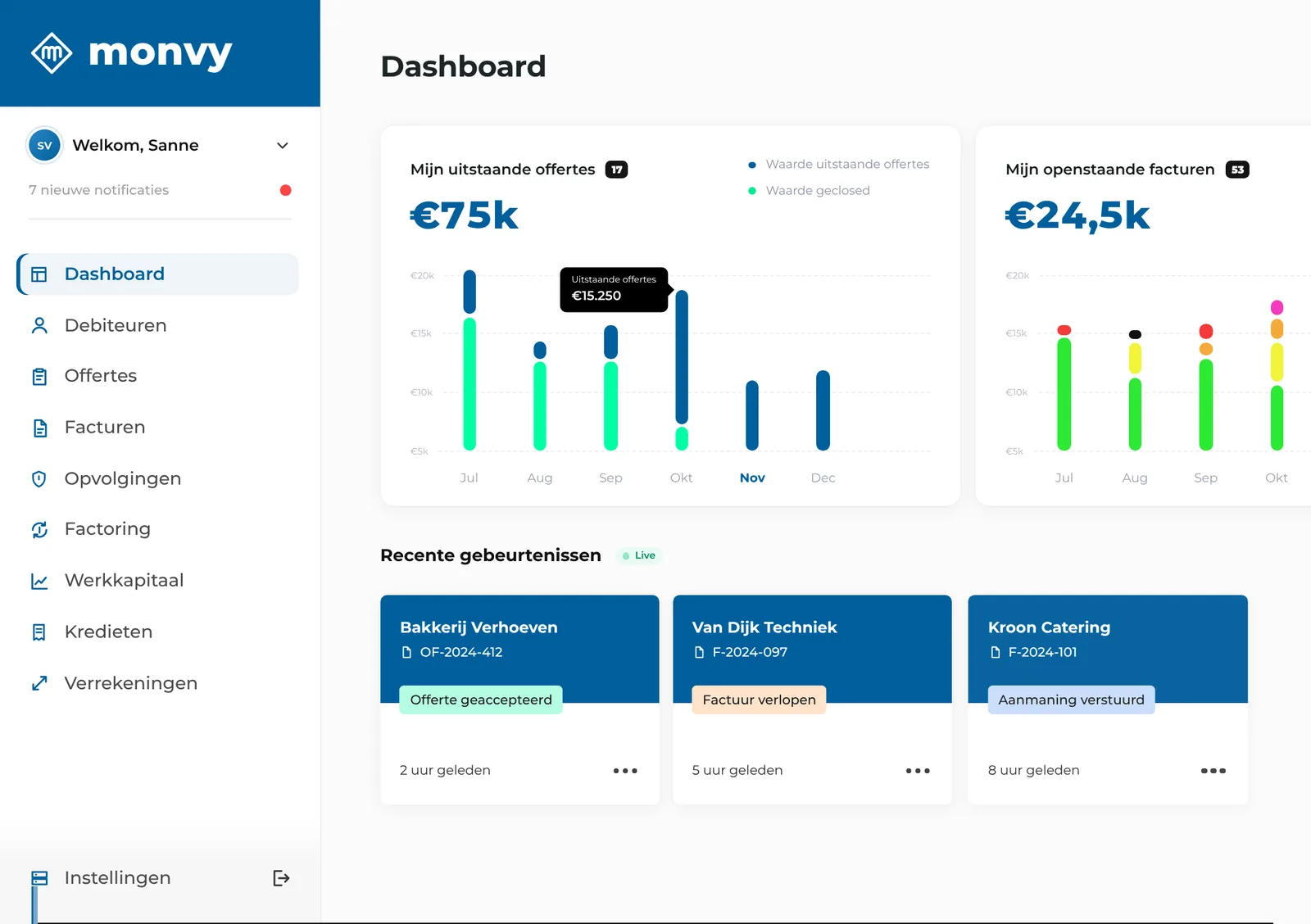
In a busy production environment, follow-up easily slips. With a CRM you see which quotes are outstanding, what they are worth and when action is needed. An automatic reminder for your sales rep, or a friendly email to the customer after a week or two, means you do not depend on anyone's memory. The CRM can often be linked to your ERP or estimating software, so nothing is entered twice.
What can AI concretely do for a manufacturing company?
Mainly taking repetitive work around production off your hands. Think of reading enquiry emails and attachments and preparing them for work planning, drafting product texts and datasheets, or an internal assistant that answers from your own work instructions. With an AI agent this happens within your existing systems, with a person checking the output. We start with one process that takes a lot of time, measure what it delivers and only then build further.
How do I present certifications and quality convincingly?
A row of logos at the bottom of the page tells a buyer very little. Instead, briefly explain what a certification means for the customer: which processes are assured, how you measure and what happens when something deviates. Show your measuring room, inspections and traceability with real photos. Offer the certificates themselves as downloads, so a buyer can add them straight to their supplier file. A clear brochure with the same information helps after a first meeting.
For machine builders, equipment manufacturers, OEMs and suppliers of production lines, robotics and industrial automation. Everything for machine building
How do I explain a complex machine to someone who is not an engineer?
Start with the problem the machine solves, not the specifications. The operations director wants to know what it delivers; the engineer will dive into the details afterwards. A short animation that shows the process in a minute often does more than ten pages of text. Below that, you lay out the technology clearly per application. That way you serve both readers without losing either of them.
What does a machine builder gain from a 3D configurator?
A machine with dozens of options is hard to sell from a PDF. With a 3D configurator customers choose the version, dimensions and options themselves, and see right away what that means. For your sales team and dealers it is a demo tool that is always up to date, at a trade show or on site with the customer. You receive enquiries with a complete configuration, instead of a vague request for 'more information'.
Can you build a portal for service, spare parts and manuals?
Yes. In a customer portal customers see the manuals, service history and matching parts per machine, and order spare parts without picking up the phone. Faults can be reported with photos and the serial number, so your service team knows right away what is going on. The portal can pull data from your ERP or service system. That way the customer relationship keeps paying off after the sale, and your inside sales team gets far fewer calls.
How do I get more out of a trade show?
By not treating it as a one-day event. Beforehand, you invite customers with a targeted email and a landing page. On the stand, a running machine or a 3D animation on a big screen draws attention, and visitors scan a QR code to take information with them. Afterwards, a thank-you email with exactly what they looked at goes out automatically. We design the trade-show stand and set up the follow-up, so you leave with more than a pile of business cards.
How do I build a website that works for dealers in several countries?
With one central foundation and room for each country. Product information, specifications and downloads are managed in one place and appear in every language, while dealers or branches get their own contact details and news. A dealer locator on a map helps end customers find the right partner. With a good multilingual website you avoid every country ending up with its own outdated version. And your dealers no longer have to email for the latest brochure.
How do I keep a prospect engaged during a long sales process?
By sending something useful at the right moments, not 'just checking in' every week. A case study from their industry, a video of the machine in operation or an invitation to a demo: with lead nurturing this happens automatically, matched to what someone has already viewed. Lead scoring shows your sales team who keeps returning to specifications or pricing, so they call when interest is genuinely growing. It is still people's work, just with better-timed conversations.
How long does an explainer video or 3D animation of a machine take?
For an explainer video of 60 to 90 seconds you can usually expect 3 to 6 weeks, including script, design, animation, voice-over and feedback rounds. If you have usable CAD or 3D files, they often serve as the basis, which saves time. Filming a machine in operation is quicker, but needs a moment when it is running and looks its best. We often combine both: real footage for trust, 3D for what you normally cannot see.
For installation companies, electrical contractors, HVAC and heat pump specialists, and installers of solar panels and EV chargers, serving homes and businesses. Everything for installation services
How do I get more enquiries for heat pumps, solar panels or EV chargers?
Many homeowners do not know what suits their house. A product finder asks a few questions about build year, insulation and usage and gives initial advice, with an enquiry as the logical next step. You receive leads that are already half-qualified, including the details you would normally ask for on the phone. Combine that with local visibility and honest explanations of costs and subsidies, and people are quicker to choose an installer nearby.
Can customers schedule maintenance or report a fault online?
Yes. With an online form or appointment widget customers book a service visit themselves, or report a fault with photos and the type of installation. Through an integration or automation it goes straight into your planning, and the customer gets a confirmation and a reminder. That saves your office a lot of calls at the peak of the heating season, and your engineer knows in advance which part to bring.
How do I turn my company vans into moving advertising?
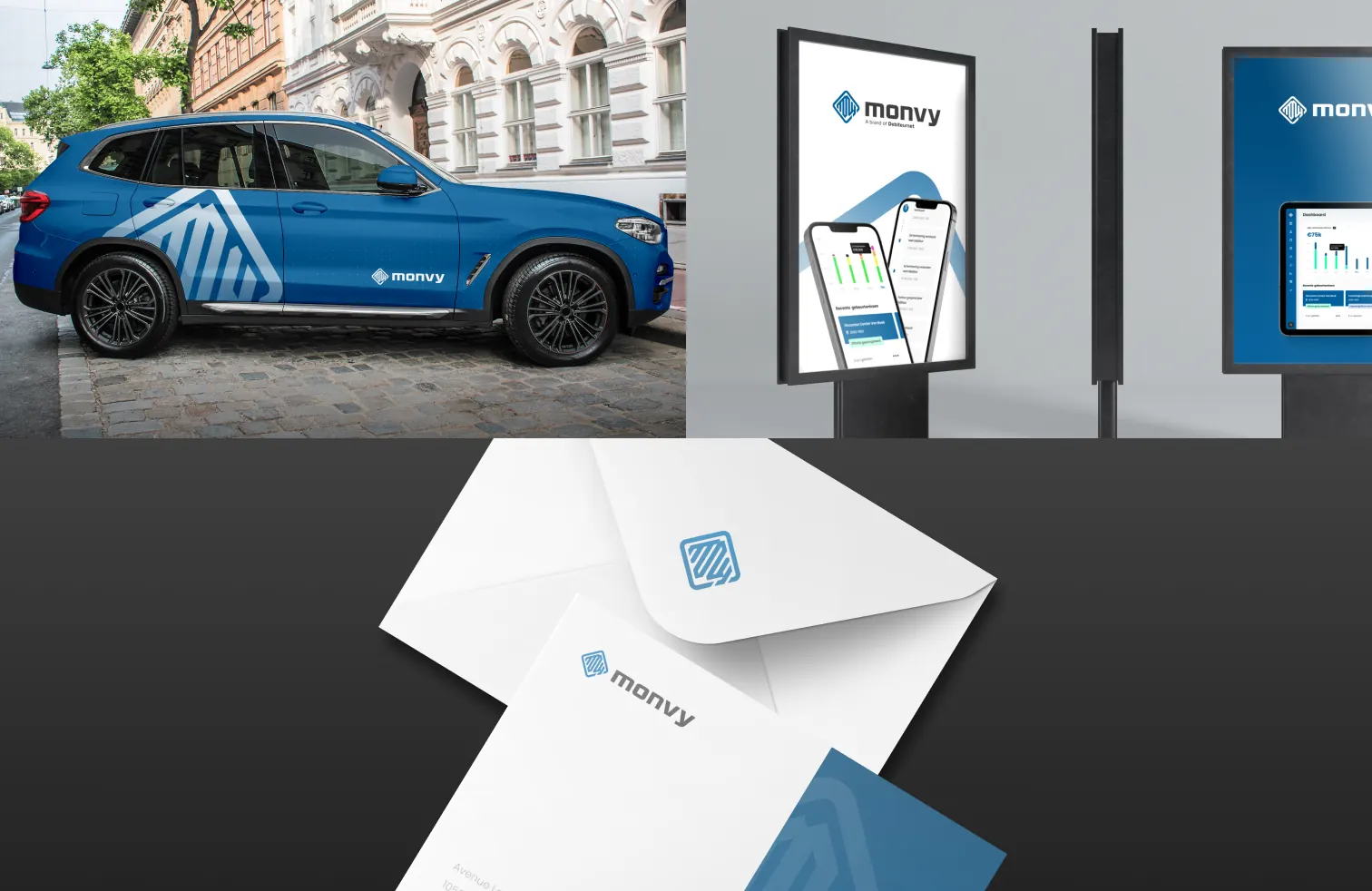
Your vans drive through your service area every day, so they reach more people than many billboards. Vehicle graphics work best when they are simple: your logo, what you do in a few words and your website. Not ten phone numbers and a list of every brand you carry. We design the vehicle graphics in your identity, fitted to the van model, so your fleet looks tidy and recognisable. On the customer's driveway too.
Can business customers view their installations and inspections online?
Yes, in a customer portal. Per site they see which installations are in place, when the last maintenance took place, which inspections are coming up and which reports belong to them. They report faults with photos and location, so your engineer knows what to expect. Data can come from your planning software or service system, depending on what it allows. For facility managers with many buildings that saves a lot of email, and it gives them a good reason to stay with you.
We have made an acquisition: how do we bring the brands together?
First decide which way you want to go: one new brand, the strongest brand as an umbrella, or the names side by side with a shared endorsement. That depends on how well known each company is in its region and what customers and staff associate with it. With a well-considered rebrand you translate that choice into logo, vans, workwear, website and quotes, in phases so you do not have to replace everything in one week. And do not forget your own people: they are the first to carry the new brand.
How do I reach business customers for EV chargers or solar panels?
Business customers look at different things than homeowners: payback time, grid capacity, maintenance and who manages it all. Give each audience, such as homeowners' associations, business parks or fleets, its own landing page with examples and the questions they ask. With LinkedIn Ads you reach facility managers and business owners in a targeted way. A short check that gives an initial indication makes the step to a conversation smaller. And be honest about what is and is not possible where the grid is congested.
For engineering firms, design engineering companies, technical consultancies, inspection and testing companies and technical staffing agencies. Everything for engineering & consulting
How do you sell expertise when you have no tangible product?
By making that expertise visible. An engineering firm earns trust with projects that show which problem you solved and how, with articles that explain a tricky issue clearly and with people who are visible as specialists. That content works twice: clients read it, and search engines and AI assistants use it as a source. We help with the structure, the writing and reusing one story across your website, LinkedIn and a white paper.
How do I attract both clients and engineers as a technical staffing agency?
By building two clear routes on one website. Clients look for speed, expertise and reliability; engineers want interesting projects, development and a fair salary. Both deserve their own language and their own pages. With employer branding you show what it is like to work for you, and vacancies can be pulled in from your ATS or recruitment system if needed. That way nobody has to read through the other group's story.
Does LinkedIn marketing work for an engineering firm?
For many technical B2B companies LinkedIn is where the decision-makers and specialists actually are. You can target by job title, industry and company size, which is valuable in a niche market. But it starts with substance: a project, a technical insight or a colleague explaining what they do. You then use LinkedIn Ads to get those stories in front of the right people. No guarantees, but clear insight into what it brings in.
How do I get found for specialist questions, including in AI assistants?
Clients increasingly start with a question to Google or an AI assistant, such as 'what does a structural inspection involve' or 'when do I need a noise assessment'. Those who answer clearly, factually and with sources are found and mentioned more often. With GEO and AEO we structure your knowledge pages so they read well for people and language models alike. Nobody can guarantee mentions, but you make them a lot more likely when your expertise is properly published on your own site.
Can clients view measurement data or project status online?
Yes. Instead of a monthly PDF, we build a dashboard or client environment where clients see readings, inspection results, documents and the status of their project. The data comes from your own systems, measuring equipment or spreadsheets, depending on what is available. With permissions per user you decide who sees what. That saves your team questions, and it shows your work as it happens.
Can AI help with writing reports and proposals?
Yes, as a tool rather than a replacement for the engineer. An AI agent can turn inspection notes, photos and readings into a first draft in your standard format, or prepare standard texts for a proposal. The specialist checks, adds and remains responsible. We assess upfront which data may and may not go to an AI service, and set it up so confidential project information stays secure.
For technical wholesalers, distributors, importers and suppliers of components, tools, fasteners and industrial supplies. Everything for technical wholesale
Do I need a B2B web shop or is an online catalogue enough?
That depends on how your customers order. If they often reorder the same items, a B2B web shop with customer-specific prices, volume discounts and ordering on account saves a lot of time, for them and for your inside sales team. If it is more about advice, a good catalogue with a quick quote request is sometimes smarter. A web shop can connect to your ERP, for example Exact or AFAS, so stock and prices stay accurate. We work that out together upfront.
How do I make thousands of products with specifications easy to navigate?
With a good data structure and filters that match how your customers search: by size, material, standard or application. Ideally product data comes from one source, such as your ERP or a PIM, so you are not maintaining it in three places. With structured data Google and AI assistants also understand better which specifications belong to which product. That way an engineer on a phone finds that one washer in a few taps, instead of leafing through a thick catalogue.
Can regular customers order, reorder and view invoices themselves?
Yes, in their own customer portal. Customers see their order history, reorder with one click, download invoices and delivery notes and track the status of their deliveries. Several colleagues at one customer can each have their own login with personal permissions, so the buyer approves what the engineer puts in the basket. That saves your inside sales team a lot of 'could you resend that invoice' emails.
How do I get thousands of product descriptions in order?
Start with the data, not the texts. Make sure specifications, sizes and standards per item are complete and consistent, ideally in one source such as your ERP or a PIM. Then AI can write a first description per item based on that data, in your own tone and tailored per product group. Your team spot-checks and improves the most important groups by hand. That gets you much further than writing everything manually, without invented specifications.
Can we automatically remind regular customers to reorder?
Yes. Based on order history you can see roughly when a customer will need a consumable again, and send a timely reminder with a direct reorder link. With marketing automation that happens on its own, linked to your web shop or ERP. Customers who have not ordered for a while get a personal message from their regular contact. Not spam, but the service your inside sales team would otherwise provide by phone.
How long does it take to build a B2B web shop with an ERP integration?
That mainly depends on your product range, the quality of your product data and the integrations your ERP offers. A shop with a manageable range and a standard integration goes live sooner than one with tens of thousands of items, customer pricing and several warehouses. So we start with a short inventory of data and systems, then build in phases: first ordering for regular customers, then expanding. After the scoping session you receive a realistic planning.
Who we work for
From independents to market leaders
- Manufacturing companies
- Machine builders
- Equipment manufacturers
- Metalworking companies
- Sheet metal fabricators
- Steel construction companies
- Plastics processors
- Subcontract manufacturers
- Industrial automation companies
- Robotics integrators
- Installation companies
- Electrical contractors
- HVAC companies
- Solar energy companies
- Engineering firms
- Technical consultancies
- Inspection and testing companies
- Technical staffing agencies
- Technical wholesalers
- Distributors and importers
- Food and process engineering companies
- Agritech companies
- Industrial maintenance companies
Today may be the day to meet your strategic partner.




 Martijn, Noud and the rest of the team are ready for you.