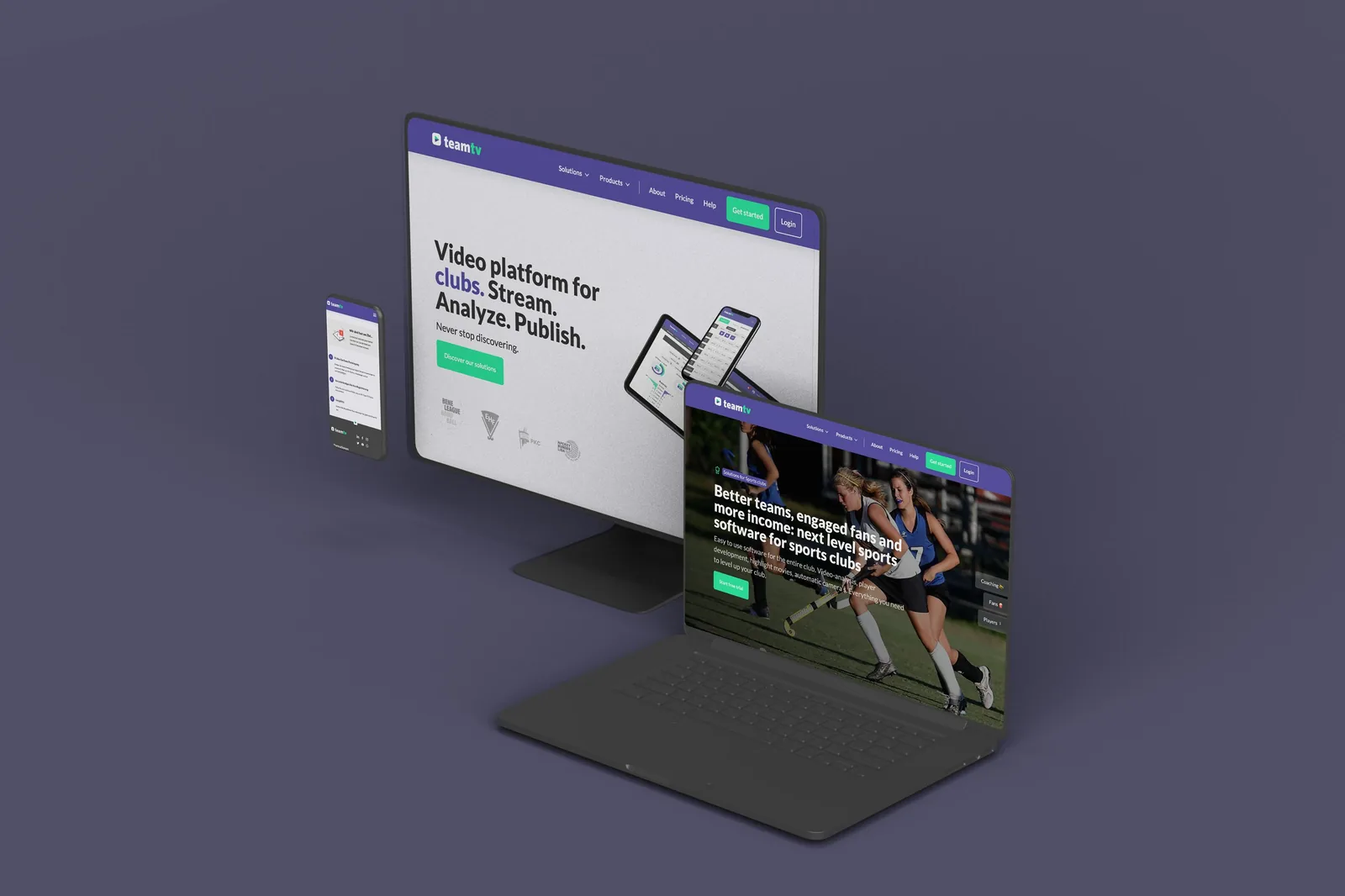
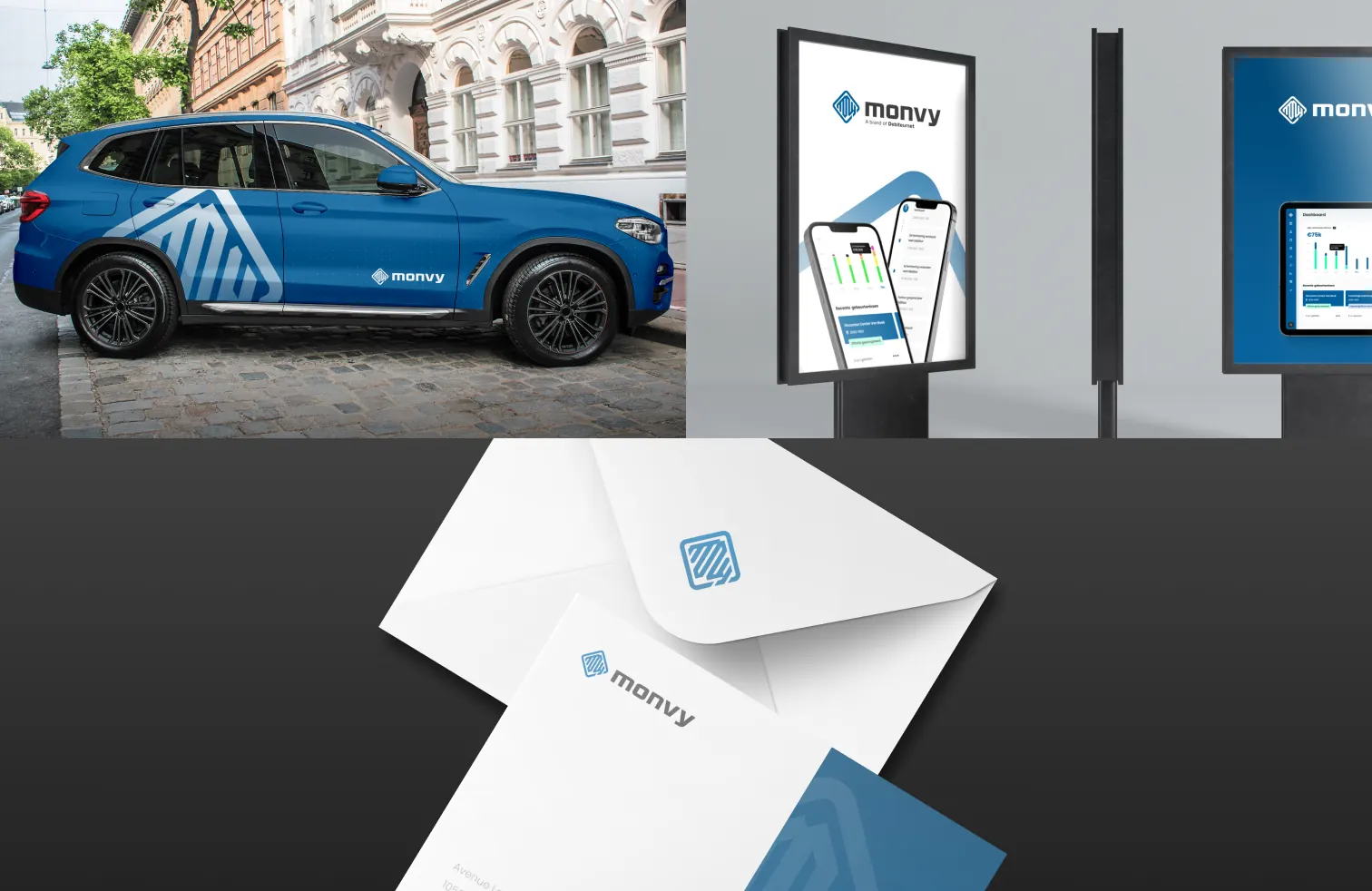
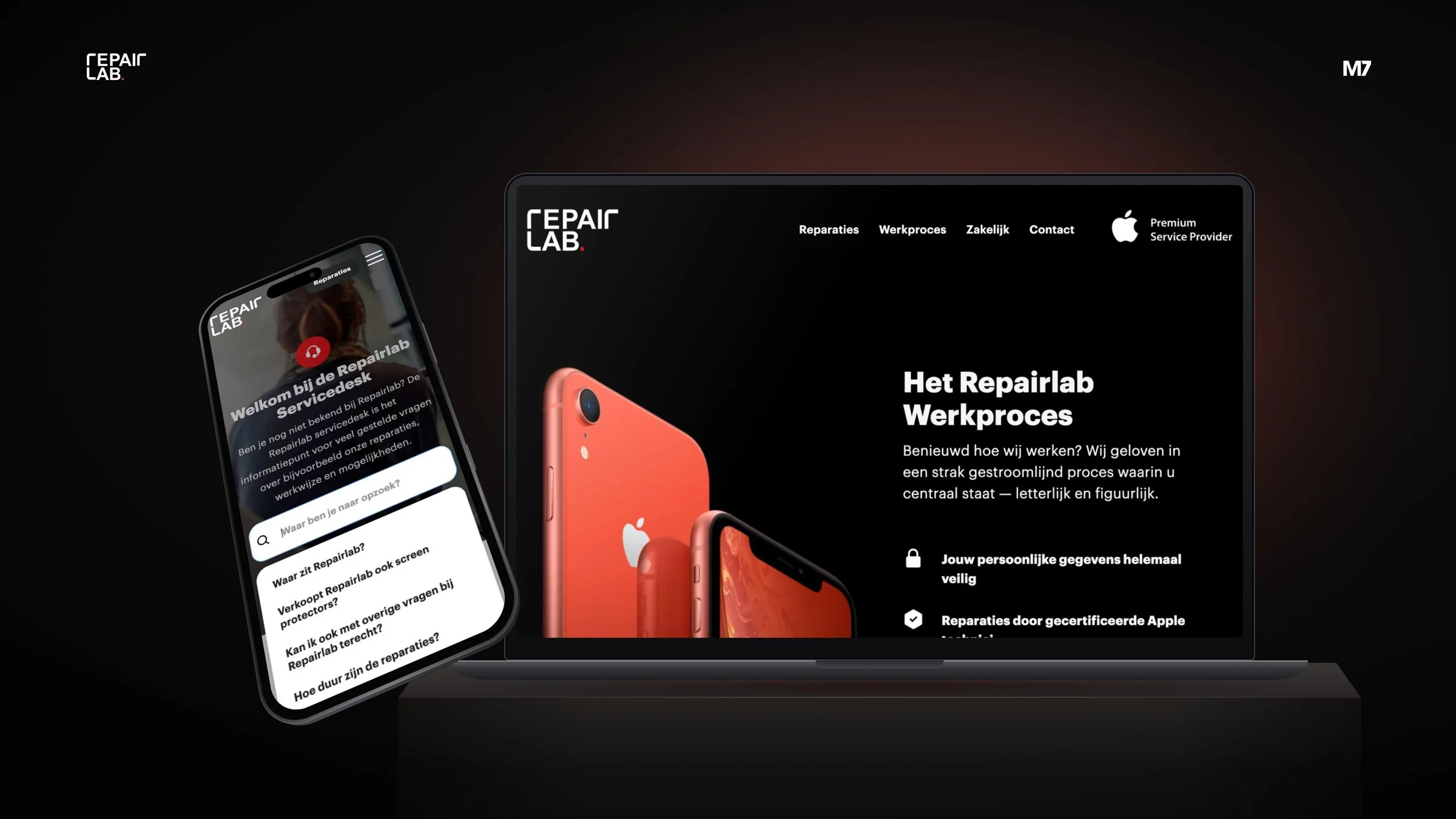
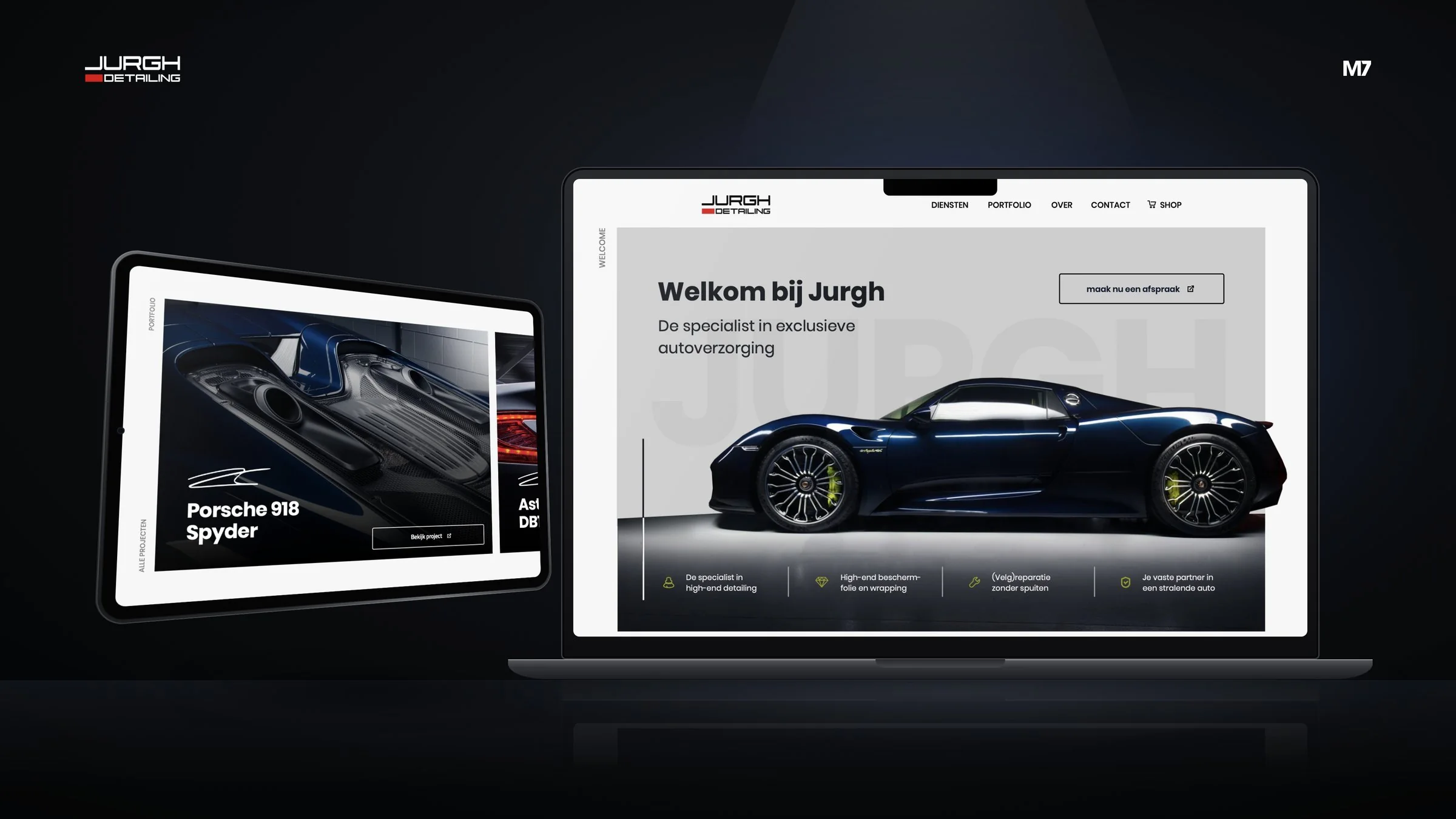








Sometimes you do not want to plan for months, but quickly find out whether an idea works. In a design sprint we go with a small team from question to sketches, decisions, a realistic prototype and feedback from real users in a few days.
How a sprint works
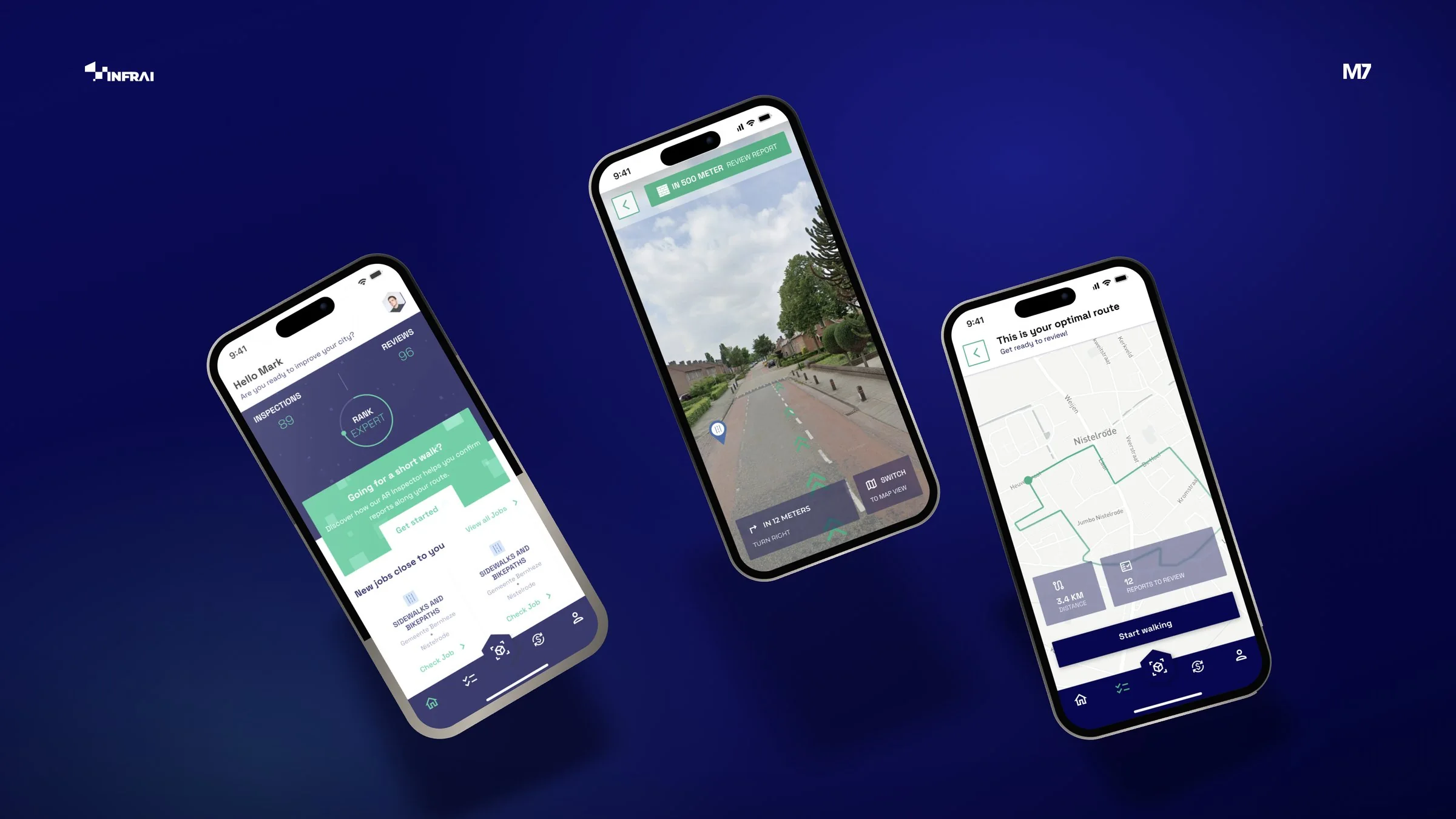
A sprint follows a fixed format. We map the challenge and the goals, gather ideas and sketch solutions. Then we pick the strongest direction and build a prototype in Figma that feels real. On the last day we test it with a few users. At the end you know whether to push on, adjust or stop.
Tailored workshops
Not every challenge needs a full sprint. That is why we also run shorter workshops, such as a kick-off, stakeholder workshop, customer journey session or prioritisation session. At our office in Nistelrode, at your location or online in Miro. Always with a clear question beforehand and concrete outcomes afterwards.
Why it works
Why it works.
Fast clarity
In a few days you know whether an idea works.
Less risk
Test before you invest in building.
Together
All the key people at one table.
Tools & platforms
How long does a design sprint take?
A classic design sprint takes five days, but we also work with more compact versions of three to four days. Some preparation is needed beforehand, such as scheduling test users.
Who should take part?
A small team of five to seven people with different roles, such as a decision-maker, someone who knows the customer well, someone from tech and someone from marketing or sales. We take care of facilitation, design and the prototype.
What happens after the sprint?
That depends on the outcome. If the idea works, you use the prototype as the basis for the user stories and the build. If it does not, you have learned in a few days what would otherwise have cost you months.
Today may be the day to meet your strategic partner.




 Martijn, Noud and the rest of the team are ready for you.