







Interior architects, interior builders, showrooms, kitchen stores and contract interior companies: we give your designs and craftsmanship a stage as polished as your interiors.






















In interiors you sell something people need to feel: materials, light, atmosphere and craftsmanship. That is hard on a screen, and the screen is exactly where customers start these days. M7 helps interior architects, interior builders, showrooms, kitchen and bathroom specialists and contract interior companies convey that experience online and on paper as strongly as in real life.
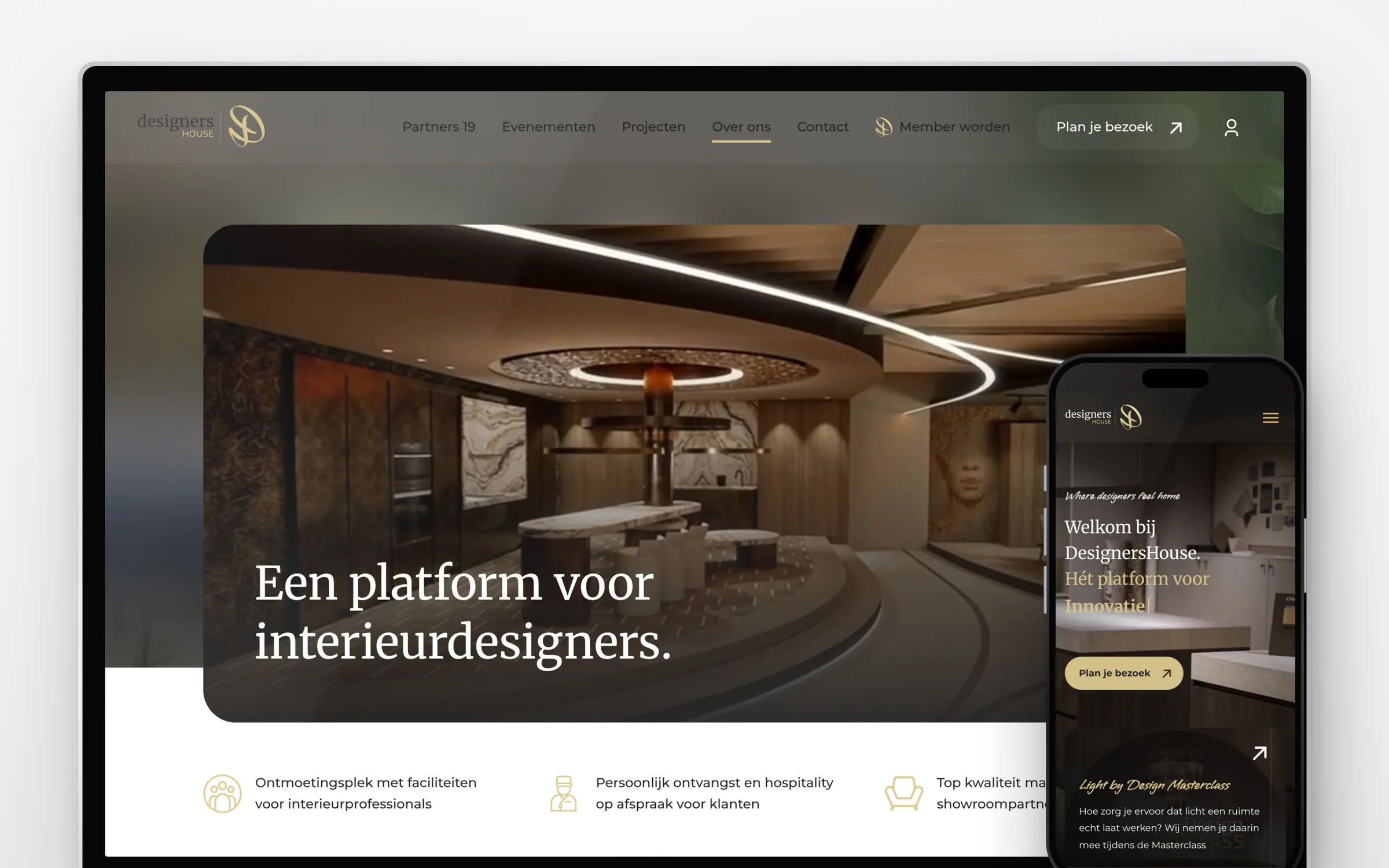
We develop brands and brandbooks, such as for interior experience centre DesignersHouse, build portfolio and showroom websites and create 3D visuals of spaces that do not exist yet. With configurators, product finders and an online appointment planner customers arrive prepared, and with local SEO and targeted campaigns both consumers and professionals find you more easily.
Challenges in this sector
What we often see.
Conveying atmosphere on a screen
You only feel materials, light and detail in real life. With good photography, 3D visuals and calm web design the experience comes across online too.
Every project is different
Custom work does not fit in a single product shot. Project stories and a portfolio per type of space show what you can do and how you think.
From inspiration to appointment
People collect ideas for months. With a product finder, configurator or appointment planner you make the step to a conversation small.
Serving consumers and professionals
An end customer looks for inspiration, an architect looks for a reliable partner. Your brand and website make both routes clear.
Relevant services
How we help
Popular applications
Frequently asked questions
Frequently asked
Do you create 3D visuals of interiors?
Yes. Based on your floor plans, designs or 3D models we create photorealistic renders of spaces that do not exist yet. Materials, light and furniture look the way they will, so a client can choose with confidence. For showrooms and collections we also create mood images for your website, brochure and social media. Your own design software stays the workhorse, we turn it into images that sell. Read more under 3D visualisation.
Can you build a website for a showroom or interior store?
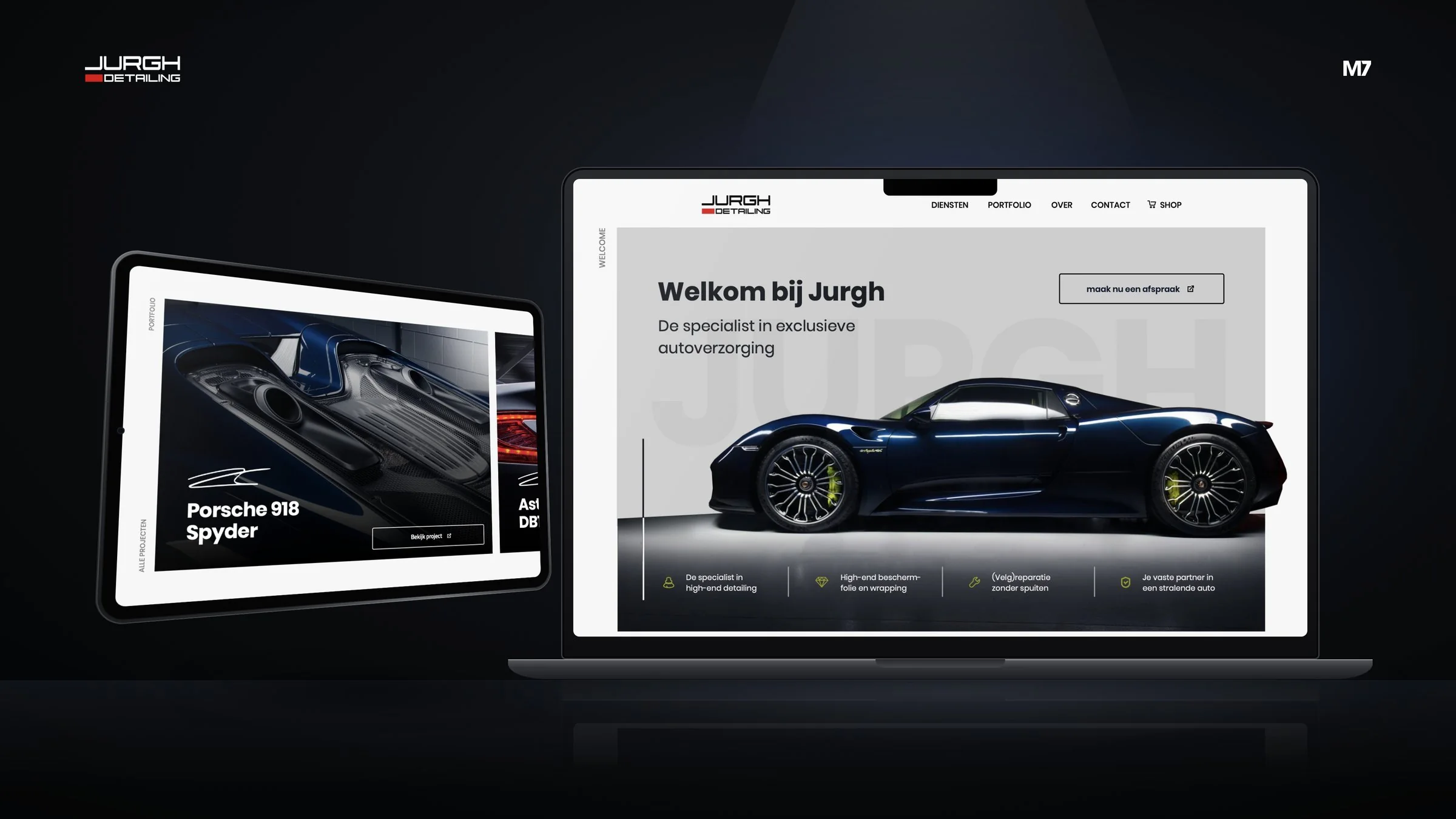
Definitely. A good showroom website shows collections, brands and atmosphere and has one clear goal: a visit or an advice session. That is why we put opening hours, directions and an easy way to book an appointment front and centre. If you also want to sell online, accessories or samples for example, a web shop can be added. You manage everything yourself, so new collections and promotions are online quickly. Your website then works as the calling card of your showroom.
Do you also work for interior professionals with mainly business clients?
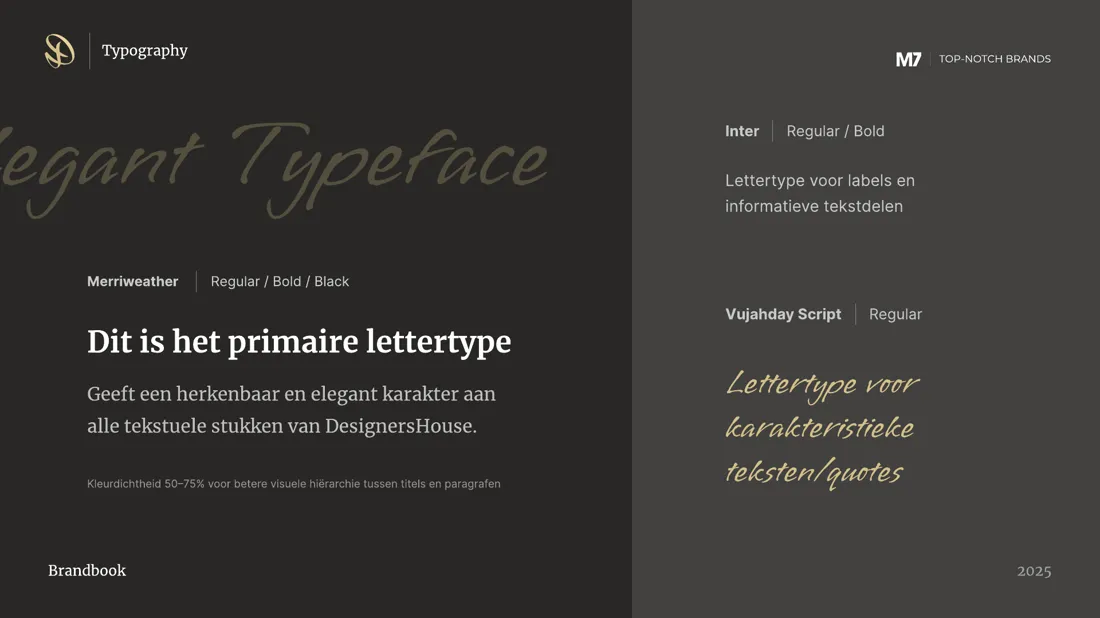
Yes. Contract interior companies, interior builders and designers who work for architects, contractors or businesses need a different story than a store for consumers. It is about references, approach and reliability. We create business websites, reference presentations and LinkedIn campaigns that show what you can do. For DesignersHouse, an interior experience centre for interior professionals, we built the entire brand around that professional, from brand strategy to brandbook.
Do you also design brandbooks and print for interior brands?
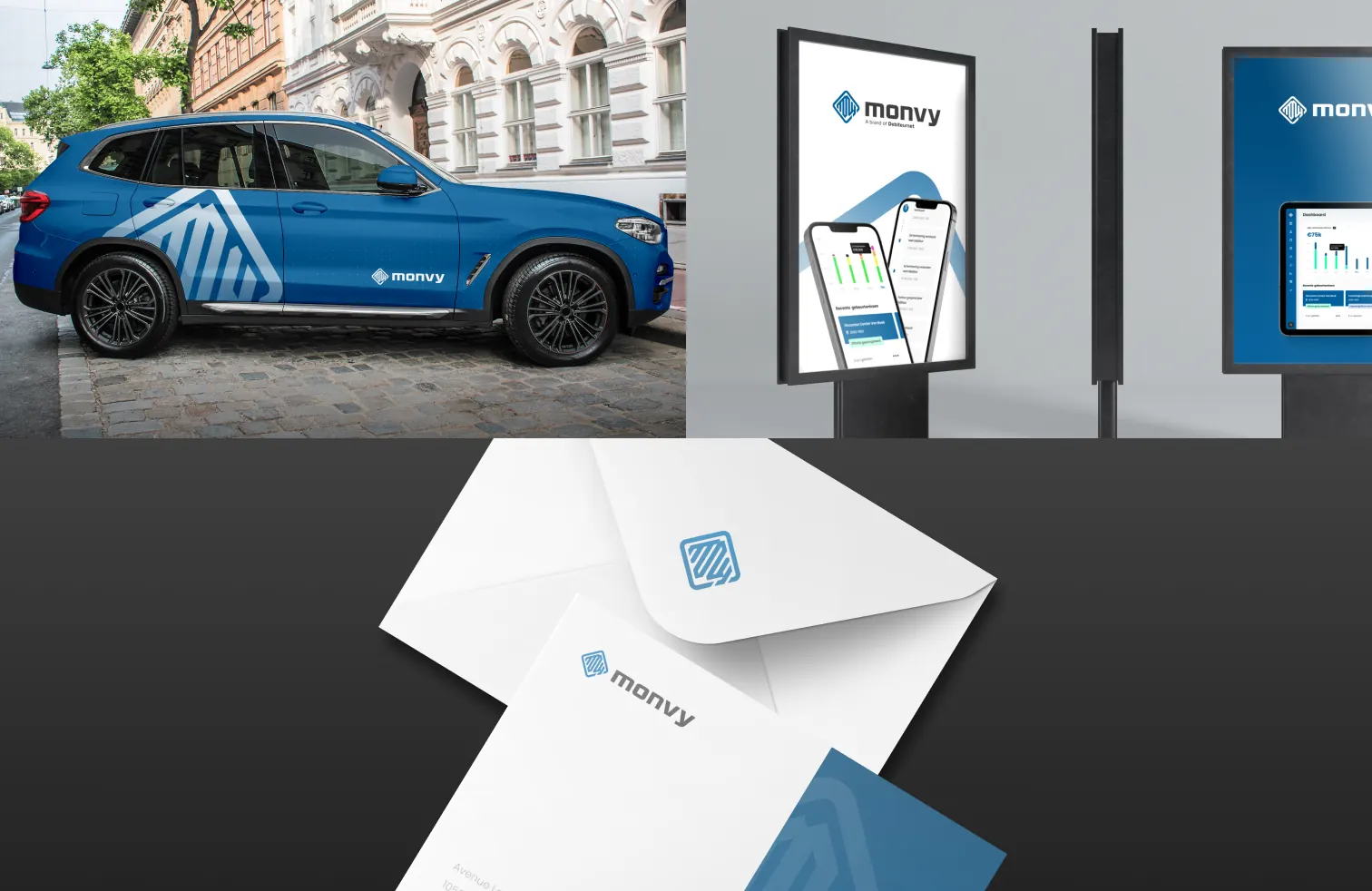
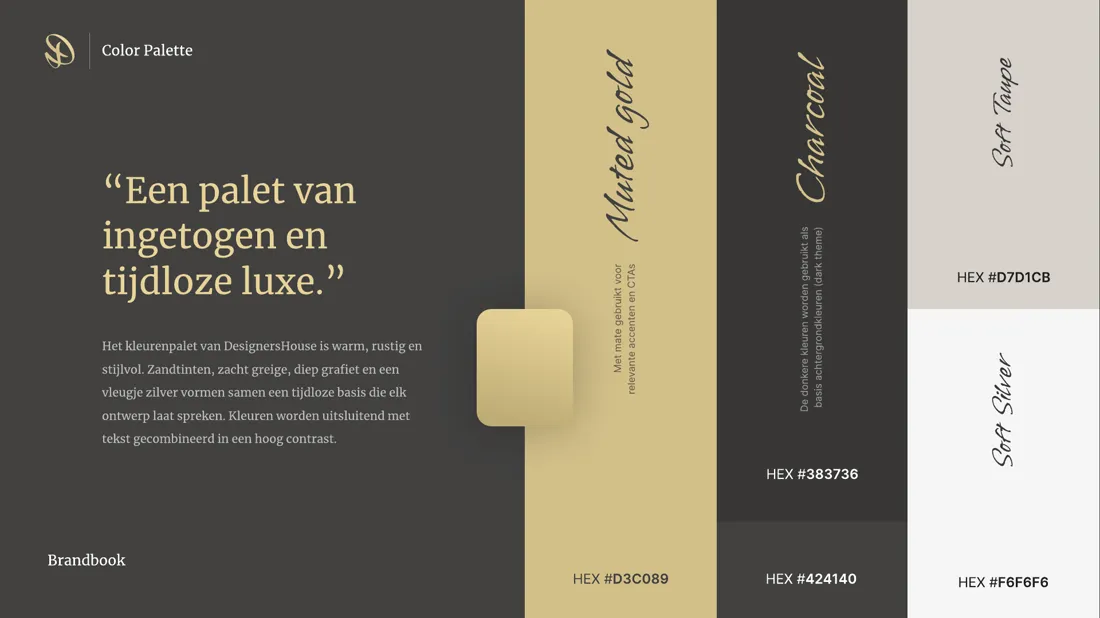
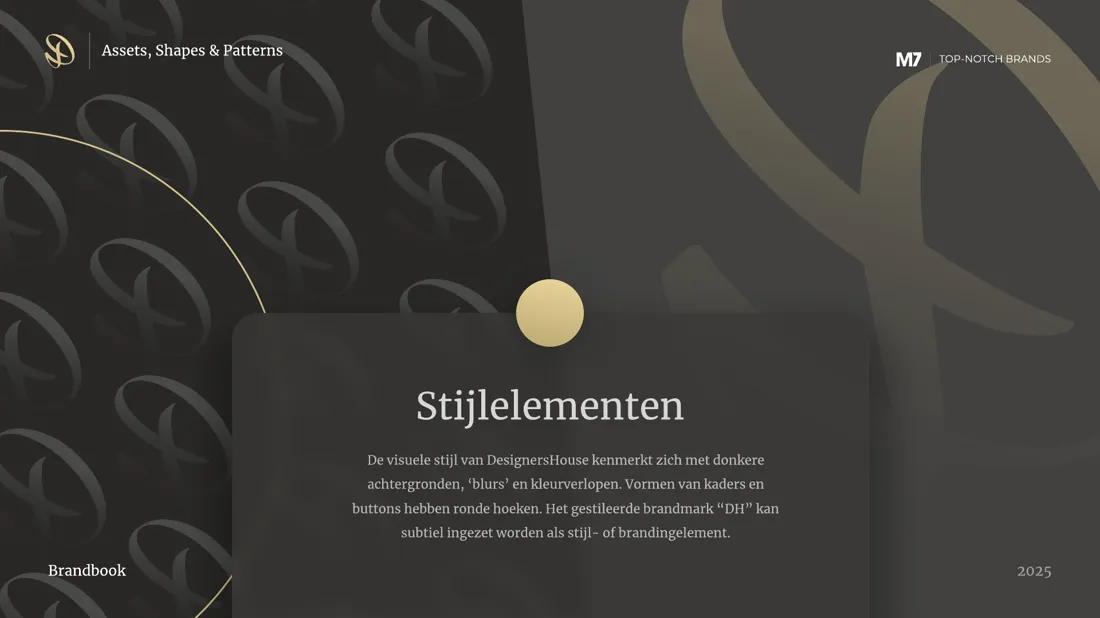
Yes. An interior brand lives on details, so we capture them: logo, colours, typography, image style and how all of that returns on the facade, in the showroom, on quotes and on social media. For DesignersHouse we created such a brandbook, from brand strategy to style elements. We also design lookbooks, brochures, sample cards and signage, and can take care of the printing. That way everything your client holds in their hands feels like one brand.
For interior architects, interior designers, stylists and design studios, working for private and business clients. Everything for interior architects
What does a good website for an interior architect look like?
Calm, image-led and personal. Your projects are the proof, so they get room: large photos, a short note on the client's request and the choices you made. Also show how a project runs, from first meeting to completion, and roughly what it costs to get started. Clients choose a designer they trust, so your face and your story deserve to be visible. Clear web design lets the work speak.
When is a 3D visualisation of an interior design worth it?
As soon as a client has to choose between materials, colours or layouts they cannot see yet. A moodboard sets the direction, but a render shows how that oak sits next to that natural stone in the light of a November afternoon. That prevents doubt and costly changes later. You can then use a 3D visualisation of an interior in your portfolio and on social media, even before the project is finished. Provided the client agrees, of course.
How do I find clients who match my style as an interior designer?
By choosing clearly what you stand for. A designer who does everything is nobody's first choice. With sharp positioning you define your style, your audience and your type of projects, and you show that consistently everywhere. Write about the questions clients ask you, share projects on Instagram and Pinterest, and team up with contractors, interior builders and showrooms that already know your kind of client. That way the right enquiries come in more often.
Can I use photos of completed projects in private homes?
Only if the client agrees, so include it as standard in your engagement letter. Leave out recognisable details, such as house numbers, family photos or a view that gives away the address. If you hire a photographer, agree beforehand where you may use the images, because copyright in principle belongs to the maker. And credit the architect or interior builder if they worked on the project; it is appreciated and sometimes earns you a link back.
How do I show what an interior design costs without a fixed price list?
Explain how you charge, even if every project is different: by the hour, a fixed amount per phase or a package for, say, a home consultation. A few example projects with their scope and approach give visitors something to hold on to. With a price indication based on space, floor area and wishes, someone gets a first idea, and you get an enquiry from someone who knows what they are starting. That openness builds trust.
Can AI help an interior architect, or does it make us redundant?
It can certainly help, and it will not make you redundant. AI is handy for quick moodboards, first mood images, copy and admin, but spatial insight, technical knowledge and the conversation with the client remain human work. Do watch what you share: clients' floor plans and data do not belong in public tools. In an AI workshop you discover with your team where it saves time, and with AI imagery you explore a direction faster.
For interior fit-out companies, furniture makers, bespoke joinery workshops, staircase builders and specialists in made-to-measure wardrobes and wall units, for homes and projects. Everything for interior fit-out & joinery
How do I show my custom work as an interior builder?
Custom work is hard to capture in a single product shot, because every project is different. So work with project stories: the client's wish, the design, the materials and the end result, photographed in good light. Details like a hidden handle or a seamless joint deserve their own close-up. On your website and on Instagram or Pinterest you build a portfolio that inspires and shows why craftsmanship is worth its price.
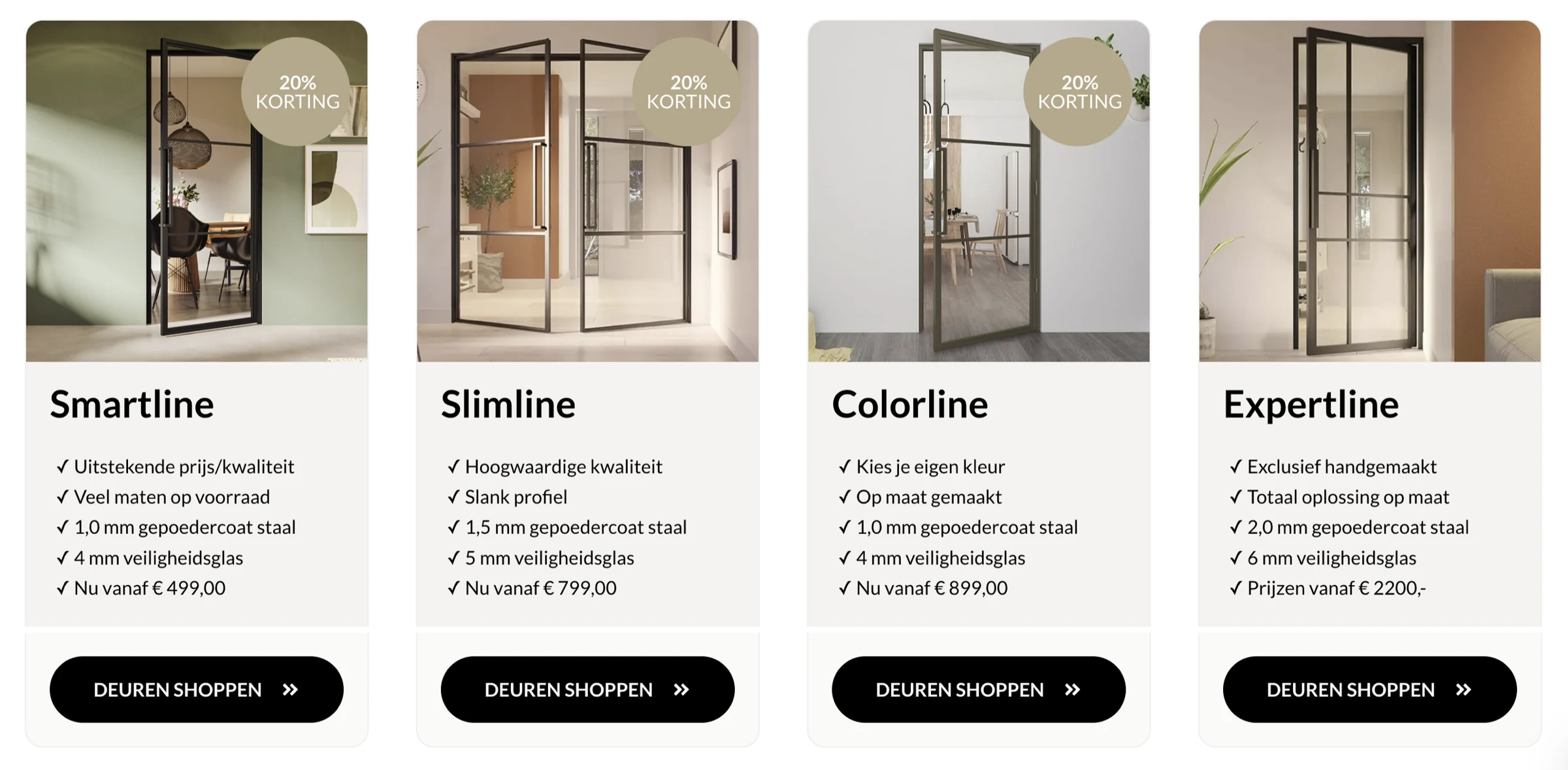
Can a customer put together a made-to-measure wardrobe or piece of furniture online?
Yes, within the limits you set. In a configurator customers choose dimensions, layout, fronts, handles and finish, and can see a price indication straight away. With a 3D configurator they can even turn the design around. The result is an enquiry with measurements and choices, instead of 'could you come round sometime?'. For true custom work the measuring stays with you, but the first conversation starts a lot more concretely.
How do I find skilled people for my workshop?
Furniture makers and interior builders take pride in their craft, so show what they work on. A short video from the workshop, stories from colleagues and photos of finished projects say more than a list of requirements. Be honest about the machinery, the variety and the room to learn. With employer branding and a careers page as polished as your interiors, you stand out to craftspeople who currently work elsewhere.
How do I work well with architects and designers as an interior builder?
By making your contribution visible. Architects and designers look for an interior builder who understands their design, thinks along about details and delivers reliably. Show that with reference projects in which both design and execution get credit, and with a reference presentation you can send after a first meeting. A business route on your website and an active LinkedIn profile help you stay on the radar of the studios you like to work with.
How do I get enquiries I can actually work with?
By asking the right questions upfront. An enquiry page per product type asks for measurements, photos of the space, preferred materials, timing and a budget indication, so you can see straight away whether a job suits you. A price indication on your site also helps visitors judge for themselves whether custom work fits their budget. That saves trips for nothing and quotes that go nowhere.
How do I get found in my region as an interior builder or furniture maker?
Make sure Google knows what you make and where. A complete Google Business Profile with regular new project photos and reviews helps in the local results. Also create pages per product, such as fitted wardrobes, staircases or made-to-measure tables, and show for each project which town it is in, for example Uden, Veghel or Den Bosch. That way you find customers who would rather have a local craftsman than a wardrobe from a catalogue.
How do I stand out at a trade fair or an open day in the workshop?
Above all, let people feel what you make: materials to touch, a half-finished piece that shows the craftsmanship and a short workshop video on a screen. A stand or signage in your own identity makes you recognisable among the rest. Ask visitors for their details and wishes on a tablet, and follow them up properly afterwards with a few emails. That way a busy day keeps paying off in the weeks after.
For interior stores, design showrooms, furniture and lighting stores, flooring and window decoration shops and interior experience centres, with or without a web shop. Everything for showrooms & design retail
What makes a good showroom website?
A showroom website has one main goal: getting people through the door. So show which collections and brands you carry, how the showroom feels and why a visit is worth it. Opening hours, directions and parking are visible straight away, and an appointment widget makes booking an advice session easy. Good photography of your own space works better than brand photos everyone uses. And you put new collections and events online yourself, quickly.
Do I need a web shop as an interior store?
Not always. For custom work, large furniture and flooring, customers usually want to feel, see and get advice first. Then a strong showroom site with an appointment option is smarter. Accessories, lighting, samples or gift vouchers, on the other hand, sell fine online. A web shop for that part of your range can run alongside the showroom, possibly connected to your till system or stock, if that system allows it. We work out together what pays off most for your store.
How do I attract interior professionals to my showroom?
By showing what you do for them. Architects, stylists and interior builders look for a place where they can bring their clients, with good samples, room to talk and people who think along. DesignersHouse built its entire brand around that idea, and we captured it in their brandbook. Give professionals their own page, invite them to events and presentations, and stay visible with LinkedIn and a newsletter featuring new collections.
How do I compete with big web shops selling the same brands?
Not on price alone, but on what a web shop cannot do: advice, experience and service. Show what you do extra, such as lending samples, measuring up, delivery and installation, and who is ready to help in your showroom. With sharp positioning and local visibility you attract the customer who values that difference. And show online what is on display in the showroom, so people know the trip is worth it.
Can I use suppliers' brand photos and product copy?
Often yes, within the terms of your dealer agreement or the brand's press kit; always check them. It is just not smart as your only source: if a hundred dealers use the same text, Google has little reason to show your page in particular. So write your own copy about how you advise on and combine a product, and supplement brand images with your own photos from the showroom. That sets you apart, for Google and for your customers.
How do I attract more visitors to a showroom event or opening?
Give people a concrete reason and a fixed moment. A registration page with time slots, an invitation in your newsletter and a short campaign in your region bring in sign-ups. A reminder the day before prevents empty spots, and afterwards you send attendees a thank-you with the collection or a suggested follow-up appointment. Invite professionals separately, for example for a preview, so you have time for both groups.
Can I show online what is on display in the showroom?
Yes, and for many visitors that is exactly the reason to come. If you use a till or stock system, your website can show which models are on display through an integration, if that system allows it. Otherwise you keep an overview in your CMS, with a label such as 'on display in the showroom'. Combine it with a button to book an advice session, so the right model is ready when someone comes in.
For kitchen stores, bathroom specialists, sanitaryware showrooms, tile shops and kitchen and bathroom fitters, from independent specialist to chain with several branches. Everything for kitchens & bathrooms
How do I get more showroom appointments for kitchens or bathrooms?
Make the step to an appointment as small as possible. A product finder lets visitors discover their style, budget and wishes in a few questions, and ends with an appointment they book online straight away. You know beforehand what the conversation will be about. Real project photos, honest information on price ranges and lead times, and local visibility per branch help too. Campaigns around moving and renovation seasons fill the diary when it is quieter.
What do 3D visualisations do for a kitchen or bathroom store?
Your design software already produces drawings for the customer, but for marketing you want images with more atmosphere. With a 3D visualisation you show a new collection or showroom display in a beautiful light, even before it is installed. Think of a kitchen in a country-style living room or a bathroom with a natural stone walk-in shower. You use those images on your website, in a leaflet and on social media, without an expensive location shoot.
How do I follow up customers who are still hesitating after a showroom visit?
A kitchen or bathroom is a big purchase, and most people visit several stores. Anyone who hears nothing after the meeting often picks the store that did get in touch. With automated follow-up customers receive their design again, a few emails with inspiration and practical tips, and an invitation for a follow-up appointment. In a CRM you see who is where, so your sales team calls at the right moment.
Should I put kitchen or bathroom prices on my website?
An exact price is tricky with custom work, but saying nothing at all usually works against you. People who get no idea of the price drop out or walk in with the wrong expectations. So show price ranges, example projects with a starting price or a price indication based on a few choices. That way the people who come to your showroom know what to expect.
How does a bathroom specialist get found for 'bathroom renovation'?
With pages that match how people search: per service, such as a complete renovation, a walk-in shower or a new toilet, and per town in your area, such as Oss, Uden or Den Bosch. Add the town and a few good photos to every project, and ask happy customers for a review on your Google Business Profile. With clear answers to questions like 'how long does a bathroom renovation take?' you are also found by people who are still exploring.
How do I show projects in customers' homes properly?
Ask at handover whether you can come back for photos, and put it in writing. Shoot in good daylight and show details, such as a handleless front, a niche in the shower or how the worktop meets the wall. A short video or a before-and-after series of a bathroom renovation often does well on social media. Keep the address and personal belongings out of shot, so customers feel comfortable sharing too.
How do I find good kitchen fitters and bathroom installers?
Tradespeople choose an employer on atmosphere, equipment, scheduling and colleagues, so show that. A careers page with photos and short videos of your team on site says more than a list of requirements, and employer branding makes that story strong. With a recruitment campaign in your region you also reach people who are not actively looking. Keep applying short: a phone number and a few questions are enough for a first conversation.
For contract interior companies, office and retail fit-out specialists, hospitality and hotel fit-out companies, exhibition stand builders and contract furniture suppliers. Everything for contract interiors
How do I win pitches or tenders more often as a contract interior company?
There are no guarantees, but you can make the assessor's job easy. A clear pitch deck with your approach, schedule and references from the same sector shows you understand the brief. With renders of the proposed interior the client can already picture the result, which makes choices and internal support easier. Make sure everything is designed in one style: if your documents are polished, people are more likely to trust your interiors will be too.
How do I show projects when a client prefers no publicity?
Always ask beforehand, and offer middle ground. Sometimes you can show the project without the client's name, or only details and materials, or only after a certain period. Good photography of details, such as a bespoke reception desk, acoustic wall panels or a striking light line, often says enough about your craftsmanship. Make it a standard clause in your quote, so good projects do not end up in a drawer.
How do I reach facility managers, retailers and architects?
Those decision-makers are mostly on LinkedIn and read trade media, so that is where you need to be visible. Share projects with a short note on the brief, insights on topics like hybrid working or retail experience, and colleagues explaining what they do. With a well-thought-out content strategy you reuse one project on your website, LinkedIn and in a newsletter. LinkedIn Ads then target by role, industry and region, so your stories reach the right people.
How do I show sustainable and circular fit-outs without greenwashing?
By being concrete and only claiming what you can back up. State which materials you reuse, which certifications a product actually has and what happens to the furniture at the end of its life, ideally per project. The Dutch competition authority ACM has guidelines on sustainability claims, and vague terms like 'green' or 'circular' without explanation are a risk under them. With clear copy and infographics you make your approach visible without exaggerating.
How do you rebrand without disrupting ongoing projects?
In phases, and in a clear order. First the strategy and the new identity, then website, quotes and presentations, and after that things like company vans, workwear and signage at natural replacement moments. A brand book with templates makes sure your team and partners use the new brand properly from day one. That way you roll out a rebrand without a client suddenly feeling they are dealing with a different company mid-project.
How do we keep clients informed during a fit-out project?
With a fixed rhythm and one place for all information. In a project portal the client finds the schedule, drawings, material choices and open decisions, and sees photos of progress. With automatic updates at set moments nobody has to remember to send them. One fixed point of contact on your side completes it, especially when an architect and installer are also involved.
Who we work for
From independents to market leaders
- Interior architects
- Interior designers
- Interior stylists
- Design studios
- Interior fit-out companies
- Furniture makers
- Bespoke joinery workshops
- Staircase builders
- Interior stores
- Design showrooms
- Furniture stores
- Lighting stores
- Interior experience centres
- Kitchen stores
- Bathroom specialists
- Sanitaryware showrooms
- Tile shops
- Contract interior companies
- Office fit-out companies
- Retail fit-out companies
- Hospitality and hotel fit-out companies
- Exhibition stand builders
Today may be the day to meet your strategic partner.




 Martijn, Noud and the rest of the team are ready for you.