






Hotels, travel companies, recreation and hospitality: we build brands, websites and booking experiences that make people dream away and book right away.























Makethemwanttogobeforethey'veevenbooked.
In travel and leisure the journey starts online. Guests orient themselves via Google, social media and increasingly via AI assistants, and book where the experience is strongest and the process easiest. M7 helps hospitality and travel businesses make that first impression irresistible, from atmospheric websites to travel and booking platforms.
We combine visuals and technology: drone video and social content that show off your location, multilingual websites for international guests and booking widgets that make direct booking easy. With Meta Ads, TikTok and local SEO you reach the right travellers, and with GEO you work on visibility in the answers of AI search engines. An AI assistant answers guests' questions in their own language, day and night.
Challenges in this sector
What we often see.
More direct bookings
Booking platforms charge hefty commissions. With your own website, a smooth booking widget and targeted campaigns you encourage direct bookings.
Conveying the experience
Guests choose on feeling. Drone video, atmospheric photography and social video show what they can expect, before they even arrive.
International guests
Your visitors speak different languages. A multilingual website and an AI assistant make every guest feel welcome.
Visible in search engines and AI
Travellers search via Google, Maps and AI assistants. With local SEO and GEO you are found where and when they search.
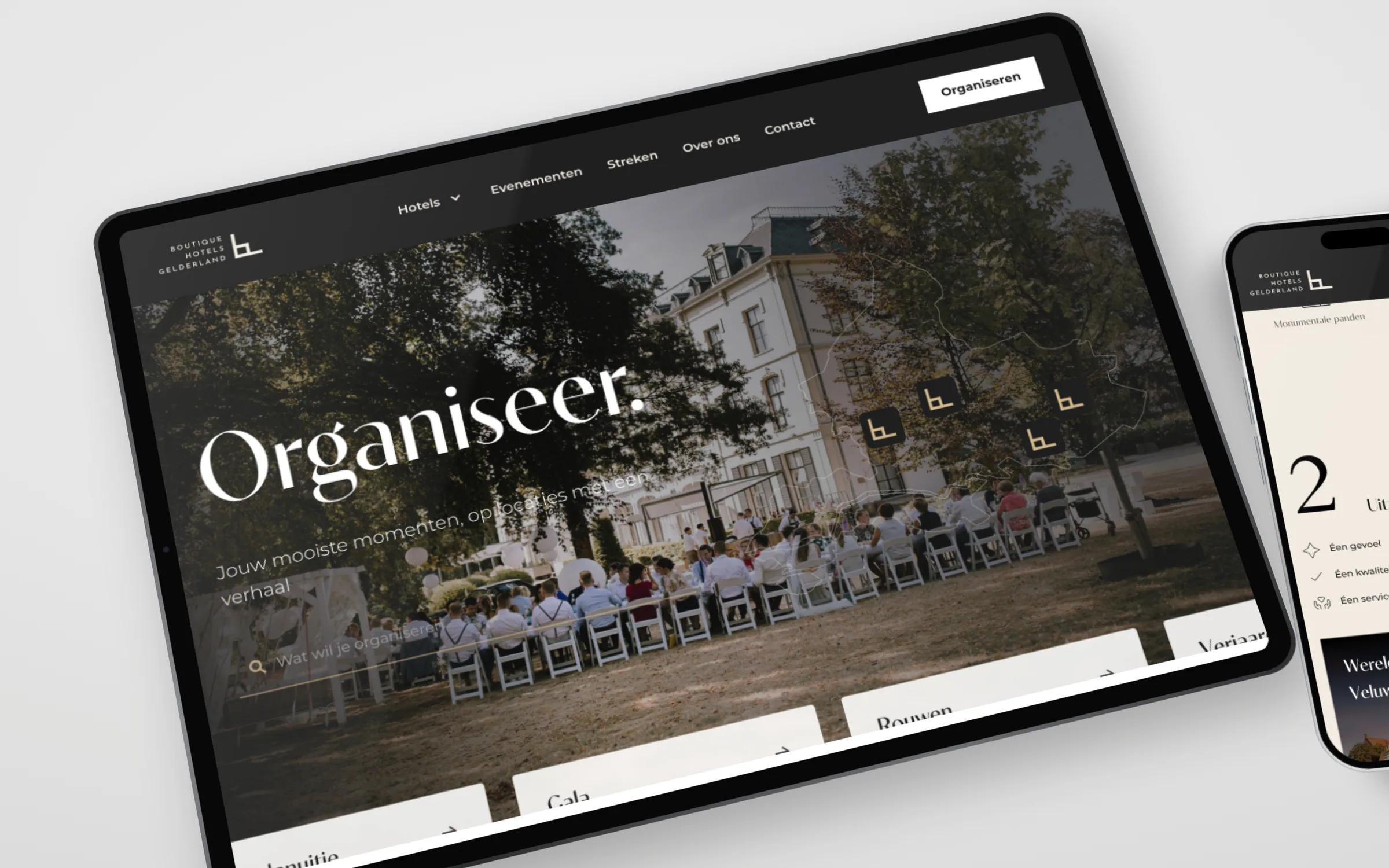
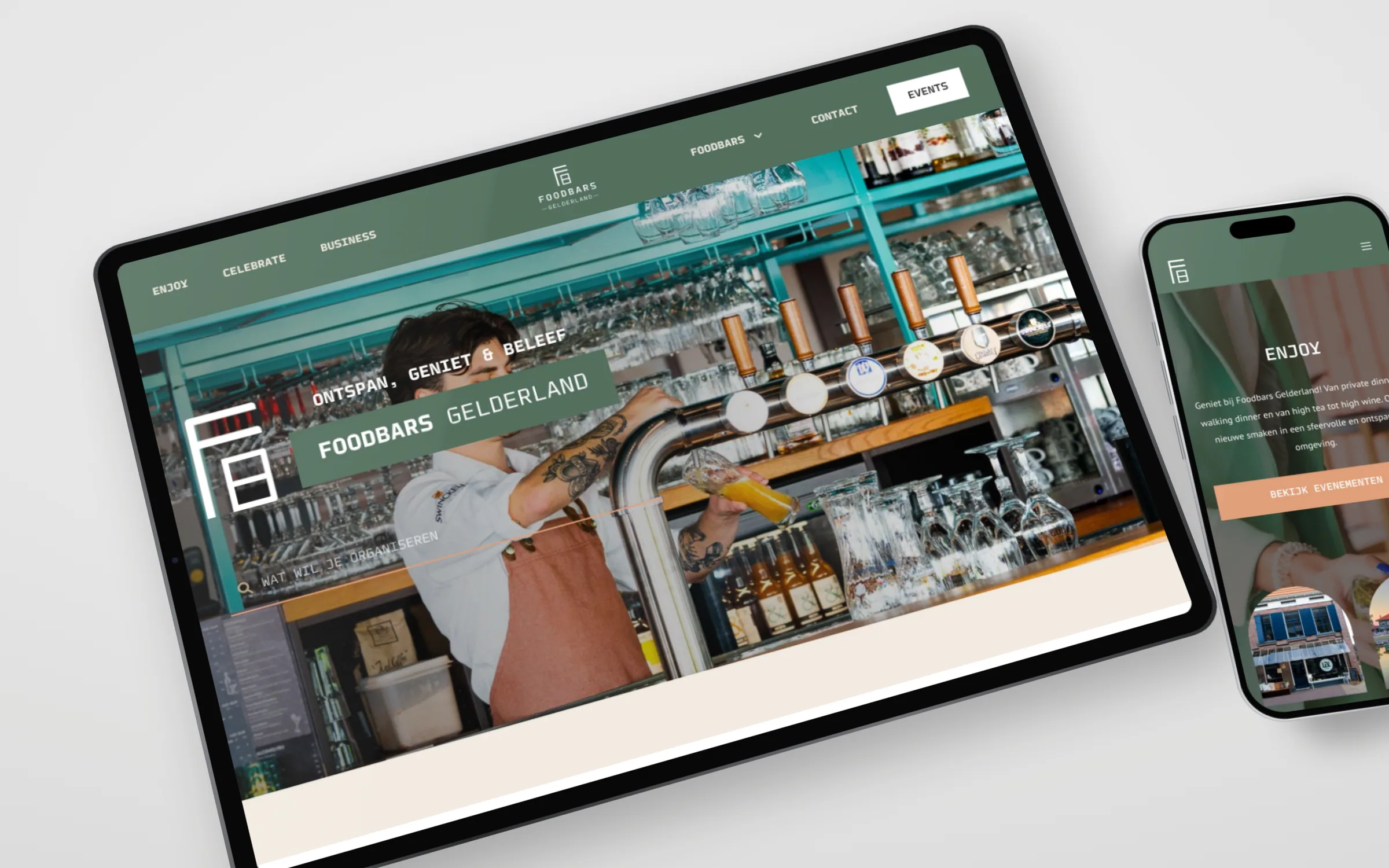
Relevant services
How we help
Popular applications
Frequently asked questions
Frequently asked
Can you integrate a booking system into my website?
Yes. We integrate a booking widget or connect to your existing reservation system or channel manager, so guests can book directly via your own website.
How do I get more direct bookings?
With a fast, convincing website, a simple booking process, attractive visuals and campaigns that lead guests to your own channel. Email marketing for returning guests helps even more.
Do you also shoot drone and mood videos of our location?
Yes. We handle drone footage, photography and short social videos that capture the atmosphere of your location, rooms and surroundings.
What is GEO and why does it matter for travel?
GEO (generative engine optimization) is about visibility in the answers of AI assistants such as ChatGPT, Gemini and Perplexity. Travellers increasingly ask these tools for tips and recommendations, so you want your accommodation or trip to be easy to find there.
For hotels, boutique hotels, B&Bs, hostels, guesthouses and holiday lodgings, from five rooms to a small hotel group. Everything for hotels & B&Bs
What makes a hotel website truly good?
Speed, atmosphere and a book button you never have to look for. Guests browse your rooms on their phones, often with a booking platform open in another tab. So give them large photos per room type, honest information about breakfast, parking and check-in, and local tips that show you know the area. A multilingual website and a booking flow without detours make the difference between 'lovely' and 'booked'.
How do I get guests to come back?
By staying in touch without being pushy. With a few smart email flows you send practical info and a tip for dinner nearby before arrival, a thank-you with a review request after departure, and later a seasonal offer for those who want to return. It all runs automatically, based on their booking. Guests who felt welcome would rather book directly with you next time. Provided they opted in, of course.
How do I sell packages and extras online?
By giving them their own place instead of hiding them under 'other'. A cycling package, a romantic weekend or a meeting package deserves its own landing page with photos, details and a direct booking option. Extras such as breakfast in bed or a late check-out are offered smartly during or after booking. Selling gift vouchers online is possible too. That way you earn more per guest, without it feeling pushy.
How do I deal with reviews on Google and booking platforms?
Respond to every review, personally and within a few days, including the critical ones. Future guests read your replies as closely as the review itself, and a calm, honest response says a lot about your hospitality. Ask satisfied guests for a review after their stay with a short, automated email. With local SEO we make sure your Google profile is complete, with current photos, facilities and a direct booking link. That way guests see right away that they can simply book with you too.
Which photos do I need for my hotel or B&B website?
For each room type, a few images that show what it really looks like: the bed, the bathroom, the view and a detail that sets the mood. Then breakfast, the shared spaces, the garden and the surroundings. Shoot in good daylight and ideally across several seasons, so you are not using summer photos in winter. We take care of the photography and, if it fits, a short mood video. Real images sell better than stock photos, and prevent disappointment on arrival.
How do I attract business guests and groups to my hotel?
Business guests and organisers look for different things than a couple on a weekend away: good wifi, a workspace, parking, meeting space and an invoice in the company's name. Give them their own route on your website with that information and an easy enquiry form for groups. A landing page per audience, such as meetings, team outings or staying over for a nearby event, works well on Google and LinkedIn. A digital brochure helps organisers who need to consult internally.
For campsites, holiday parks, glamping sites, group accommodation, small farm campsites and rental companies for holiday homes and chalets. Everything for holiday parks & campsites
How do I help guests choose the right pitch or accommodation?
With an interactive park map and good filters. Guests want to see where a pitch is in relation to the toilet block, the playground or the quiet edge of the woods. Each accommodation type needs photos, a floor plan and an honest description. Linked to your reservation system, availability shows right away. A short quiz helps those in doubt: kids or no kids, bringing the dog, luxury or basic? That way everyone books the spot that suits them.
How do I fill the shoulder seasons better?
By targeting people who like to travel precisely then: couples without school-age children, walkers, cyclists and groups of friends. Create packages that suit that time of year and tell the story with images of your park in spring or autumn. With Meta Ads you reach that audience in a targeted way, and by email you let previous guests know first. It is still a matter of testing what works, but with figures instead of gut feeling.
Is a digital guest guide or app useful for a holiday park?
Often, yes. During their stay, guests want to know quickly when the pool opens, what to do when it rains and whether tomorrow's bread rolls can already be ordered. A digital guest guide as a web app works without a download, in several languages, and is easy for your team to update. If you want to go further, with ordering, activity bookings or push notifications, an app is an option. We first look at what your guests actually use.
How do I reach guests from Germany and Belgium?
By speaking to them in their own language and in their own way. German and Belgian guests search with different words and have different questions than Dutch guests. A good multilingual website with translations tailored to each market, not just a translate button, is the basis. Then you can advertise per country in the periods when holidays are being planned there. Keep the school holidays per country and region in mind too, because they differ considerably.
How do I make sure returning guests book again next year?
Stay in touch at the moments that matter: a thank-you email after the stay, a heads-up when new prices go online and a reminder with their favourite pitch or chalet as a suggestion. With email flows this happens automatically, based on their previous booking. Returning guests appreciate getting first pick, and you fill your most popular spots early. Only for guests who opted in, of course.
What does a new website for a campsite or holiday park cost?
That mainly depends on the number of accommodation types, languages and integrations, such as with your reservation system or an interactive park map. A compact website is typically online in 4 to 6 weeks. With several languages, a park map and a guest guide it becomes a larger project, which we often build in phases: first the site and booking route, then the extras. You can see indicative prices in our configurator at letsgo.m7branding.com. Ideally plan well ahead of high season, so everything is ready when guests start booking.
For travel companies, tour operators, travel agencies, specialists in group, tailor-made and adventure travel, and business travel organisers. Everything for tour operators
How do you keep a travel website with a large offering easy to navigate?
With a structure that matches how travellers dream and search: by destination, type of trip, duration and budget. Good filters and a search that forgives typos help. Trip details, prices and departure dates can often come from your reservation system through an integration, so the site is always accurate. With technical SEO we make sure all those pages stay findable and do not compete with each other. Clarity for the traveller, peace of mind for your team.
Can customers put together a tailor-made trip online themselves?
Yes, up to a point. With a trip planner or configurator customers choose destinations, accommodation level, activities and duration, and see an initial price indication. The result is not a finished booking, but an enquiry with exactly the wishes your travel advisor needs. That saves a long email exchange and makes the first conversation more concrete. And travellers simply enjoy piecing together their dream trip.
How do I make my travel stories bring in new bookings?
By linking stories and offers together. A blog about the most beautiful route through the Dolomites only becomes truly valuable when it ends at your walking holiday there. Write from the questions travellers actually ask, such as the best time to go, what to pack or how to get there. Travel stories like that help on Google and are more likely to be cited by AI assistants. And they show you really know the destination.
How do I follow up with people who view a trip but do not book yet?
People rarely book a trip on their first visit. Those who download a brochure, save a trip or start an enquiry can be helped further over the following weeks with lead nurturing: inspiration about the destination, practical tips on the best time to travel and an example itinerary. Your travel advisor sees who comes back and calls when a conversation makes sense. What matters is that every email adds something, and that people can easily unsubscribe.
Can an AI chatbot help travellers on our website?
For many questions, yes. An AI assistant fed with your own travel information answers questions about destinations, trip length, what is included and practical matters, even in the evening when your office is closed. For bookings, tailor-made trips or anything uncertain, it refers people to your travel advisors, passing on the customer's question. For current matters such as travel advice and visas, it points to the official sources instead of answering itself. We test with real questions before it goes live.
How should a tour operator use video?
Show what a traveller will experience, not just how beautiful the view is. Short, vertical videos of a route, an accommodation or a moment with a local guide work on Instagram, TikTok and your trip pages. You do not have to go everywhere yourself: with good agreements with local partners and a clear brief, usable footage comes in, which we edit into a consistent series. Keep it honest, because a traveller who gets what they saw will book with you again.
For theme parks, zoos, museums, escape rooms, outdoor and activity providers, wellness centres and other days out. Everything for attractions & activities
How do I sell more tickets through my own website?
Make buying as easy as browsing. A visitor deciding on their phone to come tomorrow wants to pick a ticket or time slot and pay in a few taps. That calls for a fast site, clear prices and a ticket flow without detours, connected to your existing ticketing system if needed. With conversion optimisation we measure where people drop out and improve it step by step. Online sales also shorten the queue at the till.
What should a day attraction do with TikTok and Instagram?
Show how much fun it is, in a few seconds. Short videos of the experience work better than polished advertising: a scream on the rollercoaster, a clever puzzle in the escape room, a giraffe peeking round the corner. We make social video and help your team create content themselves. With TikTok Ads you boost reach around holidays and weekends. And feel free to share what visitors post themselves, with their permission.
How do I fill weekdays and off-peak hours?
With audiences who are free precisely then: schools, companies, clubs and seniors. Give school trips, company outings and group visits each their own page with a programme, a price indication and an easy enquiry form. A price calculator for groups prevents a lot of back-and-forth emailing. Combine that with targeted campaigns and a newsletter featuring off-peak rates or special evenings. That way you spread the crowds and make better use of your capacity.
How do I get found by families looking for a last-minute day out?
That decision is often made the same morning, on a phone, with searches like 'rainy day out with kids' or 'day out nearby'. Make sure your Google profile is complete with current opening hours, photos and a ticket link, and that your website loads quickly. Create pages that answer exactly those questions, such as indoor activities, ages and accessibility. With local SEO we build that up, so you stand a better chance of appearing in Google Maps and AI assistants too. A clear buy button does the rest.
Is an app or annual pass environment worthwhile for an attraction?
With many regular visitors, often yes. Annual pass holders want their pass on their phone, to reserve time slots and to be the first to hear what is new. A member environment or web app turns an annual pass into a kind of membership, with room for partner perks or special evenings. A full app in the stores is not always necessary: a web app works without a download and is quicker to build. We first look at what your visitors actually use, and connect to your ticketing system where possible.
How do I approach the launch of a new attraction or exhibition?
Start well in advance, with a name and visuals of its own that fit your park or museum. Build anticipation with a teaser, footage of construction or installation, and a landing page where people sign up for news or buy the first tickets. Around the opening you use social video, campaigns and press, and afterwards the first visitors show it off themselves. We help with naming, visuals and the campaign, so everything feels like one story.
For restaurants, cafés, beach clubs, party venues, caterers and meeting and event venues, from village restaurant to large event location. Everything for hospitality & events
Should my menu really not be a PDF any more?
Preferably not. A PDF is hard to read on a phone, loads slowly and is difficult for Google and AI assistants to understand. Put your menu on your website as plain text, with allergen information and perhaps photos of your signature dishes. Then you can update it yourself in a minute when the menu changes. Guests searching for 'vegetarian restaurant' or 'brunch nearby' will find you more easily. And your chef no longer has to wait for a new PDF.
How do I sell function rooms, parties and corporate events online?
With pages that give an organiser everything they need for a quote: rooms with capacity and layouts, possible packages, photos of past events and a price indication. A quote calculator lets visitors choose the number of guests, date and package themselves, so you receive a complete enquiry. A sharp digital brochure helps with corporate clients who need to consult internally. And email follow-up makes sure an enquiry does not go quiet.
How do people find my restaurant when they search for 'restaurant near me'?
Mainly through your Google Business Profile. Make sure opening hours, menu, photos and the booking link are correct, and respond to reviews, including the critical ones. Your website backs that up with clear information about your cuisine, atmosphere and location. With local SEO we build up both properly. Attractive, honest photos of dishes and the interior make a real difference, because people eat with their eyes. Especially at half past five with no dinner plans yet.
How do I get more reservations through my own website?
Make booking the easiest step on every page. A clear button at the top, a reservation module that works well on a phone and the information guests want upfront, such as the menu, allergens, parking and whether dogs are welcome. Connect the module to your existing reservation system, so you are not keeping track twice. With a short newsletter you invite guests who signed up for a new menu or a special evening. If you currently use platforms that charge per reservation, it also saves you commission.
What should a restaurant or event venue do with Instagram and TikTok?
Show what it feels like to be there. Short videos of a dish being plated, the bar on a Friday night or a room ready for a party work better than polished advertising. With social media marketing we set up a manageable rhythm, and on a content day we shoot material for weeks in one go. Reply to messages and share what guests post themselves, with their permission. For corporate events, LinkedIn often works better than Instagram.
How do I make my venue look as good online as it does in real life?
With real photos and a recognisable style. Guests often decide based on a few images on Google or Instagram, so good food and interior photography is not a luxury. Photograph your signature dishes, the interior in the light of your busiest moment and the team at work. Also make sure your logo, menu, facade sign and website create one atmosphere. That way guests recognise you online right away, and walking in for the first time already feels a little familiar.
Who we work for
From independents to market leaders
- Hotels
- Boutique hotels
- B&Bs
- Hostels
- Holiday parks
- Campsites
- Glamping sites
- Group accommodation
- Holiday home rental companies
- Travel companies
- Tour operators
- Travel agencies
- Theme parks
- Zoos and wildlife parks
- Museums
- Escape rooms
- Outdoor and activity companies
- Wellness centres
- Restaurants
- Beach clubs
- Party venues
- Meeting and event venues
- Caterers
- Marinas
Today may be the day to meet your strategic partner.




 Martijn, Noud and the rest of the team are ready for you.