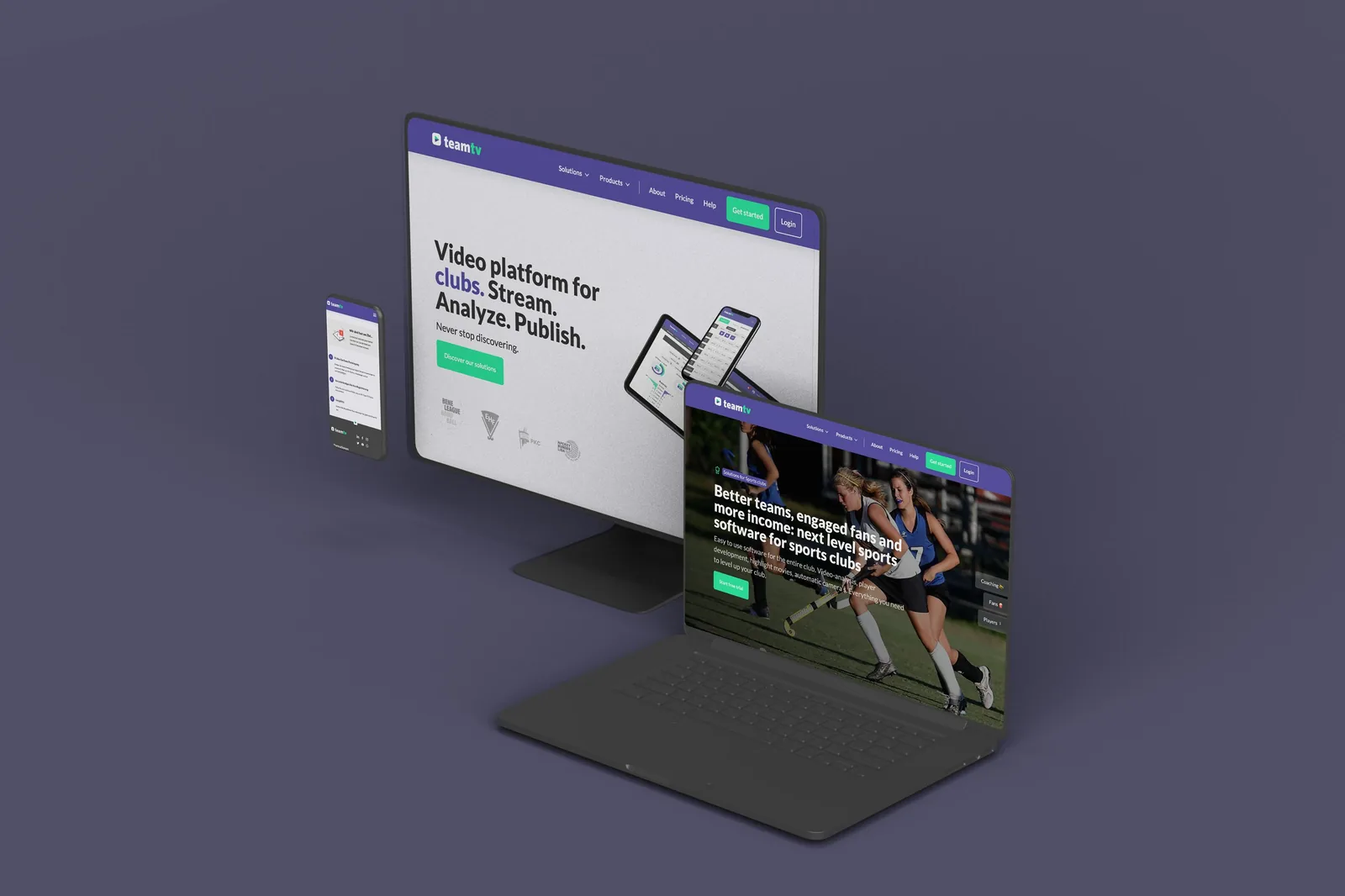
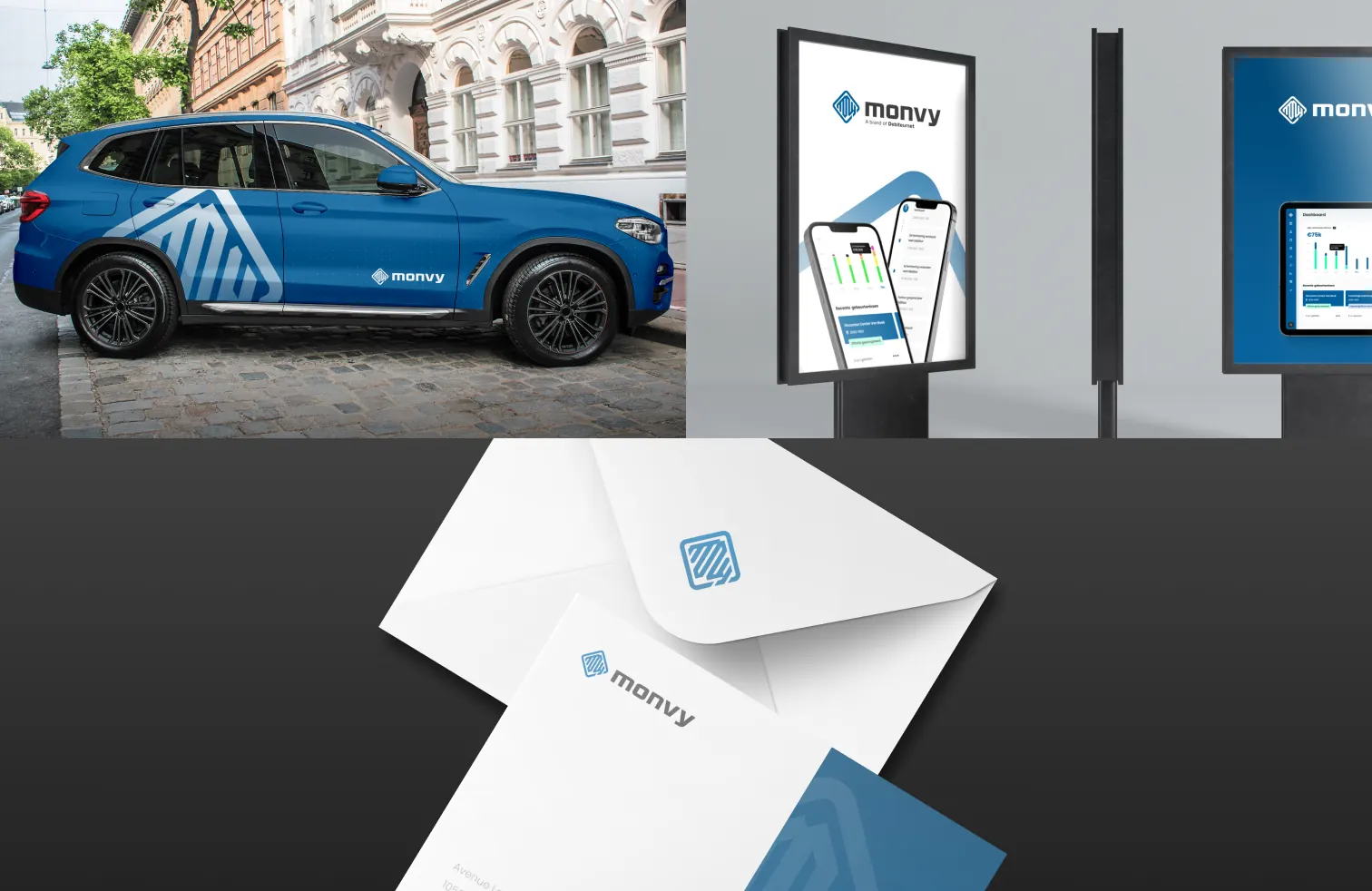









Financial advisors, insurers and fintechs: we build brands, platforms and tools that make complex financial matters clear and trustworthy.






















Trustisdesigned,onedetailatatime.
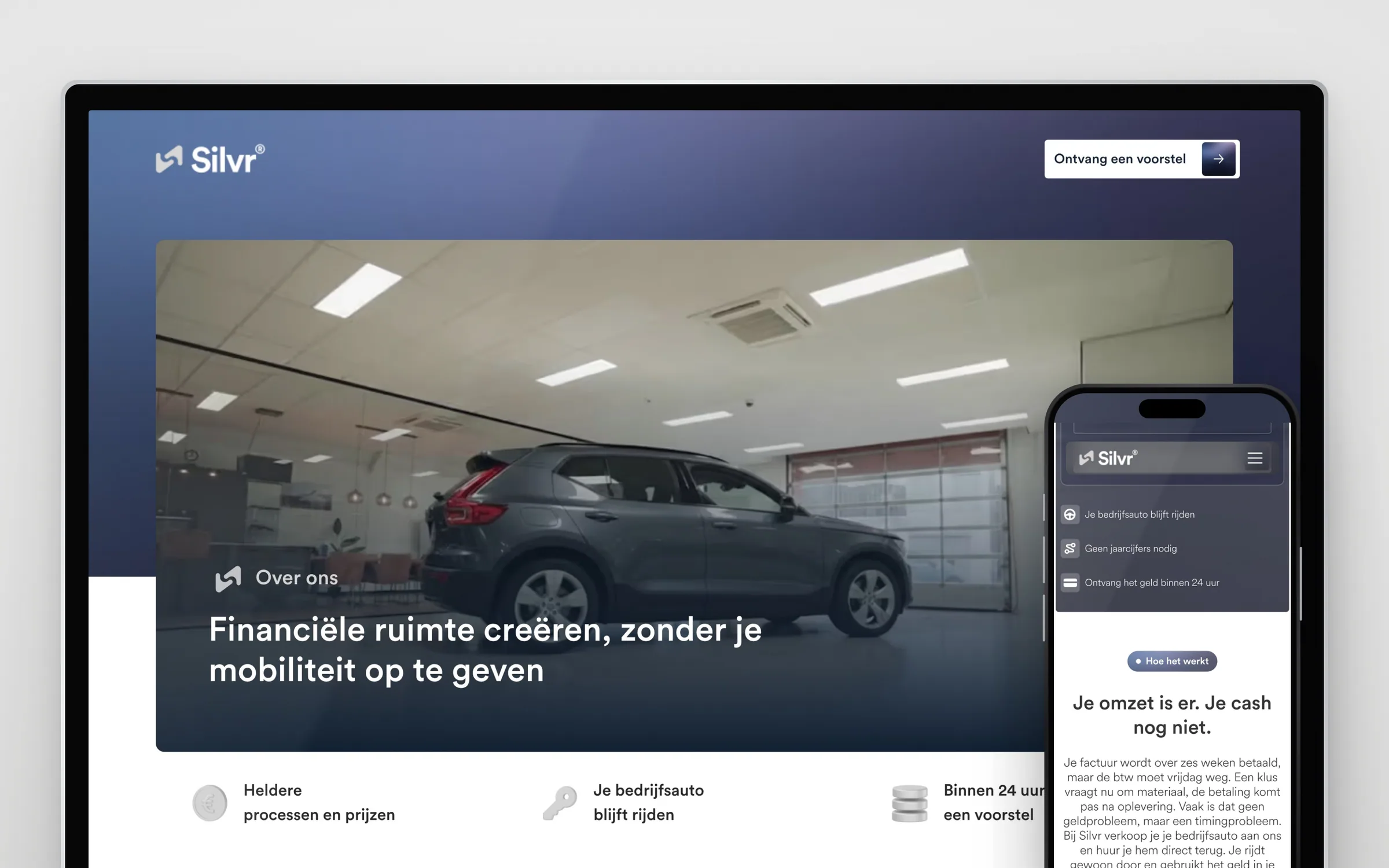
Money is a matter of trust. Whether you give financial advice, offer insurance or build a fintech platform: customers need to feel safe and understand what they are getting. M7 helps financial organisations with a brand that radiates reliability, and with interfaces that make complex information understandable.
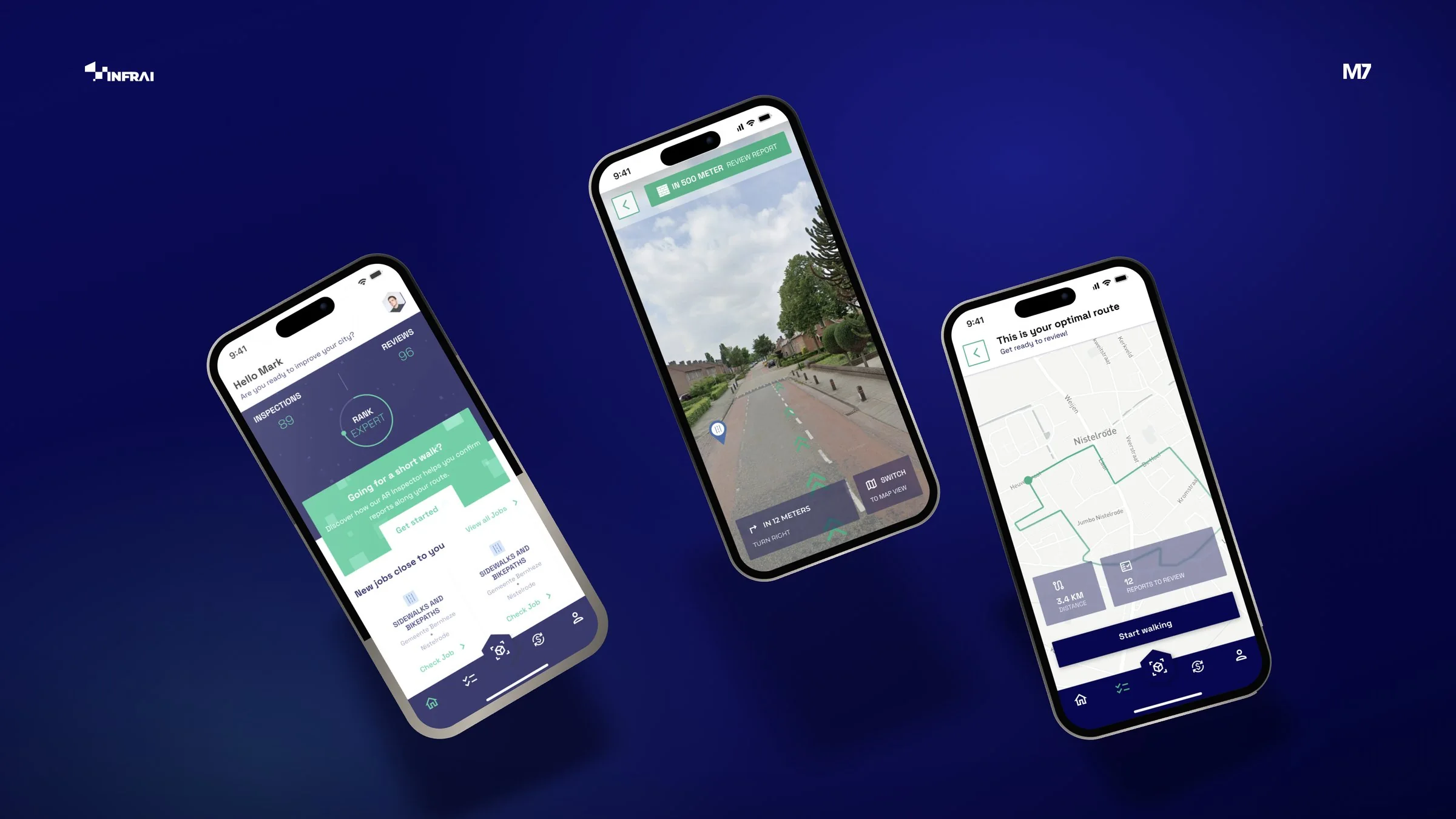
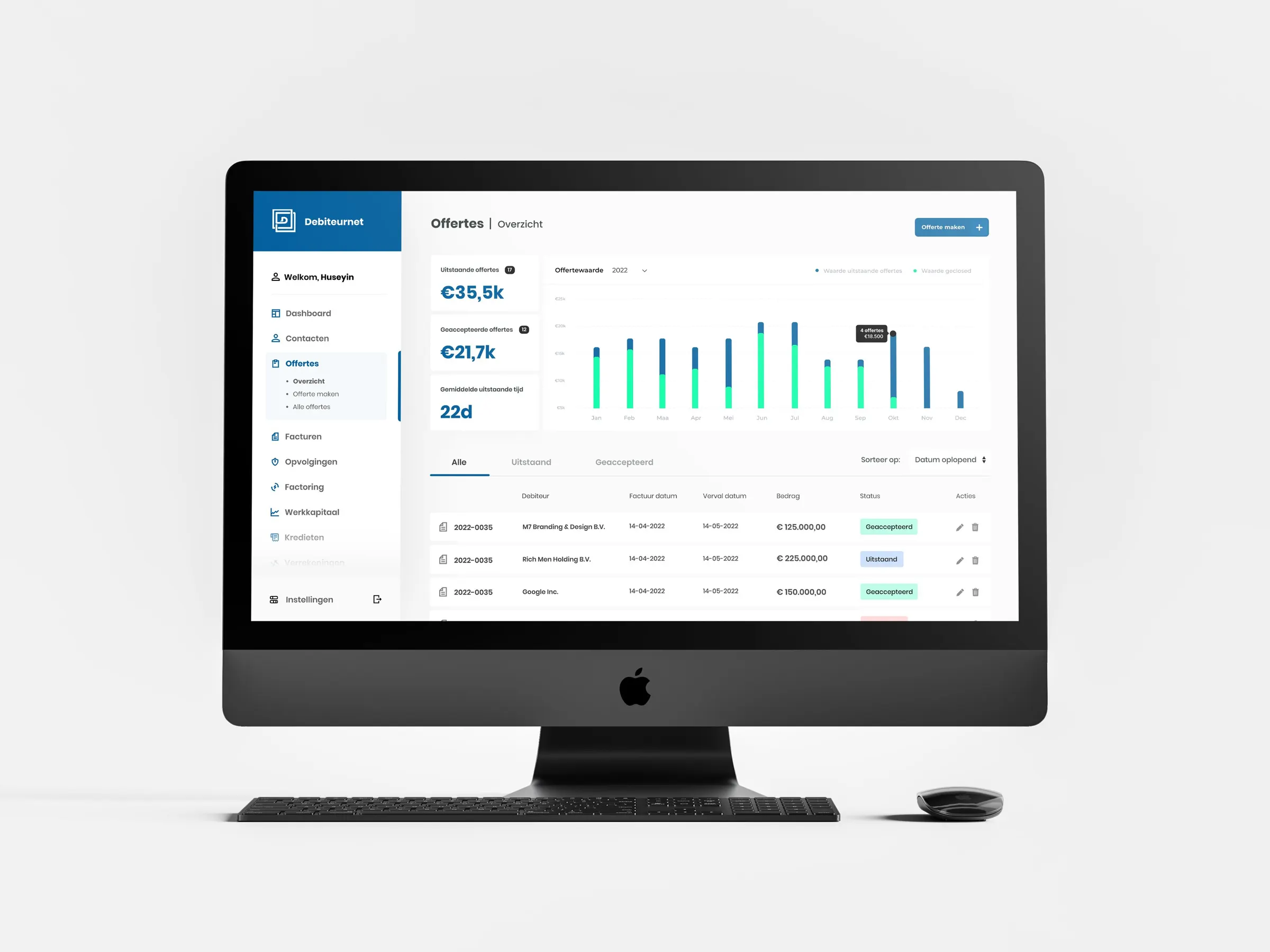
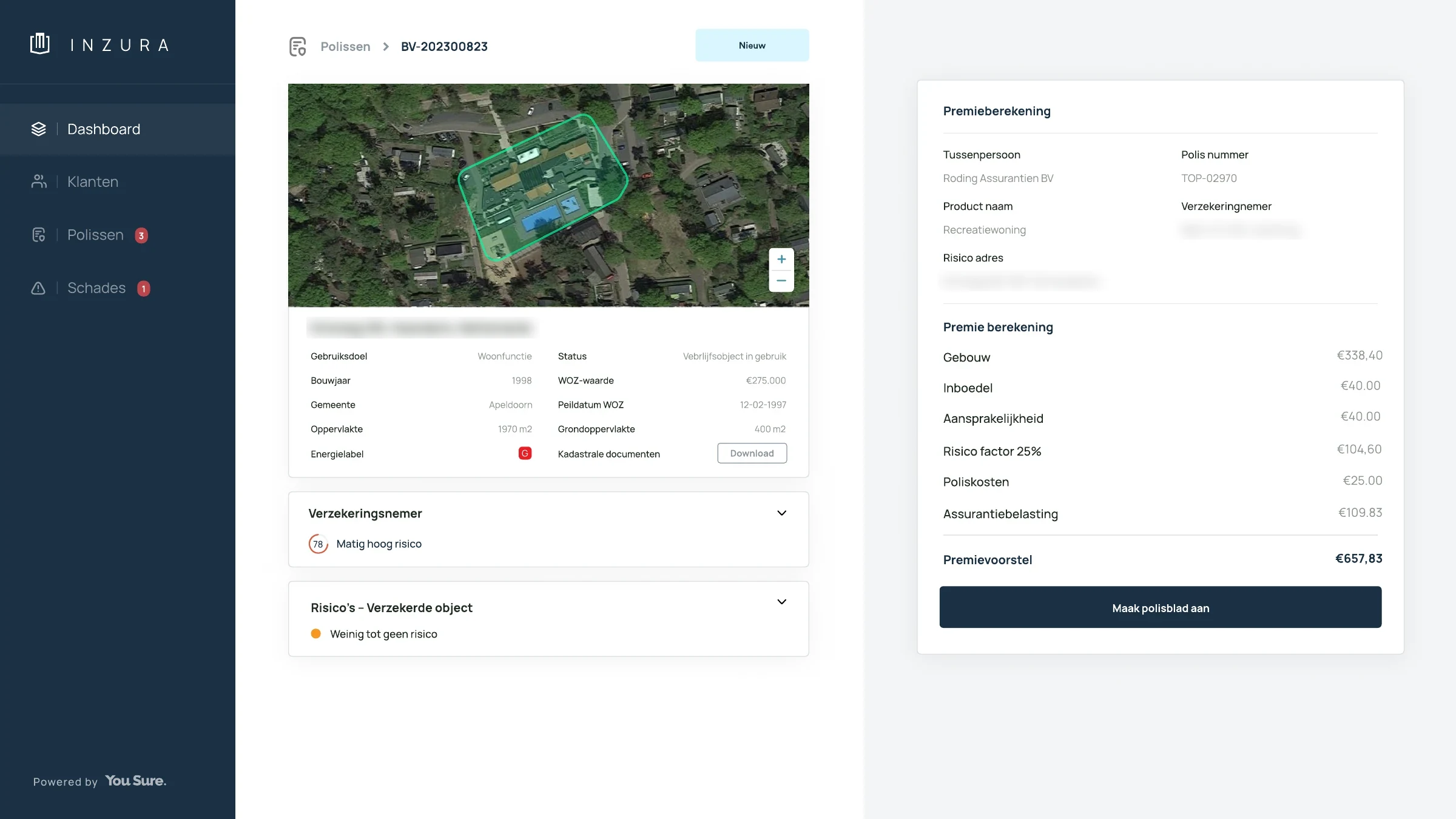
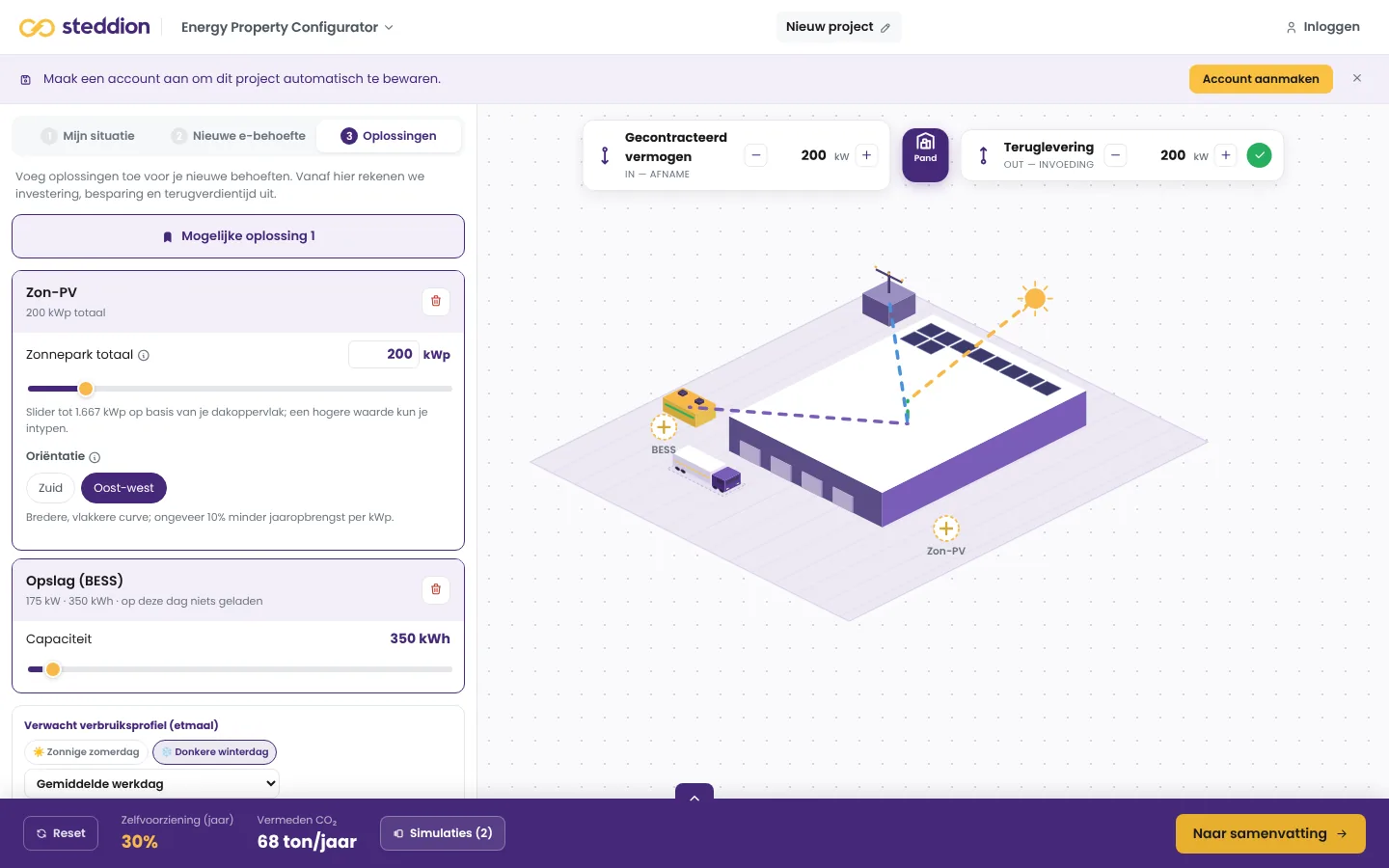
We design and build client portals, dashboards and SaaS platforms with attention to security and ease of use. With calculators and check tools you give visitors instant insight into their situation and receive better-qualified leads. And with API connections, infographics and AEO we make sure your information is consistent everywhere and easy to find, including in AI search engines.
Challenges in this sector
What we often see.
Winning trust
Customers do not hand over their money lightly. A professional brand, clear communication and well-considered UX create a trustworthy first impression.
Making complex information understandable
Interest rates, terms and scenarios are hard to follow. With calculators, infographics and dashboards you make financial information visual and concrete.
Secure digital environments
Financial data calls for strict security. We build portals and platforms with roles and permissions, logging and modern authentication.
Qualified leads
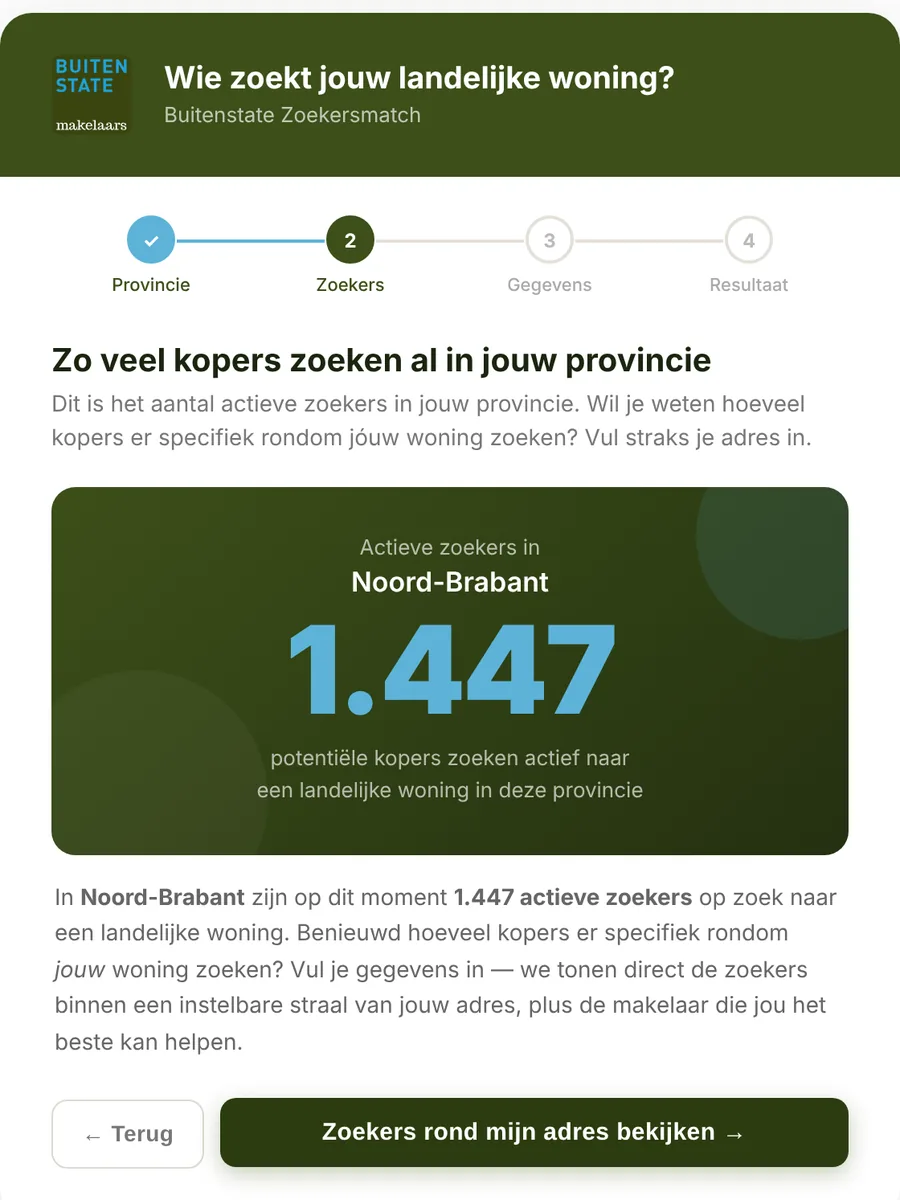
Not every enquiry is a good match. Check tools and calculators qualify visitors upfront, so your advisors spend their time on the right conversations.
Projects
Work we're proud of
Relevant services
How we help
Popular applications
Frequently asked questions
Frequently asked
Can you build a calculator for our website?
Yes. We build calculators and check tools, for example for loans, premiums, savings or financial scenarios, with a clear outcome and a direct option to submit a request or book an appointment.
How do you secure financial platforms?
We work with secure connections, modern authentication such as two-factor authentication, roles and permissions, logging and reliable hosting. Where needed we coordinate with your security or compliance team.
Do you also work with fintech startups?
Definitely. We help fintechs with naming, branding, UX/UI design and developing an MVP or platform, so your product radiates trust from launch.
What does the European Accessibility Act mean for financial service providers?
Since June 2025 European accessibility requirements apply to, among others, consumer banking services. Even if you are not directly covered, an accessible website is a smart choice. We design and build with WCAG guidelines as a starting point; for the legal assessment, consult your own advisor.
For mortgage advisors, financial planners, pension advisors and independent advisory practices, whether independent or part of a franchise. Everything for financial advice
How do I get more enquiries through my website as a mortgage advisor?
By showing per situation that you understand the question. A first-time buyer, someone going through a divorce, a self-employed person with variable income or a fifty-something looking to remortgage: each has their own questions and deserves their own page. Add a clear explanation, an indicative calculator and an easy way to book an introductory meeting. Local visibility for 'mortgage advisor' plus your town finishes it off.
What should you watch out for with a calculator on an advisor's website?
A calculator gives an indication, not advice, and visitors should experience it that way. We make clear which assumptions are built in, keep calculation rules and rates easy to update and never present the outcome as a promise. We align the copy with your compliance arrangements. A good tool ends with a logical next step: a conversation with you. That way you get visitors who have already thought about their situation, which makes the first meeting a lot easier.
How do I stand out from national chains and franchise brands?
Not by acting bigger than you are, but by showing who you are. Clients choose an advisor they trust, and that starts with a face, a voice and a recognisable style. With your own tone of voice and real photos of you and your team, your website feels personal. Local stories, videos where you explain a tricky question and reviews from real clients do the rest. Being small can actually be your strength.
How do I receive documents from clients securely?
Not via WhatsApp or an ordinary inbox. In a secure client environment clients upload payslips, property valuations and ID, with a checklist showing what is still missing. Often that can be done through your advisory software's module, which we fit neatly into your website, or through a custom portal if you want more. Make sure there is two-factor authentication, clear retention periods and an accurate privacy statement. That way you work GDPR-aware, and you do not have to ask for the same payslip three times.
Does video work for a financial advisor?
Often better than you think. Clients choose an advisor they trust, and in a video they immediately see how you speak and explain. Start with the questions you get every week, such as what a divorce means for your mortgage or how pensions work for business owners, and explain them calmly in two minutes, without selling. On a content day we record a series of short videos in one go for your website, YouTube and LinkedIn. Do keep the rules for financial communication in mind.
How long before my website brings in more enquiries?
That depends on where you start. A calculator or a better booking button can make a difference fairly quickly, because existing visitors find it easier to get in touch. For visibility through new content and local SEO you should usually expect three to six months before you see clear growth, and sometimes longer in a competitive market like mortgages. If you want to be visible sooner, Google Ads can bridge the gap. We measure what comes in from the start, so you can see what works.
For insurers, managing general agents, insurance brokers and specialist intermediaries, for personal and commercial insurance. Everything for insurance
How do you make insurance understandable online?
By starting with the customer's situation, not the policy conditions. What happens if your bike is stolen, your van breaks down or you become unable to work? Explain cover and exclusions in plain language, with examples. Infographics and comparison tables show the differences between packages at a glance. And a short product finder helps people who do not know which insurance they need.
Can customers calculate a premium online and apply straight away?
Yes, as long as the rating rules are clear. We build a premium calculation that reaches an indication in a few steps, followed by an application form that already holds the details. For more complex commercial risks the route leads to an advisor rather than a direct sale. The application can flow into your policy administration or CRM, depending on what that system allows. The customer stays in one flow and your back office does not have to retype anything.
How do we stay in touch with customers without it becoming spam?
By only emailing when it adds something. Insurance has natural moments: a house move, a new car, a growing family, starting a business or the annual renewal. With marketing automation you send a relevant tip or check at those moments, instead of the same newsletter to everyone. Customers appreciate that, and you spot sooner when someone is underinsured or missing cover.
Can customers view their policies, make changes and report claims themselves?
Yes, in their own customer environment. Customers see their policies and terms, report a house move or a new registration number themselves and file claims with photos, even in the evening on their phone. How far that goes depends on the integrations your policy administration system offers. Sometimes a full integration makes sense, sometimes a good form that lands neatly in your system is already a big step. Your back office then has more time for customers who really need advice.
How do I show as an insurance broker that I do more than a comparison site?
By showing what a comparison site does not do: think along, check whether someone is double-insured or underinsured, and help when things go wrong. Tell that with real, anonymised examples of claims where your advice made the difference. A clear tone of voice and real photos of your team make your office recognisable. Be clear about how you are paid too, because openness builds trust. Being found locally for 'insurance advisor' plus your town finishes it off.
How do I reach business owners for commercial insurance?
Business owners only think about insurance when something concrete happens: a first employee, a new van, a bigger contract or a claim at a fellow business. Write content around those moments and make sure it is found on Google and in AI assistants. With LinkedIn Ads you reach business owners, directors and HR managers by industry and region. A short check that shows which risks someone may be missing makes the step to a conversation small. That way you become the specialist they call at renewal time.
For fintech startups and scale-ups, payment and lending platforms, investing and savings apps, insurtech, regtech and makers of financial software. Everything for fintech
How do you design onboarding that feels secure and is quick?
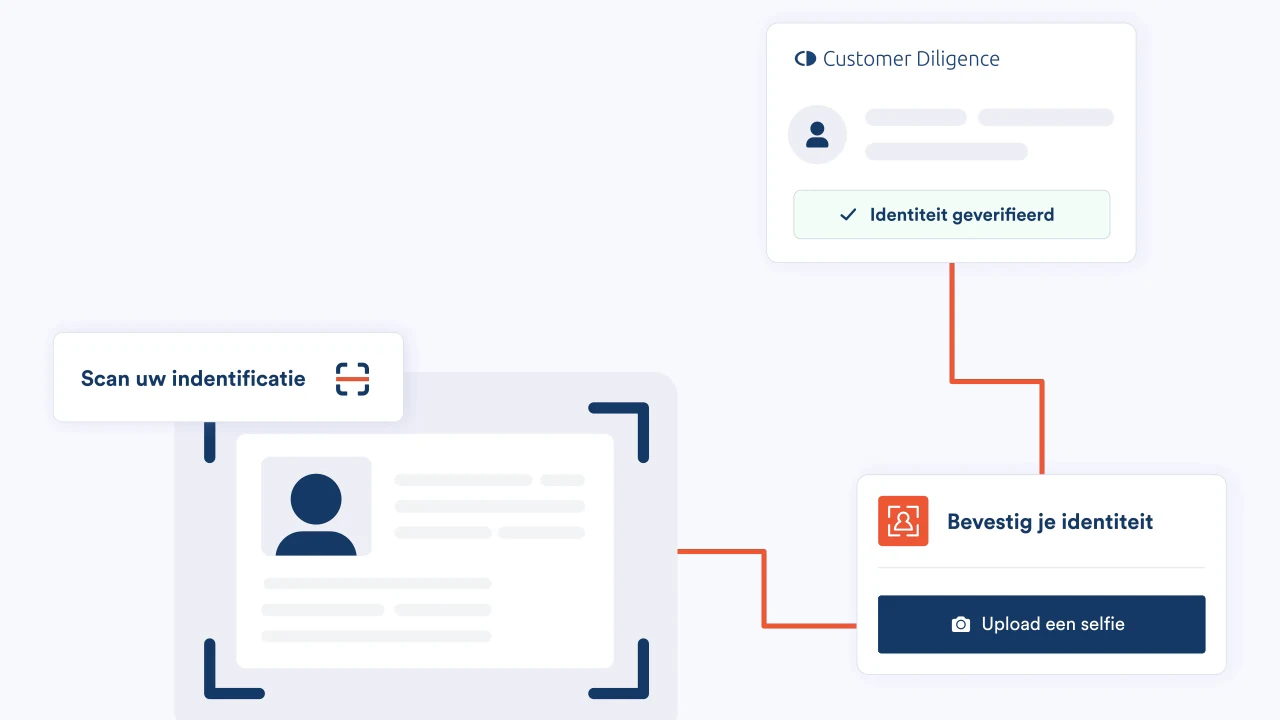
By explaining why you ask for something. Identification and customer due diligence are mandatory for many financial services, but users drop out if they do not understand why they have to scan their passport. Good UX shows how many steps are left, saves progress and gives clear error messages. Identity verification can be built in through a specialist provider. We test the flow with real users, because every unnecessary step costs sign-ups.
What brand and materials do you need for an investment round?
Less than you might think, but it has to add up. A clear story about the problem, your solution and why your team is the one to build it. A pitch deck that tells that story in a handful of slides, a website that looks professional and a product demo or clickable prototype. A well-developed brand helps, because investors see a lot of decks. But in the end the substance convinces, and that is where we start too.
How does a fintech become findable in Google and AI assistants?
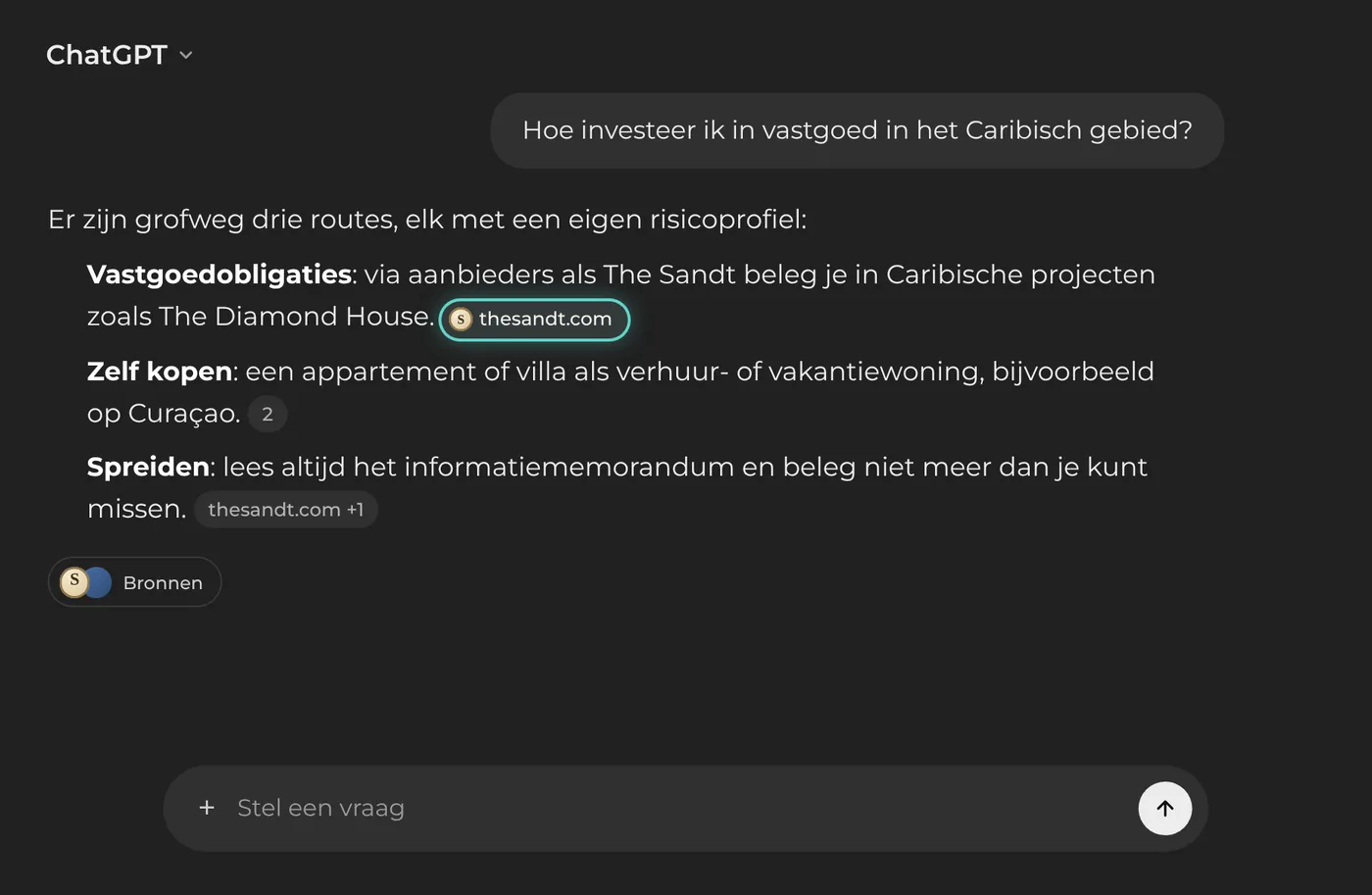
By answering the questions your audience asks before choosing a product. How does a payment request work, what does a business account cost, what is the difference between saving and investing? Clear, factual answers with structured data are better understood by Google and more likely to be used by AI assistants. With AEO we tailor that content specifically for them. We do not guarantee positions, but we do give you an approach you can measure.
How do I make sure users become active after signing up?
By measuring where they get stuck and helping exactly there. Many users do not complete their account, do not link their bank account or never make a first transaction. With marketing automation you send a short email or push notification based on behaviour, with the missing step, instead of a general newsletter. Combine that with tracking per step, so you can see which improvement has an effect. Small changes to the flow often do more than a new campaign.
Can an AI chatbot answer customer questions for a financial service?
For general questions, often yes: how does a feature work, what does a subscription cost, where do I find my annual statement? An AI assistant fed with your own help centre answers those questions outside office hours too. For anything about a specific account, transaction or advice, it refers people to a colleague. We define upfront which topics it does and does not handle, test with real questions and keep track of what it answers. That keeps it within the rules and your own compliance arrangements.
How do I choose a name and brand for a new fintech?
Start with what you promise and to whom, and only then think about the name. A good name is short, pronounceable in your key markets and still available as a domain and trademark. Always have that last part checked, because renaming after launch is costly. With naming and a visual identity that looks professional and approachable, you build trust without the clichés of the big banks. Think early about how the brand works in your app too, because that is where users see it most.
For wealth managers, private banks, family offices, investment funds and investment advisors, serving private and institutional investors. Everything for wealth management
How do you position a wealth manager without promising returns?
By showing how you work, not what it will deliver. Your investment philosophy, the people behind the portfolios, how you report and how you handle risk: that is what clients choose a wealth manager on. With well-considered positioning and a calm, confident look you build trust without exaggerated claims. We only present past returns in the way the rules require, with the disclaimers your compliance team supplies.
Can clients view their portfolio in their own environment?
Yes. In a secure client portal clients see their portfolio, reports and documents, with two-factor authentication and clear permissions. Data can come through an integration from your portfolio system or the custodian, depending on what they offer. With clear dashboards you make allocation, returns and costs understandable, even for clients who do not think about investing every day. That saves your relationship managers questions and makes your service visible.
What does a good factsheet or quarterly report look like?
Calm, consistent and quick to scan. Investors want to see how things stand in half a minute, and only then the details. We design a fixed structure with clear charts, a short explanation in plain language and room for the mandatory information. As a template, so your team only has to fill in the figures each quarter. Where possible, charts are filled automatically from your data. The result works as a PDF, in print and on your website.
How do I keep wealthy clients informed without it becoming a sales leaflet?
With substance, in a fixed rhythm. A short quarterly market view, an explanation of a notable development and the occasional personal message from the relationship manager do more than a glossy newsletter. With email marketing you tailor the content to the type of client, so a business owner reads something different from a foundation or family office. Keep the tone calm and factual, with your compliance team's disclaimers in the right place. Measure what gets read, and drop what nobody opens.
How do I get found by business owners selling their company or passing on their wealth?
That group rarely searches for 'wealth manager', but they do search for their situation: what to do after selling a business, how to pass wealth on to the next generation or what a family office does. Answer those questions clearly on your own site, without promising advice you cannot give online. With GEO we structure that content so AI assistants can use it well. Targeted LinkedIn content also reaches business owners at the stage when they are thinking about the future.
What does a client portal for wealth management cost and how long does it take?
That mainly depends on the integrations. If you pull data from your portfolio system or the custodian, what they offer determines a large part of the work. A compact portal with login, documents and an overview is typically live in 6 to 12 weeks. More extensive dashboards and reports are built in phases afterwards. After a scoping session you receive a realistic planning and a tailored proposal, with security and two-factor authentication from the first version.
For lenders, leasing companies, crowdfunding platforms, factoring companies and SME financing advisors. Everything for lending & financing
How do you put a financing application online without people dropping out?
By breaking it into manageable steps. First a few simple questions that show right away whether financing is likely, and only then the figures and documents. Let applicants save their progress and continue later, because nobody has their annual accounts to hand right away. In a portal they upload documents and see the status of their application. You keep the overview and your team does not have to chase missing paperwork by phone.
Can the application go straight into our credit or CRM system?
Usually, yes. Through API integrations or automation we pass applications, documents and status updates to your CRM or credit environment. How far that goes depends on what your systems allow. Sometimes a full integration makes sense, sometimes an automatic notification with a neat summary is already a big step forward. We build it with attention to security and logging, so you can always trace who did what.
How do I reach entrepreneurs looking for financing?
Entrepreneurs often search for their problem: 'financing a machine', 'working capital for growth' or 'lease or buy a van'. Content that answers those questions honestly, including when your product is not a fit, builds trust and findability. With Google Ads you are visible when the need is urgent, and on LinkedIn you reach entrepreneurs and finance managers who plan further ahead. A check tool that gives an initial indication makes the step to applying smaller.
Can AI help assess financing applications?
As preparation, yes. An AI agent can check whether a file is complete, extract the key figures from annual accounts and bank statements and prepare a summary. That saves your credit analysts a lot of digging. The assessment itself and the decision stay with people, which is also what regulators and customers expect. We set it up so sensitive data stays secure and it is always traceable where a figure came from.
How do I explain different types of financing clearly?
Start with the business owner's question, not with your product names. Do they want to buy a machine, bridge a season or get paid faster by their customers? Explain per situation which options exist, roughly what they involve and when they do or do not fit. An infographic of the application process and a short comparison per type make it clear. Be honest about conditions and costs in general terms, and refer to a conversation for the details.
How do I stand out from the bank as an alternative lender?
By showing where you are different: speed, flexibility, knowledge of an industry or personal contact. Make that concrete, with the process as it actually works and examples of situations where you were able to help, without client names or figures you may not share. Clear positioning and a tone without banking jargon help business owners place you. Accountants and financing advisors are often your best source of applications, so give them their own route on your website.
Who we work for
From independents to market leaders
- Mortgage advisors
- Financial planners
- Pension advisors
- Insurance advisors
- Insurance brokers
- Insurers
- Managing general agents
- Banks
- Private banks
- Wealth managers
- Family offices
- Investment funds
- Fintech startups
- Payment platforms
- Lenders
- Leasing companies
- Crowdfunding platforms
- Factoring companies
- Insurtech companies
- Regtech companies
- Financial software vendors
- Debt collection and credit management agencies
Today may be the day to meet your strategic partner.




 Martijn, Noud and the rest of the team are ready for you.